

There is something genuinely giddy-making about cresting a hill in June and finding the whole slope in front of you absolutely ablaze with colour. Purple orchids, butter-yellow cowslips, the shocking pink of ragged robin catching the morning light. I’ve had a few of those moments over the years, and they never get old. If you’re planning your summer outdoors time and want something that goes beyond a standard country walk, wildflower meadows uk summer walks are, I’d argue, one of the great underrated pleasures this country has to offer. We have some of the finest chalk downland, ancient hay meadows, and coastal clifftops in Europe, and for a few glorious weeks each year they put on a show that’s genuinely world-class.
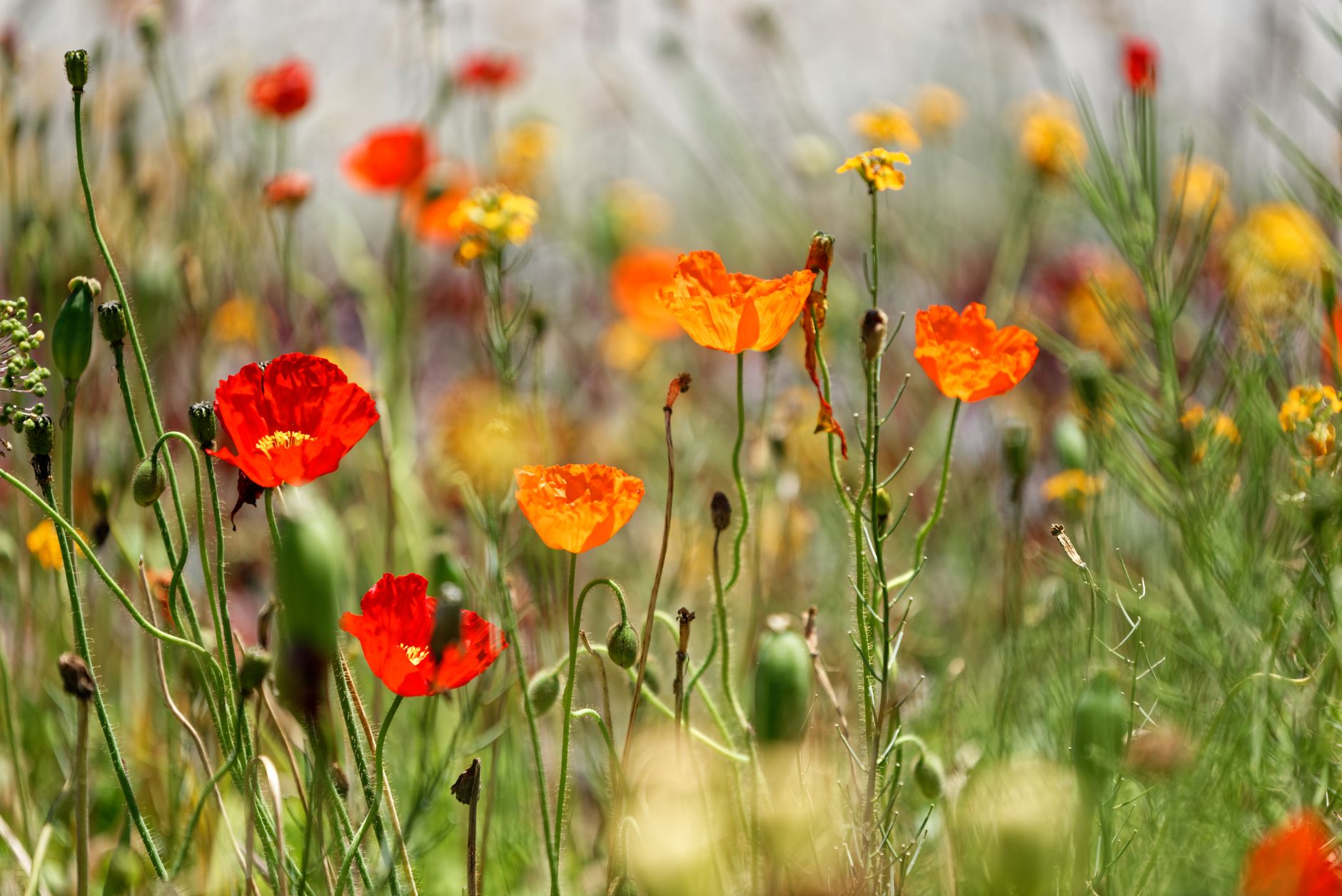
Why UK wildflower meadows are so special right now
Britain has lost around 97% of its traditional wildflower meadows since the 1930s, according to The Wildlife Trusts. That sounds devastating, and it is, but it also means the surviving sites are extraordinary concentrations of botanical richness. Peak bloom across most of England runs from late May through to mid-July, with Scotland and upland areas flowering a fortnight or so later. Get the timing right and you’re walking into something close to magic.
The good news is that rewilding projects and agri-environment schemes have been quietly bringing meadows back, and several nature reserves now have more wildflowers than they’ve seen in decades. If you’re the sort of person who enjoys planning a summer day out around something genuinely special, read on.
Chalk downland: orchids and butterflies by the thousand
The chalk downs of southern England are ground zero for wildflower walks in summer. The thin, nutrient-poor soil that makes farming the downs so difficult is exactly what allows species like common spotted orchid, pyramidal orchid, and the extraordinary bee orchid to thrive. Head to Noar Hill in Hampshire in June and you can find over 2,000 bee orchids in a single field. Two thousand. I counted about thirty once and felt triumphant, so that number still astonishes me.
Box Hill in Surrey (National Trust, free car park nearby) is another brilliant chalk downland spot, carpeted with wild thyme, kidney vetch, and horseshoe vetch that feeds the chalkhill blue butterfly. The views across the North Downs are spectacular, and you can pair the walk with a picnic on the slopes. Speaking of which, if you want to make a proper occasion of your day out, our guide to the best local artisan food for an outdoor feast has some genuinely lovely ideas for stocking your hamper beforehand.
The South Downs National Park is simply enormous as a wildflower destination. Kingley Vale near Chichester has ancient yew woodland surrounded by chalk grassland thick with orchids and scabious. Park at the West Stoke car park and allow a good three hours.
Ancient hay meadows: stepping back in time
If chalk downland is the glamorous cousin, ancient hay meadows are the quietly magnificent ones. Muker Meadows in Swaledale, North Yorkshire, is probably the most photographed hay meadow in England, and with good reason. In late June, the fields around the village turn into a dense mosaic of wood cranesbill, yellow rattle, and melancholy thistle, with dry-stone walls running through it all. The village itself is lovely and there’s a good tea room. Go on a weekday morning if you can, because weekends get busy from July onwards.
Cricklade North Meadow in Wiltshire is a National Nature Reserve and, in April and May, holds the largest population of snake’s head fritillaries in the UK. By June it transitions into a lush hay meadow full of meadow buttercup, great burnet, and green-winged orchid. Entry is free and the meadow is managed by Natural England, so the habitat quality is superb.
Up in Scotland, Insh Marshes RSPB Reserve in the Cairngorms is a different kind of wildflower experience entirely. The floodplain meadows there bloom later (think July into August) with marsh marigold, ragged robin, and globeflower, and the birdlife alongside is extraordinary. It’s genuinely remote, so plan accommodation in Kingussie or Newtonmore.
Coastal clifftops: sea pinks and salt air
There’s a particular sensory hit to wildflower walks on clifftops. The wind, the distant crash of waves, the sharp smell of the sea, and then suddenly you look down and the whole cliff edge is fringed with thrift (sea pinks), sea campion, and spring squill. It’s the kind of scene you want to photograph every thirty seconds.
The Lizard Peninsula in Cornwall is the standout for coastal wildflowers. The Lizard is the most southerly point of mainland Britain, and the unique serpentinite rock creates conditions found almost nowhere else, supporting rarities like Cornish heath and hairy greenweed. The cliff path from Kynance Cove towards Lizard Point is brilliant in June. While you’re in that part of the world, the prettiest coastal villages in Wales piece might inspire an extension to your trip across the water.
Flamborough Head in East Yorkshire is another coastal wildflower gem. The chalk cliffs support a rich flora of wild carrot, kidney vetch, and rock rose, and the seabird colonies nesting in the cliffs add an extra dimension to any visit. The RSPB has a visitor point at Bempton Cliffs nearby, and the combination of flowers and thousands of gannets is genuinely unforgettable.
For something a bit different, Great Orme in North Wales is a limestone headland above Llandudno with wild cotoneaster (found nowhere else in the world) and kashmiri goats wandering through the flowers. The best UK orchards to visit this summer is a good companion read if you’re planning a longer Welsh trip, as there are some brilliant spots in that part of the world.
Practical tips for planning your wildflower walk
Timing is everything. Most chalk downland orchids peak between late May and late June. Hay meadows are typically at their best in June and early July before the first cut. Coastal clifftop flowers tend to bloom from April through June. Always check recent sightings on iNaturalist or the local Wildlife Trust website before making a long journey, especially if the season has been unusual.
Wear layers. Even in summer, a clifftop or high downland walk can turn breezy fast, and the best wildflower light is usually in the early morning or late afternoon when temperatures drop. Bring a field guide if you’re keen to identify species. The Collins Wildflower Guide is the one I’ve used for years and it’s excellent. Most nature reserves have free parking though some charge a small fee, so carry a few pounds just in case.
Stick to paths. This feels obvious, but wildflower meadows are delicate, and compaction from foot traffic can damage root systems. Where a meadow has a marked path, use it. The flowers are far better viewed from the edge anyway, where they tumble over into proper display. And do check if the site requires any permit or booking before you turn up, particularly for the smaller National Nature Reserves, as some operate seasonal access controls.
If you find yourself wanting to extend a wildflower walk into a full weekend away, some of these spots sit near brilliant boutique accommodation. Our round-up of the UK’s most dramatic coastal hideaways has some genuinely spectacular options near both the Cornish and Yorkshire coasts. A clifftop cottage with wildflowers outside the window sounds like a very good summer to me.
The meadows are waiting. Go find them.
Leave a Reply