Category: Garden

  • The UK’s Most Beautiful Walled Gardens to Wander Around This Summer

    The UK’s Most Beautiful Walled Gardens to Wander Around This Summer

    There is something quietly extraordinary about stepping through a door in an old stone wall and suddenly finding yourself inside a world of roses, sweet peas, and buzzing bees, the noise of everything else left completely behind. I’ve been lucky enough to visit a fair few of Britain’s finest walled gardens over the years, and every single time, I get that same little rush of joy. If you haven’t made a walled garden pilgrimage yet this summer, I’d genuinely put it near the top of your list. These are the kinds of places that slow you right down, in the very best way.
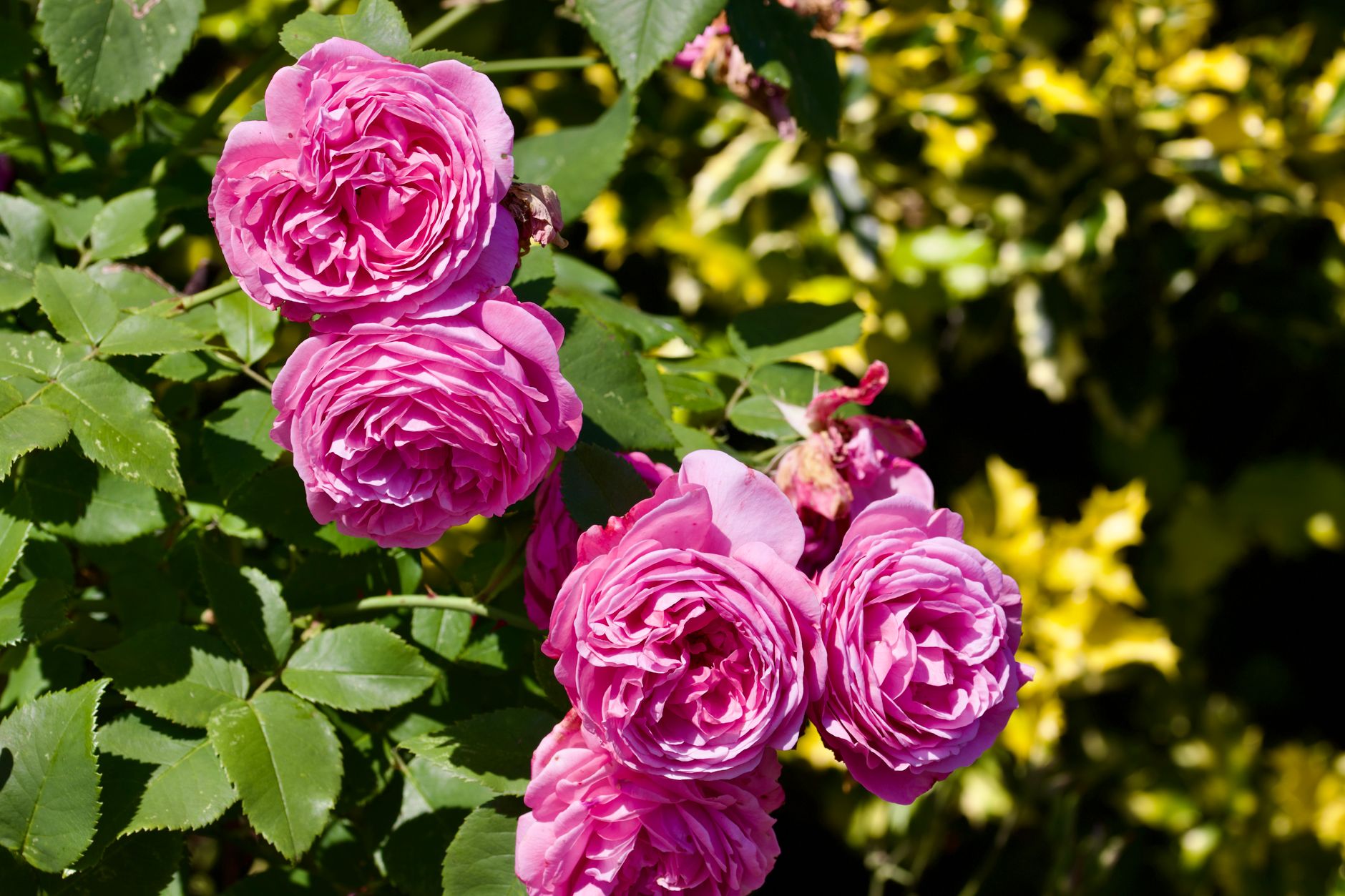
    A lush walled garden UK to visit in summer, with climbing roses and overflowing herbaceous borders in warm afternoon light
    Photo by Nikolai D on Pexels

    Why walled gardens feel so magical in summer

    The design isn’t just pretty, it’s practical genius. Those high brick or stone walls trap heat, create a sheltered microclimate, and extend the growing season well beyond what the British weather would otherwise allow. That means roses clambering in mad abundance, espaliered fruit trees heavy with promise, and cutting beds that produce colours so saturated they almost look digital. Summer is absolutely peak time for walled gardens uk to visit summer: the herbaceous borders are going full pelt, the kitchen garden rows are lush, and the scent on a warm afternoon is something else entirely.

    National Trust walled gardens that are genuinely worth the drive

    Sissinghurst Castle Garden in Kent is probably the most famous of the lot, and honestly, the reputation is earned. Created by Vita Sackville-West and Harold Nicolson in the 1930s, the White Garden alone, all silver foliage, creamy whites, and soft grey stone, is worth the entry fee. In July and August the whole place reaches a sort of fever pitch of colour. Book your slot in advance; it fills up fast.

    Hidcote Manor Garden in the Gloucestershire Cotswolds is another National Trust giant. Laid out by Lawrence Johnston in the early twentieth century, it works as a series of outdoor rooms, each with its own mood. The Pillar Garden, the Bathing Pool Garden, the Old Garden, you move between them as if you’re flicking through a very beautiful magazine. I spent about three hours there last summer and still felt I’d rushed it.

    Cragside in Northumberland, Powis Castle in Wales, and Erddig near Wrexham all have walled kitchen gardens that are less visited than their southern counterparts and all the better for it. Powis in particular sits on a dramatic hillside, and on a clear summer day the views over the Welsh countryside from the terraced borders are outstanding.

    Lesser-known estate walled gardens worth seeking out

    The walled gardens uk to visit summer that I find most exciting are the ones that haven’t made it into every travel supplement. Walled gardens at Raby Castle in County Durham, for instance, are genuinely spectacular and far less crowded than anything in the south. The restored kitchen garden at Floors Castle in the Scottish Borders, the largest inhabited castle in Scotland, grows heritage vegetables and cut flowers in a setting that feels almost theatrical.

    Doddington Hall in Lincolnshire has a walled garden that opens to the public from spring through to autumn, with a wildflower meadow just beyond the walls that would look right at home on a seed packet. If you’re exploring the East Midlands, it’s a brilliant half-day out. Similarly, the walled garden at West Dean in West Sussex, run as a college of arts and crafts, has one of the finest restored Victorian kitchen gardens in the country, complete with fifty-eight metres of glasshouses and a working fruit house. The whole place hums with purpose.

    For something a bit different, the walled garden at Scampston Hall in North Yorkshire pairs formal contemporary planting by Piet Oudolf with the bones of a classical English layout. Oudolf’s naturalistic style means it looks particularly gorgeous from midsummer onwards when the grasses and perennials hit their stride.

    Tips for getting the most out of your visit

    Go mid-week if you possibly can. The difference between a Saturday in August and a Tuesday morning is enormous, you’ll get the bees-and-silence experience rather than the buggies-and-ice-cream experience (which is also fine, but different). Arrive when the gates open. Morning light in a walled garden is genuinely special, and the scent from roses and sweet peas is strongest before the heat of the day disperses it.

    Wear comfortable shoes that you don’t mind getting a bit earthy, even the grandest walled gardens have sections where the paths are grass or gravel and the borders spill over generously. Take a proper look at the kitchen garden sections, not just the ornamental beds. The rows of heritage tomatoes, trained squash, and climbing beans are often just as photogenic as the rose gardens, and you’ll usually find them quieter.

    Many walled gardens now have excellent cafés attached, Hidcote, Sissinghurst, and West Dean all do well on that front. Pack a proper picnic with artisan local food if you’d rather eat outdoors on the grass beyond the walls; most gardens have areas where that’s encouraged.

    Pairing your walled garden visit with other summer adventures

    A walled garden works brilliantly as the calm, restorative anchor to a wider summer day out. If you’re visiting somewhere like Cragside in Northumberland, the surrounding estate is perfect for a long woodland walk before or after. Head to Powis Castle in mid-Wales and you’re already in prime territory for wildflower meadow walks in the surrounding countryside. And if you’re making a longer break of it, perhaps a few days in the Cotswolds or a coastal stretch of England, the most dramatic coastal hideaways are often within striking distance of a great garden.

    The National Trust’s dedicated gardens page has a searchable map that lets you filter by region and season, genuinely useful for planning a summer itinerary around the walled gardens uk to visit summer that suit you best.

    My honest advice? Pick one garden this summer and give it your full attention. Don’t rush to tick off five in a week. Sit on a bench. Watch the bumblebees work the foxgloves. Let the afternoon light do its thing on the old stone walls. Britain does this kind of quiet, sun-warmed beauty as well as anywhere on earth, and summer is when it reaches full volume.

    Frequently Asked Questions

    What are the best walled gardens in the UK to visit in summer?

    Sissinghurst Castle Garden in Kent and Hidcote Manor in Gloucestershire are the most celebrated, but Raby Castle in County Durham, West Dean in West Sussex, and Scampston Hall in North Yorkshire are all outstanding and far less crowded. Summer is peak season for colour and scent across all of them.

    Do I need to book tickets in advance for National Trust walled gardens?

    For the most popular sites like Sissinghurst, advance booking is strongly recommended, especially at weekends in July and August. Most National Trust gardens now use timed-entry tickets, which you can book via the National Trust website. Members get free entry but still need to reserve a slot.

    How much does it cost to visit a walled garden in the UK?

    Prices vary. National Trust gardens are free for members; non-members typically pay £12–£20 per adult. Independent estate gardens like West Dean or Doddington Hall usually charge between £8 and £15. Many gardens offer family tickets that bring the cost down significantly.
  • Wildflower Walks: The Most Colourful Meadows and Nature Reserves to Explore Across the UK in Summer

    Wildflower Walks: The Most Colourful Meadows and Nature Reserves to Explore Across the UK in Summer

    There is something genuinely giddy-making about cresting a hill in June and finding the whole slope in front of you absolutely ablaze with colour. Purple orchids, butter-yellow cowslips, the shocking pink of ragged robin catching the morning light. I’ve had a few of those moments over the years, and they never get old. If you’re planning your summer outdoors time and want something that goes beyond a standard country walk, wildflower meadows uk summer walks are, I’d argue, one of the great underrated pleasures this country has to offer. We have some of the finest chalk downland, ancient hay meadows, and coastal clifftops in Europe, and for a few glorious weeks each year they put on a show that’s genuinely world-class.

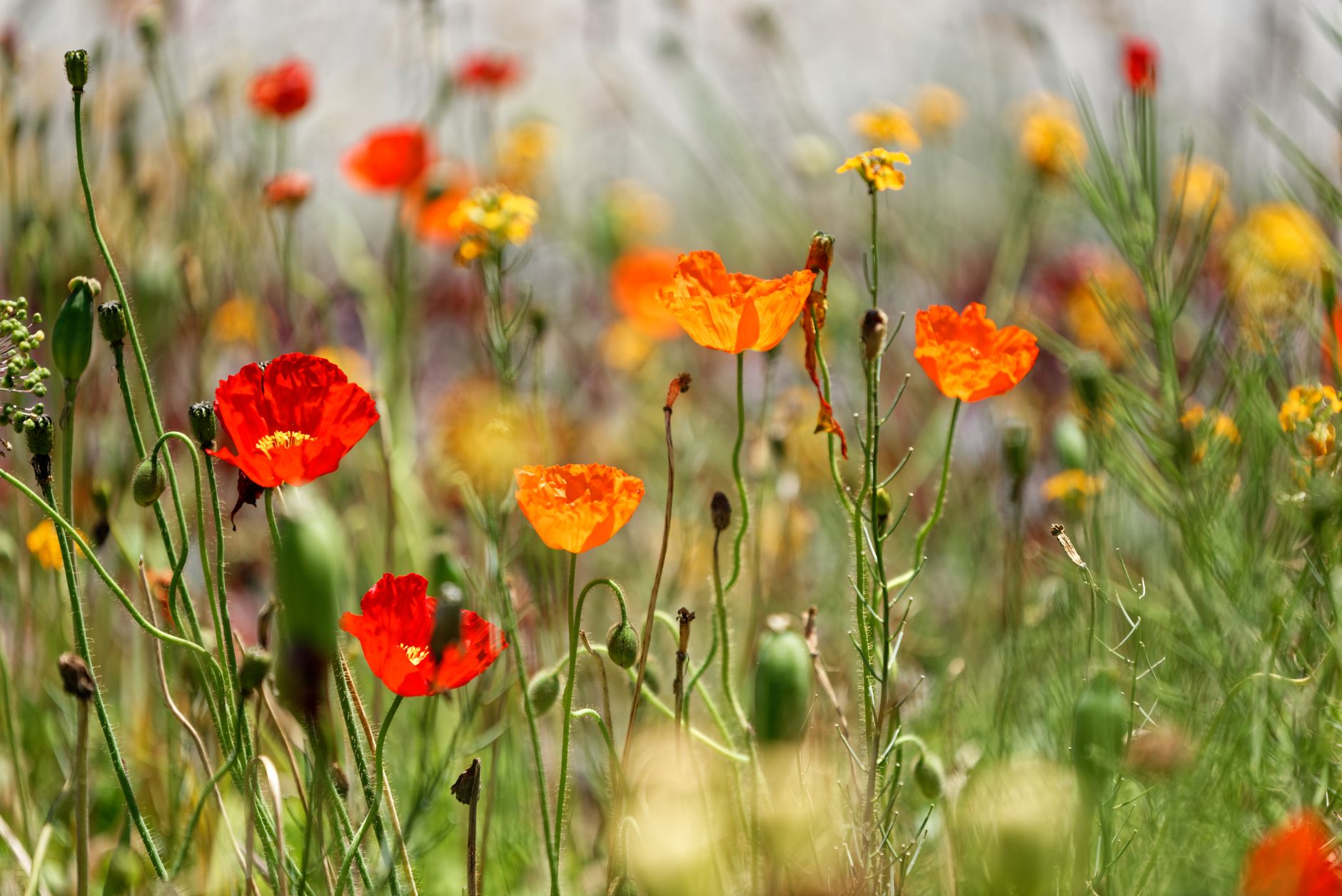
    Colourful wildflower meadow in full summer bloom, perfect for UK summer walks
    Photo by Gu Bra on Pexels

    Why UK wildflower meadows are so special right now

    Britain has lost around 97% of its traditional wildflower meadows since the 1930s, according to The Wildlife Trusts. That sounds devastating, and it is, but it also means the surviving sites are extraordinary concentrations of botanical richness. Peak bloom across most of England runs from late May through to mid-July, with Scotland and upland areas flowering a fortnight or so later. Get the timing right and you’re walking into something close to magic.

    The good news is that rewilding projects and agri-environment schemes have been quietly bringing meadows back, and several nature reserves now have more wildflowers than they’ve seen in decades. If you’re the sort of person who enjoys planning a summer day out around something genuinely special, read on.

    Chalk downland: orchids and butterflies by the thousand

    The chalk downs of southern England are ground zero for wildflower walks in summer. The thin, nutrient-poor soil that makes farming the downs so difficult is exactly what allows species like common spotted orchid, pyramidal orchid, and the extraordinary bee orchid to thrive. Head to Noar Hill in Hampshire in June and you can find over 2,000 bee orchids in a single field. Two thousand. I counted about thirty once and felt triumphant, so that number still astonishes me.

    Box Hill in Surrey (National Trust, free car park nearby) is another brilliant chalk downland spot, carpeted with wild thyme, kidney vetch, and horseshoe vetch that feeds the chalkhill blue butterfly. The views across the North Downs are spectacular, and you can pair the walk with a picnic on the slopes. Speaking of which, if you want to make a proper occasion of your day out, our guide to the best local artisan food for an outdoor feast has some genuinely lovely ideas for stocking your hamper beforehand.

    The South Downs National Park is simply enormous as a wildflower destination. Kingley Vale near Chichester has ancient yew woodland surrounded by chalk grassland thick with orchids and scabious. Park at the West Stoke car park and allow a good three hours.

    Ancient hay meadows: stepping back in time

    If chalk downland is the glamorous cousin, ancient hay meadows are the quietly magnificent ones. Muker Meadows in Swaledale, North Yorkshire, is probably the most photographed hay meadow in England, and with good reason. In late June, the fields around the village turn into a dense mosaic of wood cranesbill, yellow rattle, and melancholy thistle, with dry-stone walls running through it all. The village itself is lovely and there’s a good tea room. Go on a weekday morning if you can, because weekends get busy from July onwards.

    Cricklade North Meadow in Wiltshire is a National Nature Reserve and, in April and May, holds the largest population of snake’s head fritillaries in the UK. By June it transitions into a lush hay meadow full of meadow buttercup, great burnet, and green-winged orchid. Entry is free and the meadow is managed by Natural England, so the habitat quality is superb.

    Up in Scotland, Insh Marshes RSPB Reserve in the Cairngorms is a different kind of wildflower experience entirely. The floodplain meadows there bloom later (think July into August) with marsh marigold, ragged robin, and globeflower, and the birdlife alongside is extraordinary. It’s genuinely remote, so plan accommodation in Kingussie or Newtonmore.

    Coastal clifftops: sea pinks and salt air

    There’s a particular sensory hit to wildflower walks on clifftops. The wind, the distant crash of waves, the sharp smell of the sea, and then suddenly you look down and the whole cliff edge is fringed with thrift (sea pinks), sea campion, and spring squill. It’s the kind of scene you want to photograph every thirty seconds.

    The Lizard Peninsula in Cornwall is the standout for coastal wildflowers. The Lizard is the most southerly point of mainland Britain, and the unique serpentinite rock creates conditions found almost nowhere else, supporting rarities like Cornish heath and hairy greenweed. The cliff path from Kynance Cove towards Lizard Point is brilliant in June. While you’re in that part of the world, the prettiest coastal villages in Wales piece might inspire an extension to your trip across the water.

    Flamborough Head in East Yorkshire is another coastal wildflower gem. The chalk cliffs support a rich flora of wild carrot, kidney vetch, and rock rose, and the seabird colonies nesting in the cliffs add an extra dimension to any visit. The RSPB has a visitor point at Bempton Cliffs nearby, and the combination of flowers and thousands of gannets is genuinely unforgettable.

    For something a bit different, Great Orme in North Wales is a limestone headland above Llandudno with wild cotoneaster (found nowhere else in the world) and kashmiri goats wandering through the flowers. The best UK orchards to visit this summer is a good companion read if you’re planning a longer Welsh trip, as there are some brilliant spots in that part of the world.

    Practical tips for planning your wildflower walk

    Timing is everything. Most chalk downland orchids peak between late May and late June. Hay meadows are typically at their best in June and early July before the first cut. Coastal clifftop flowers tend to bloom from April through June. Always check recent sightings on iNaturalist or the local Wildlife Trust website before making a long journey, especially if the season has been unusual.

    Wear layers. Even in summer, a clifftop or high downland walk can turn breezy fast, and the best wildflower light is usually in the early morning or late afternoon when temperatures drop. Bring a field guide if you’re keen to identify species. The Collins Wildflower Guide is the one I’ve used for years and it’s excellent. Most nature reserves have free parking though some charge a small fee, so carry a few pounds just in case.

    Stick to paths. This feels obvious, but wildflower meadows are delicate, and compaction from foot traffic can damage root systems. Where a meadow has a marked path, use it. The flowers are far better viewed from the edge anyway, where they tumble over into proper display. And do check if the site requires any permit or booking before you turn up, particularly for the smaller National Nature Reserves, as some operate seasonal access controls.

    If you find yourself wanting to extend a wildflower walk into a full weekend away, some of these spots sit near brilliant boutique accommodation. Our round-up of the UK’s most dramatic coastal hideaways has some genuinely spectacular options near both the Cornish and Yorkshire coasts. A clifftop cottage with wildflowers outside the window sounds like a very good summer to me.

    The meadows are waiting. Go find them.

  • RHS Chelsea Flower Show Inspired: How to Give Your British Garden a Summer Glow-Up on a Budget

    RHS Chelsea Flower Show Inspired: How to Give Your British Garden a Summer Glow-Up on a Budget

    Every June, the RHS Chelsea Flower Show rolls around and I find myself glued to the coverage, completely convinced I can recreate those sweeping herbaceous borders and artfully rusted steel sculptures in my own back garden. Hampton Court Palace Garden Festival does the same thing to me in July. The reality, of course, is a bit more modest, but honestly? That gap between show garden grandeur and achievable back-garden beauty is much smaller than you’d think. These British garden summer makeover ideas won’t require a landscaping team or a lottery win. Just a bit of planning, some savvy plant buying, and a willingness to get your hands dirty.

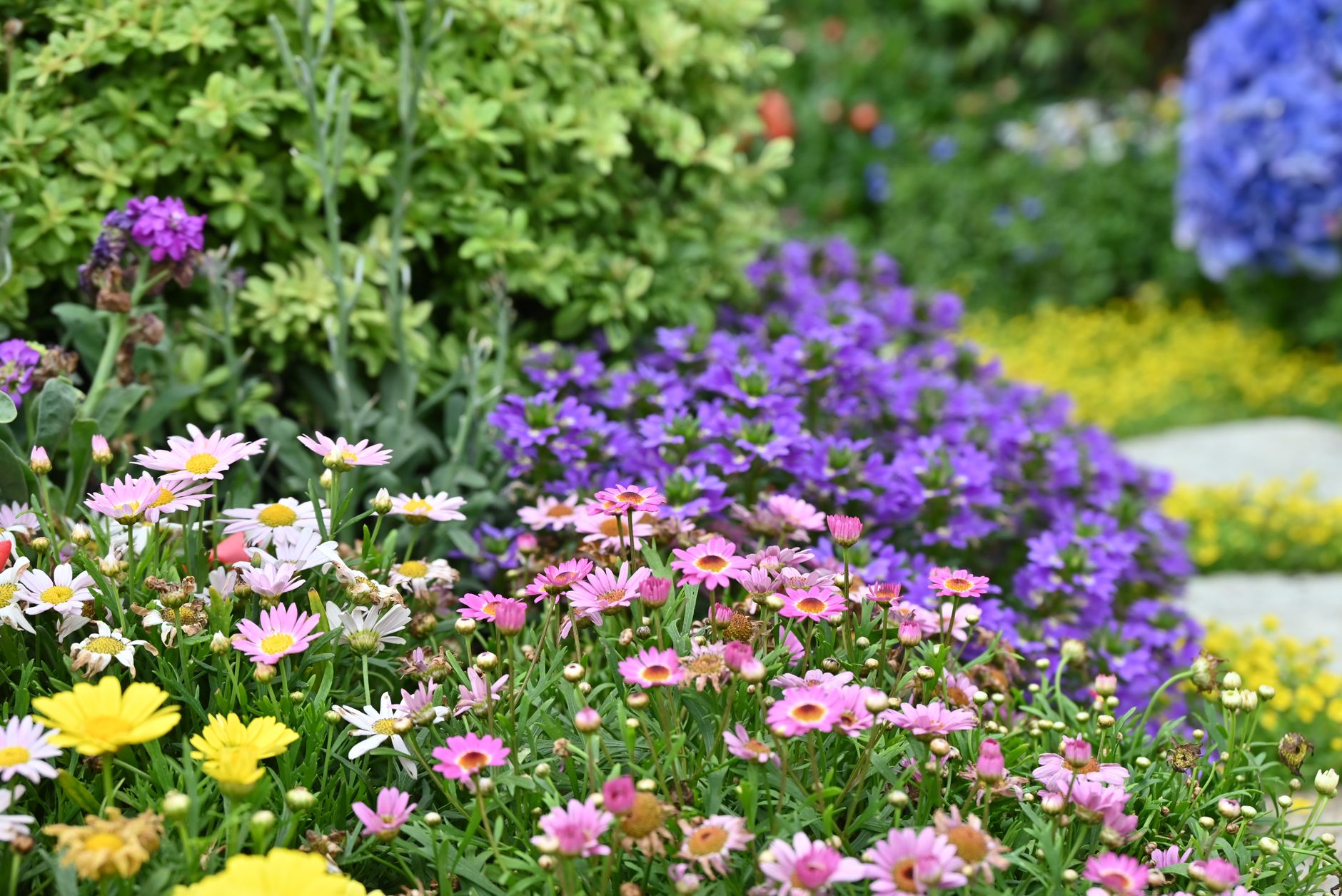
    Colourful summer garden border with cosmos and salvia — British garden summer makeover ideas in action
    Photo by King Ho on Pexels

    Start with colour, the Chelsea way

    The show gardens at Chelsea and Hampton Court are masterclasses in colour theory, even when they look effortlessly wild. Designers like Luciano Giubbilei and Andy Sturgeon don’t just chuck plants in and hope for the best. They work in palettes. And you can do exactly the same thing on a fraction of the budget.

    Pick two or three colours maximum and stick to them. Soft blues, purples, and whites give that cool, sophisticated feel that dominates many RHS Gold Medal gardens. Warm oranges, deep reds, and burnt yellows give a late-summer festival energy that carries right through to September. I’d start with something like Salvia nemorosa ‘Caradonna’ (around £4.50 from most garden centres), a few stems of Allium ‘Purple Sensation’, and some white Cosmos bipinnatus grown from seed for next to nothing. Together they look genuinely expensive. They’re absolutely not.

    Repeating the same plant throughout a border rather than dotting in one of everything is the single biggest trick Chelsea designers use. It creates rhythm. Three or five of the same plant (odd numbers always work better visually) instantly makes a border look intentional rather than accidental.

    Budget planting ideas that punch above their weight

    The RHS itself encourages home gardeners to grow from seed, and rightly so. A packet of Cosmos, Nigella, or Ammi majus costs under £3 and will fill an entire border with airy, elegant flowers from July onwards. These are staples in florist-style gardens because they look delicate without being fussy to grow.

    For structure, which show gardens always have, even the naturalistic ones, you want a few statement plants that do the heavy lifting. Hardy geraniums are almost indestructible, spread well, and cost very little. Verbena bonariensis is a classic for good reason: tall, wispy purple flowers that bees adore and that weave beautifully between other plants. You’ll find it at most garden centres or online from around £2.50 a plug plant.

    If you have a shaded corner that feels like a dead zone, don’t despair. Ferns, hostas, and astilbes are the Chelsea designer’s toolkit for tricky spots, and all three can be found cheaply at car boot sales or plant swaps. The RHS Award of Garden Merit scheme is genuinely useful here, any plant carrying an AGM label has been trialled for reliable performance in UK gardens, so it’s a good filter when you’re buying on a budget and can’t afford to waste money on plants that sulk.

    Styling your outdoor space like a show garden

    Beyond the planting, it’s the styling that separates a lovely garden from a spectacular one. Show gardens use clever visual tricks, and most of them cost very little to replicate.

    Containers are your best friend. A cluster of three pots in different heights, planted with a thriller (something tall and dramatic), a filler (something bushy), and a spiller (something trailing over the edge) looks polished and considered. Terracotta pots from B&Q or Wilko start at around £3. Age them quickly by painting them with natural yoghurt and leaving them outside for a fortnight, they’ll develop that mossed-up, aged patina that show designers pay a fortune for.

    Vertical interest is another show garden staple that costs almost nothing to add. A simple wooden obelisk in a border (you can make one from bamboo canes and garden wire for under £5) gives sweet peas or climbing nasturtiums something to scramble up, adding height and drama. Sweet peas in particular are quintessentially British summer, they smell extraordinary, and a packet of seeds from Dobies or Suttons is about £2.50. I’ve grown them up a wigwam of sticks in a pot on the patio before now and it looked genuinely lovely.

    Don’t overlook lighting either. Solar lanterns strung through borders or along fences transform a garden on a warm evening in a way that no daytime photo ever quite captures. String lights from any garden centre or supermarket, solar-powered so there’s no running cost, can make even the most modest plot feel like somewhere you’d genuinely want to linger.

    Lawn and edge care: the detail that makes the difference

    Chelsea show gardens have immaculate edges and there’s a reason they look so crisp, a clean edge between lawn and border does more for the overall impression than almost anything else. A half-moon edging iron costs about £15 and is a one-off purchase that lasts years. Run it along your borders once at the start of summer and the whole garden suddenly looks three times more intentional.

    If your lawn is patchy after a dry spring (which, let’s be honest, is pretty common across most of England), an autumn overseeding plan will sort it for next year, but in the short term a good feed and a consistent cut height makes a huge difference. The RHS recommends cutting grass to around 2.5–4cm in summer, shorter than that stresses the grass and turns it yellow in dry spells.

    Bring the indoors out for a summer feel

    One of the most joyful trends coming out of recent Hampton Court shows is the blurring of indoors and outdoors. Outdoor rugs, proper comfortable seating, and even an outdoor mirror (placed to reflect light and make a small garden feel bigger) all contribute to that sense of the garden as a proper room rather than just a patch of grass behind the house.

    I’ve been experimenting with a simple bistro table and two chairs in a sunny corner, surrounded by pots of lavender and trailing pelargoniums, and it’s become my favourite spot all summer. It cost me under £60 all in. And if you’re planning a picnic or outdoor gathering out there, it’s worth thinking about what you’re actually eating and drinking, I always find it’s the little details, like good food and a proper spread, that make an outdoor space feel genuinely celebratory. For inspiration on what to put on the table, our guide to the best local artisan food for an outdoor feast is well worth a read.

    Make it wildlife-friendly too

    The show gardens of recent years have leaned hard into biodiversity, and it’s genuinely easy to follow suit. A small pond (even a washing-up bowl sunk into the ground) attracts frogs, insects, and birds within weeks. Leaving a patch of lawn unmown for a fortnight allows wildflowers to emerge that you didn’t even know were there. These aren’t just good for nature; they look beautiful too, in that soft, naturalistic way that dominates contemporary garden design.

    If you’re already thinking about getting outdoors and enjoying British summer to its fullest, you might enjoy reading about the most beautiful parks and meadows to visit across the UK, brilliant for picking up planting inspiration from nature itself. And if wildlife gardening leads you toward the coast and conservation, our piece on eco-friendly beach clean events this summer has some wonderful ideas for taking that green spirit further.

    British garden summer makeover ideas don’t have to mean ripping everything up and starting again. A few well-chosen plants, some clever styling, clean edges, and a handful of containers can genuinely transform the feel of any outdoor space. The Chelsea and Hampton Court gardens prove every year that beauty comes from intention, not from budget. Your garden can have both.

  • Picnic Perfect: The Most Beautiful Parks and Meadows to Visit Across the UK This Summer

    Picnic Perfect: The Most Beautiful Parks and Meadows to Visit Across the UK This Summer

    There is something genuinely magical about spreading a blanket on warm grass, watching the clouds drift overhead, and eating something delicious entirely outside the confines of a kitchen. Britain in summer can be breathtaking, and the best outdoor picnic spots in the UK are proof that you do not need to book a flight to find somewhere spectacular. I’ve spent more summer afternoons than I can count hunting down the perfect patch of green, and I am absolutely convinced this country does al fresco eating better than almost anywhere else on earth.

    Family enjoying outdoor picnic spots UK on a summer meadow with rolling countryside behind them
    Photo by Vlada Karpovich on Pexels

    Why picnicking is having its moment right now

    The post-lockdown appetite for outdoor living never really faded. According to the VisitBritain research hub, domestic day trips centred around outdoor experiences have continued to climb year on year since 2021. This summer, with school holidays stretching from mid-July into September and a string of bank holidays scattered through June and August, more families, couples, and friends are packing cool bags and heading for open air. Rightly so.

    Picnicking also pairs beautifully with so much of what the country already has on offer. Whether you are planning a full summer of British adventures or simply looking for a relaxed afternoon out, having a few brilliant picnic destinations in your back pocket is a very good idea. If you are building a broader UK summer itinerary, our guide to staycationing in Northern England is full of ideas for combining outdoor eating with proper regional exploring.

    Hidden meadows that feel like a secret

    My absolute favourite type of picnic spot is one that feels like only you know about it. Britain has hundreds of these, largely thanks to the network of public footpaths and open-access land that criss-crosses the countryside.

    Castle Meadows in Abergavenny, just inside the Welsh border, is a flat, broad sweep of grassland beside the River Usk. It is free, it is never uncomfortably crowded, and on a clear June morning the Brecon Beacons rise dramatically behind the treeline. Similarly, Rydal Meadows in the Lake District sits just off a popular walking route but feels surprisingly quiet. The River Rothay runs alongside it, shallow enough in summer for children to paddle, and the light on the fells at around 6pm is something I genuinely remember for weeks afterwards.

    In the south, the Long Mynd plateau in Shropshire offers wide, heather-edged open ground with views across three counties. It is a bit of a climb to reach the best spots, but that is partly the point. Pack sandwiches that reward the effort.

    National Trust gardens worth the membership

    If wild meadows feel like too much of a commitment, National Trust properties across England, Wales, and Northern Ireland give you manicured lawns, clean facilities, and usually a very good café to supplement whatever you have brought in your basket. For picnic purposes, a few stand out.

    Stourhead in Wiltshire is probably Britain’s most photographed landscape garden, and for good reason. The circuit around the lake, with its Pantheon folly and the Temple of Apollo reflected in the water, takes about an hour to walk properly and gives you a dozen potential picnic perches along the way. June is particularly good here before the high summer crowds arrive.

    Sissinghurst Castle Garden in Kent is smaller but extraordinarily beautiful. The White Garden and the rose beds between June and July are genuinely extraordinary, and the surrounding estate farmland means you can find space away from the formal areas to sit on the grass and eat in peace.

    Wallington in Northumberland is a long drive from most of England but deeply worthwhile if you are already heading north. The walled garden alone is one of the most sheltered and sun-warmed spots I’ve found anywhere in the country, even on a day that feels borderline on the thermometer.

    Manicured National Trust garden lawn perfect for outdoor picnic spots UK in summer
    Photo by Ollie Craig on Pexels

    City parks that genuinely shine in summer

    Not every brilliant picnic requires leaving an urban postcode. Britain’s city parks are seriously underrated, and between June and August they transform into something close to outdoor living rooms.

    Regent’s Park in London is the obvious choice, and the inner circle lawns near the rose garden are as good as it gets in any capital city in Europe. But if you want to avoid the Central London bustle, Roundhay Park in Leeds is vast and largely uncrowded, with a boating lake and open grassland that could comfortably fit most of Regent’s Park inside it twice over. I’d put it on my list without hesitation.

    Pittencrieff Park in Dunfermline (known locally as The Glen) is a glorious surprise, a deeply wooded gorge with open picnic areas above that feel positively continental on a warm afternoon. It is free, well maintained, and right in the town centre.

    Sefton Park in Liverpool is another one worth knowing about. The Palm House makes a striking backdrop, and the sprawling lawns around the boating lake are genuinely peaceful even on summer weekends. Pair a picnic there with a walk down to the waterfront and you have a full afternoon sorted.

    Practical things that actually make a difference

    A good picnic is mostly in the planning. A well-made cool bag, an actual blanket rather than a tarpaulin, and something cold to drink are the fundamentals. Beyond that, I always check the Met Office forecast the morning of rather than the night before; British summer weather shifts quickly, and a 10am update is usually far more reliable than anything you looked at 12 hours earlier.

    Shade matters more than people think. A beautiful meadow with zero tree cover becomes uncomfortable by 1pm on a hot day, so I try to find spots with a mix of open sun and dappled shade. The same logic applies to windows at home; friends of mine in Nottinghamshire recently sorted their living room light with help from Vesta Blinds and Shutters Mansfield, and I was genuinely envious of how well they had managed the afternoon glare. Outdoors, a good tree does the same job.

    If you are combining your picnic with a longer outdoor day, it is worth bookmarking some of the wild swimming spots across the UK that sit near picnic-friendly meadows. A swim followed by lunch on dry grass is, in my opinion, one of the finest ways to spend a July afternoon in this country.

    What to pack to make it count

    Skip the supermarket meal deal. A proper picnic is worth a bit of thought, and if you are near one of the country’s summer food events beforehand, even better. Our round-up of the UK’s best summer food festivals covers markets and producers where you can pick up exactly the kind of local bread, cheese, charcuterie, and fruit that makes sitting on a blanket feel genuinely celebratory.

    Pack a small bin bag. Please. Britain’s parks and meadows stay beautiful because most people who use them treat them with a bit of care, and keeping that up costs nothing.

    Summer in Britain, at its best, is a proper gift. Get yourself outside and enjoy it.