Author: Ethan

  • Summer on a Shoestring: How to Have a Brilliant UK Staycation for Under £500 as a Family

    Summer on a Shoestring: How to Have a Brilliant UK Staycation for Under £500 as a Family

    Right, let’s be honest about it. The cost-of-living squeeze hasn’t exactly loosened its grip, and the idea of whisking the whole family abroad for a fortnight feels a bit more distant than it did a few years ago. But here’s the thing I’ve genuinely come to believe: a budget UK family staycation in 2026 can be every bit as magic as anything you’d find on a package deal to the Algarve. You just need to know where to look, and when to book. So I’ve pulled together everything I’ve learnt from doing this with my own family into one practical, cheerful guide that shows you it really is possible to spend a full week having a brilliant time for under £500 as a family of four.

    Family enjoying a summer picnic in the countryside on a budget UK family staycation 2026
    Photo by Gustavo Fring on Pexels

    Where to stay without spending a fortune

    Accommodation is where most families blow the budget before they’ve even had a sniff of an ice cream. The trick is to go self-catering and lean into it properly. Sites like Pitchup and the Camping and Caravanning Club list hundreds of pitches across the country for well under £30 a night, and some of the best ones are in genuinely beautiful spots. Think the Peak District, the Gower Peninsula, or the rolling hills of the North York Moors. A week of pitch fees for a family tent could come in at £150 to £180 all in, which immediately leaves room for everything else.

    If camping with small children fills you with a particular kind of dread (I’ve been there), look at budget self-catering cottages through Sykes Cottages or Holiday Cottages. Booking off-peak weeks, meaning early July or late August rather than the school holiday peak in the middle, can shave 20 to 30 per cent off the price. A modest two-bedroom cottage in, say, Northumberland or the Lincolnshire Wolds can come in at around £350 to £400 for a week. That’s your accommodation sorted, well within the overall budget.

    One option I’d always push people towards: if you have friends or family in a different part of the country, consider a house swap week. You stay with them (or in their home while they’re away), they visit yours another time. Free accommodation changes the entire maths of the holiday.

    Free and low-cost attractions across the UK

    This is where the UK genuinely shines. We have an extraordinary number of things to do for absolutely nothing, and most families walk right past them. All English Heritage properties managed by Natural England, every National Trust nature reserve, and the vast majority of the UK’s national parks are free to enter on foot. The government’s guidance on national parks lists 15 of them across England, Scotland and Wales, covering thousands of square miles of walking, paddling, and general roaming about.

    For rainy days, and yes, we do have to plan for them, the major national museums are all free. The Natural History Museum, the Science Museum, the V&A, the National Railway Museum in York, and the National Museum of Scotland in Edinburgh don’t charge a penny for general admission. A day in York around the Railway Museum, a packed lunch on the grass outside, and a wander along the city walls? That’s an entire day out for almost nothing, and the kids love it.

    Beaches are free, obviously. I’d point you towards some of the quieter stretches: Holkham in Norfolk, Druridge Bay in Northumberland, Rhossili Bay in Wales. Stunning, often uncrowded compared to the honeypot spots, and not a car park charge in sight if you walk in from the village. Speaking of beaches, if you’re heading to the coast this summer, it’s worth knowing that joining a beach clean event can actually be a genuinely fun, purposeful morning out for families with older children.

    Self-catering food that feels like a treat

    Food is the other big variable. Eating out every evening as a family of four adds up horrifyingly fast, even at modest pub prices. The answer is to embrace self-catering properly rather than treating it as a chore. Shop at local markets, farm shops, and Co-ops rather than the nearest supermarket where you’ll inevitably overspend on familiar brands. Buying a bag of local potatoes, some good cheese from a deli counter, and bread from a village bakery is often cheaper than a supermarket equivalent and tastes about five times better.

    I’d budget roughly £50 to £60 for a family food shop to cover the week’s breakfasts, packed lunches, and most evening meals. Allow £80 to £100 for two or three evening meals out, choosing pubs with children’s menus where kids eat free with an adult main, a deal that’s genuinely widespread. That puts total food spend at somewhere between £130 and £160 for the week. Easily doable.

    Packed lunches eaten outdoors are, genuinely, one of the best things about a UK summer holiday. I’ve had picnics on clifftops, beside rivers, in the middle of wildflower meadows, and at the edge of walled gardens that felt completely magical. If you’re planning a walk-and-picnic day, our guide to the UK’s most colourful wildflower meadows is a good place to start for route inspiration.

    Hidden-gem destinations worth building a week around

    Forget the Cotswolds in August. Beautiful as it is, the crowds and prices have made it a different beast. My picks for families on a budget UK family staycation in 2026 would include:

    The Forest of Dean, Gloucestershire. Ancient woodland, free walking trails, a proper Go Ape (if you budget for it), and some excellent free cycling on the family cycle trails. Self-catering accommodation here is much cheaper than anywhere further south.

    Dumfries and Galloway, Scotland. Possibly the most underrated corner of the UK. Dark skies, beautiful beaches, and very reasonable prices compared to the Highlands. If you’re keen on stargazing while you’re there, we’ve covered some brilliant dark sky campsites across the UK that are worth a look.

    The Wye Valley, on the England-Wales border. Free to wander, genuinely spectacular, and not yet overwhelmed by the tourist infrastructure that prices things up. Tintern Abbey is English Heritage and free to walk around the outside of. The river is perfect for a paddling afternoon.

    Filey, Yorkshire. The quieter neighbour to Scarborough and Whitby, with a lovely beach, a good high street, and accommodation prices that reflect its lower profile rather than its actual quality. Old-fashioned British seaside done properly and affordably.

    Keeping a realistic budget breakdown

    Here’s roughly how a week shapes up for a family of four. Accommodation in a budget self-catering cottage or on a good campsite: £150 to £200. Food for the week (self-catering plus two or three meals out): £130 to £160. Petrol or train fares to get there and back: £50 to £80 depending on distance. Paid activities, entry fees, ice creams, and the odd souvenir: £60 to £80. Total: somewhere between £390 and £520, with plenty of room to come in below the lower end if you’re staying locally or going camping.

    The ONS has noted that domestic tourism spending among UK families has increased significantly since 2022, partly because the value of a good staycation has become so clear compared with the rising cost of overseas package deals. More families than ever are discovering that the UK has world-class things to offer, often for very little money.

    The best budget UK family staycation in 2026 isn’t about deprivation. It’s about choosing differently. Picking the beautiful beach that isn’t on every Instagram account. Eating the pie from the local bakery instead of the chain restaurant. Spending a golden evening in a meadow with nothing booked and nowhere to be. That’s the holiday I’d take every time.

    Frequently Asked Questions

    Can a family of four really have a UK staycation for under £500?

    Yes, genuinely. By combining budget self-catering accommodation (camping or a modest cottage), self-prepared meals, and free attractions like national parks, beaches, and museums, a family of four can have a full week away for £390 to £480. The key is planning food spending carefully and choosing free or low-cost activities most days.

    What are the cheapest types of accommodation for a UK family holiday?

    Camping or glamping pitches are usually the most affordable, often £20 to £30 per night on good sites through the Camping and Caravanning Club or Pitchup. Budget self-catering cottages in less-famous destinations like Northumberland, the Wye Valley, or Dumfries and Galloway are the next step up, particularly if booked in early July or late August rather than peak school holiday weeks.

    Which UK destinations offer the most free activities for families?

    National parks like the Peak District, Dartmoor, and the Brecon Beacons are entirely free to walk in. Major cities offer free national museums, including the Natural History Museum in London and the National Railway Museum in York. Coastal areas like Northumberland and the Gower Peninsula have stunning free beaches that are far less crowded than the popular holiday hotspots.

    How can we cut the food budget on a self-catering family holiday?

    Shop at local markets and farm shops for fresh, good-value produce rather than relying on supermarkets. Take packed lunches out every day, which also means you’re not paying tourist-area café prices. Reserve eating out for one or two evenings and look for pubs where children eat free with an adult main course, a deal that’s very common across the UK.
  • Night Under the Stars: The Best Dark Sky Campsites in the UK for Summer Stargazing

    Night Under the Stars: The Best Dark Sky Campsites in the UK for Summer Stargazing

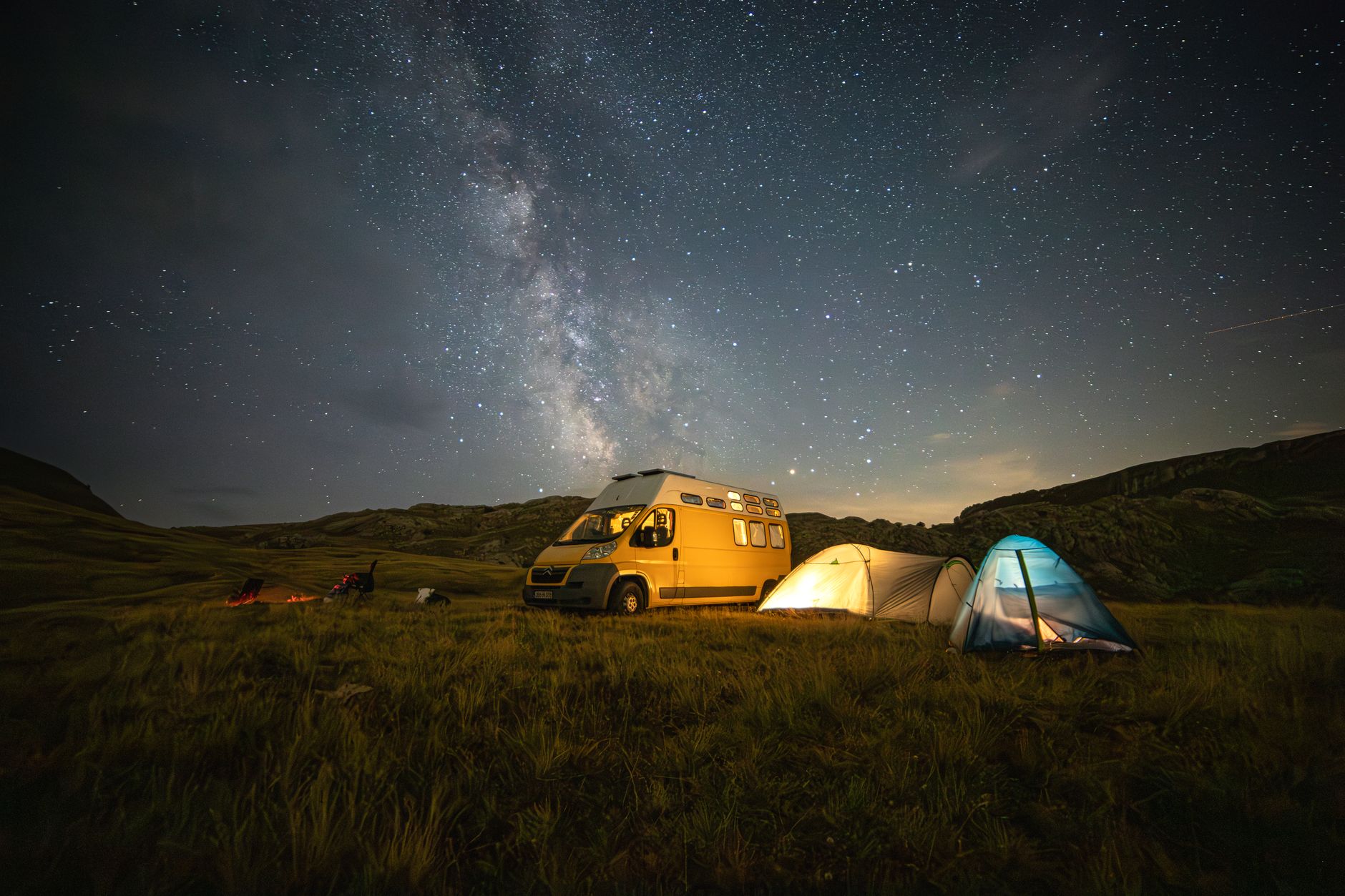
    There is something properly magical about lying on your back in a field, far away from the orange glow of a town, and watching the Milky Way slowly stretch across the sky above you. I did exactly that on a warm July evening in the Brecon Beacons a couple of years back, and I have been mildly obsessed with dark sky camping ever since. If you have never tried it, this summer is the perfect time to start. The dark sky campsites UK summer scene has genuinely blossomed, and there are now dozens of brilliant spots across England, Scotland, Wales, and Northern Ireland where you can pitch a tent just minutes from some of the darkest skies on the continent.

    Tent pitched under the Milky Way at a dark sky campsite UK summer stargazing trip
    Photo by Amel Uzunovic on Pexels

    What are Dark Sky Discovery Sites and why do they matter?

    The UK has a network of officially designated dark sky places, ranging from the enormous International Dark Sky Reserves (like the Brecon Beacons and Exmoor) down to smaller local Dark Sky Discovery Sites scattered along rural footpaths and coastal headlands. The Dark Sky Discovery programme, supported by the Science and Technology Facilities Council, has mapped hundreds of these locations across the country, grading them by the quality of darkness they offer. Camping at or near one of these sites means you genuinely stand a chance of seeing thousands of stars with the naked eye, which simply is not possible anywhere near a city.

    The best-known reserves include the Galloway Forest Park in Dumfries and Galloway (the first Dark Sky Park in the UK), Exmoor National Park in Somerset and Devon, the Brecon Beacons in Wales, and the Cranborne Chase Area of Outstanding Natural Beauty straddling Wiltshire and Dorset. Each has camping options nearby, many of them small and wonderfully low-key.

    The best dark sky campsites to book this summer

    In the Galloway Forest Park, Glentrool Camping and Caravanning Club site puts you right on the doorstep of truly spectacular darkness. On a clear night in summer, the Milky Way is visible without any optical aids at all, and I have heard from fellow campers that even satellites and the International Space Station are easy to spot from there. The forest is enormous and the light pollution practically non-existent.

    Down in Exmoor, Burrowhayes Farm Campsite near Porlock is a firm favourite. It sits in a valley between high moorland ridges, which naturally blocks much of the distant glow from Taunton and Minehead. The surrounding moorland is dotted with official Dark Sky Discovery Sites, so you only need to walk five or ten minutes from your tent to find a spot with a genuinely breathtaking view of the night sky.

    In Wales, the Brecon Beacons (now rebranded as Bannau Brycheiniog) earned International Dark Sky Reserve status back in 2012 and it remains one of the finest places in the whole of Europe to stargaze. Pencelli Castle Caravan and Camping Park is popular, comfortable, and close to some of the reserve’s best viewing areas. If you fancy something a bit more adventurous, cliff-top and coastal spots along the Pembrokeshire coast, which sits next to one of Wales’s darkest sky zones, are also excellent for late-night constellation hunting.

    Up in Northumberland, the Kielder Water and Forest Park holds International Dark Sky Park status and is consistently ranked as one of England’s darkest places. Kielder Campsite, run by the Forestry England team, sits right inside the park. Summer nights here are short but the darkness, when it arrives after 10 pm or so, is extraordinary. I would strongly suggest booking well ahead, as it fills up fast from June through August.

    For something a little different, the Isle of Sark in the Channel Islands holds Dark Sky Community status and offers a genuinely otherworldly experience. There are no street lights on the island at all, and the sky on a cloudless night looks like something from a nature documentary. The Sark Campsite is basic but perfectly positioned for a proper summer stargazing trip.

    Which constellations can you spot in summer?

    Summer is brilliant for stargazing in the UK, partly because the nights are warmer and you are not shivering in your sleeping bag by 9 pm. The Summer Triangle, made up of three bright stars (Vega, Deneb, and Altair) from three different constellations, is the most obvious landmark in the summer sky and almost impossible to miss once you know where to look. Scorpius sits low on the southern horizon in July and August, and Hercules is overhead.

    The Perseids meteor shower peaks every year around 11-13 August, and from a dark sky campsite you can realistically expect to see 80-100 meteors per hour at peak time. I have watched the Perseids from a hillside in the Brecon Beacons and it is genuinely one of the most joyful things I have ever done outdoors. Pack something warm regardless of the forecast; lying still in a field after midnight gets chilly even in summer.

    How to photograph the night sky as a complete beginner

    You do not need thousands of pounds of kit to take satisfying night sky photos. A basic DSLR or mirrorless camera with a wide-angle lens and a tripod is enough to capture the Milky Way. The key settings to start with: ISO between 1600 and 3200, aperture as wide as your lens allows (f/2.8 or wider is ideal), and a shutter speed of around 20-25 seconds. Any longer and the stars start to trail as the Earth rotates.

    Use a remote shutter release or your camera’s self-timer to avoid wobble when pressing the button. Point at the darkest part of the sky you can find, focus on a bright star manually (autofocus will not work in the dark), and take a test shot. Adjust your ISO up or down depending on whether the image looks too dark or too noisy. It takes a few attempts, but when it clicks, the results are genuinely stunning.

    Your mobile can also produce surprisingly good results these days. Modern smartphones with night mode or a dedicated astrophotography mode, like the Google Pixel 9 or Samsung Galaxy S25, can capture reasonable Milky Way shots with zero extra kit. Use a small portable tripod and experiment with your phone’s pro or manual mode if it has one.

    Making the most of your dark sky camping trip

    A few practical things worth knowing before you go. Let your eyes adapt; it takes roughly 20-30 minutes for your night vision to fully develop, so resist the urge to check your phone. Use a red torch rather than a white one if you need to see your way around camp, as it preserves your night vision. Check the lunar calendar before booking; a full moon washes out faint stars, so aim for a new moon or the days immediately around it.

    And do not forget the daytime. Many of these sites are brilliant for wildflower walks and nature exploring during the day, and some of the best dark sky camping spots, particularly those in the Galloway Forest or Exmoor, are surrounded by gorgeous summer landscapes that deserve exploring before the stars come out. A packed lunch from a local farm shop makes the whole thing feel properly celebratory. Speaking of which, if you are planning the food side of a camping trip carefully, our guide to the best artisan picnic food in the UK has plenty of ideas for eating brilliantly outdoors.

    Dark sky camping is one of those experiences that sounds simple but stays with you. Pack a flask of something hot, lie flat on your back, and just look up. The universe is enormous and, from the right campsite, it is absolutely right there above your head.

    Frequently Asked Questions

    What are the best dark sky campsites in the UK for summer?

    Kielder Campsite in Northumberland, Glentrool in the Galloway Forest Park, and Burrowhayes Farm on Exmoor are among the top picks. All sit within or close to officially designated dark sky reserves, giving you excellent visibility on clear summer nights.

    When is the best time of year to go dark sky camping in the UK?

    Late July through September is ideal. The Perseids meteor shower peaks around 11-13 August, temperatures are more comfortable overnight, and the skies are often clearer than in winter. The only trade-off is shorter periods of darkness compared to winter months.

    Do I need special equipment for stargazing at a dark sky campsite?

    Not at all. A blanket or reclining chair, a red torch to preserve your night vision, and clear skies are enough to enjoy hundreds of stars with the naked eye. Binoculars add a lot for very little cost if you want to look at the Moon or star clusters more closely.

    How do I photograph the Milky Way as a beginner?

    Use a camera on a tripod with a wide-angle lens set to f/2.8 or wider, ISO 1600-3200, and a shutter speed of around 20 seconds. Focus manually on a bright star before composing your shot. Modern smartphones with night modes can also produce good results if you use a small tripod.

  • Wildflower Walks: The Most Colourful Meadows and Nature Reserves to Explore Across the UK in Summer

    Wildflower Walks: The Most Colourful Meadows and Nature Reserves to Explore Across the UK in Summer

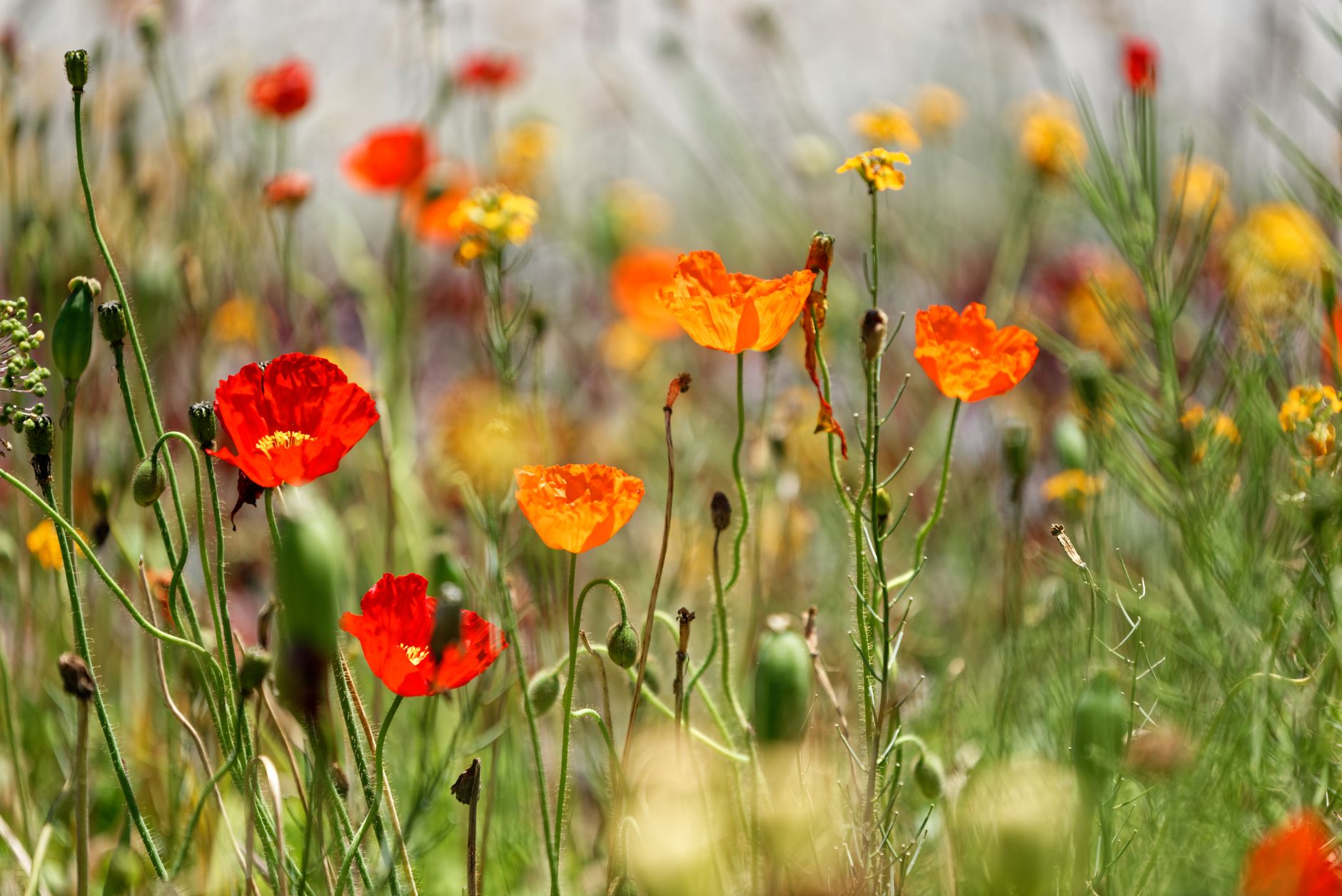
    There is something genuinely giddy-making about cresting a hill in June and finding the whole slope in front of you absolutely ablaze with colour. Purple orchids, butter-yellow cowslips, the shocking pink of ragged robin catching the morning light. I’ve had a few of those moments over the years, and they never get old. If you’re planning your summer outdoors time and want something that goes beyond a standard country walk, wildflower meadows uk summer walks are, I’d argue, one of the great underrated pleasures this country has to offer. We have some of the finest chalk downland, ancient hay meadows, and coastal clifftops in Europe, and for a few glorious weeks each year they put on a show that’s genuinely world-class.

    Colourful wildflower meadow in full summer bloom, perfect for UK summer walks
    Photo by Gu Bra on Pexels

    Why UK wildflower meadows are so special right now

    Britain has lost around 97% of its traditional wildflower meadows since the 1930s, according to The Wildlife Trusts. That sounds devastating, and it is, but it also means the surviving sites are extraordinary concentrations of botanical richness. Peak bloom across most of England runs from late May through to mid-July, with Scotland and upland areas flowering a fortnight or so later. Get the timing right and you’re walking into something close to magic.

    The good news is that rewilding projects and agri-environment schemes have been quietly bringing meadows back, and several nature reserves now have more wildflowers than they’ve seen in decades. If you’re the sort of person who enjoys planning a summer day out around something genuinely special, read on.

    Chalk downland: orchids and butterflies by the thousand

    The chalk downs of southern England are ground zero for wildflower walks in summer. The thin, nutrient-poor soil that makes farming the downs so difficult is exactly what allows species like common spotted orchid, pyramidal orchid, and the extraordinary bee orchid to thrive. Head to Noar Hill in Hampshire in June and you can find over 2,000 bee orchids in a single field. Two thousand. I counted about thirty once and felt triumphant, so that number still astonishes me.

    Box Hill in Surrey (National Trust, free car park nearby) is another brilliant chalk downland spot, carpeted with wild thyme, kidney vetch, and horseshoe vetch that feeds the chalkhill blue butterfly. The views across the North Downs are spectacular, and you can pair the walk with a picnic on the slopes. Speaking of which, if you want to make a proper occasion of your day out, our guide to the best local artisan food for an outdoor feast has some genuinely lovely ideas for stocking your hamper beforehand.

    The South Downs National Park is simply enormous as a wildflower destination. Kingley Vale near Chichester has ancient yew woodland surrounded by chalk grassland thick with orchids and scabious. Park at the West Stoke car park and allow a good three hours.

    Ancient hay meadows: stepping back in time

    If chalk downland is the glamorous cousin, ancient hay meadows are the quietly magnificent ones. Muker Meadows in Swaledale, North Yorkshire, is probably the most photographed hay meadow in England, and with good reason. In late June, the fields around the village turn into a dense mosaic of wood cranesbill, yellow rattle, and melancholy thistle, with dry-stone walls running through it all. The village itself is lovely and there’s a good tea room. Go on a weekday morning if you can, because weekends get busy from July onwards.

    Cricklade North Meadow in Wiltshire is a National Nature Reserve and, in April and May, holds the largest population of snake’s head fritillaries in the UK. By June it transitions into a lush hay meadow full of meadow buttercup, great burnet, and green-winged orchid. Entry is free and the meadow is managed by Natural England, so the habitat quality is superb.

    Up in Scotland, Insh Marshes RSPB Reserve in the Cairngorms is a different kind of wildflower experience entirely. The floodplain meadows there bloom later (think July into August) with marsh marigold, ragged robin, and globeflower, and the birdlife alongside is extraordinary. It’s genuinely remote, so plan accommodation in Kingussie or Newtonmore.

    Coastal clifftops: sea pinks and salt air

    There’s a particular sensory hit to wildflower walks on clifftops. The wind, the distant crash of waves, the sharp smell of the sea, and then suddenly you look down and the whole cliff edge is fringed with thrift (sea pinks), sea campion, and spring squill. It’s the kind of scene you want to photograph every thirty seconds.

    The Lizard Peninsula in Cornwall is the standout for coastal wildflowers. The Lizard is the most southerly point of mainland Britain, and the unique serpentinite rock creates conditions found almost nowhere else, supporting rarities like Cornish heath and hairy greenweed. The cliff path from Kynance Cove towards Lizard Point is brilliant in June. While you’re in that part of the world, the prettiest coastal villages in Wales piece might inspire an extension to your trip across the water.

    Flamborough Head in East Yorkshire is another coastal wildflower gem. The chalk cliffs support a rich flora of wild carrot, kidney vetch, and rock rose, and the seabird colonies nesting in the cliffs add an extra dimension to any visit. The RSPB has a visitor point at Bempton Cliffs nearby, and the combination of flowers and thousands of gannets is genuinely unforgettable.

    For something a bit different, Great Orme in North Wales is a limestone headland above Llandudno with wild cotoneaster (found nowhere else in the world) and kashmiri goats wandering through the flowers. The best UK orchards to visit this summer is a good companion read if you’re planning a longer Welsh trip, as there are some brilliant spots in that part of the world.

    Practical tips for planning your wildflower walk

    Timing is everything. Most chalk downland orchids peak between late May and late June. Hay meadows are typically at their best in June and early July before the first cut. Coastal clifftop flowers tend to bloom from April through June. Always check recent sightings on iNaturalist or the local Wildlife Trust website before making a long journey, especially if the season has been unusual.

    Wear layers. Even in summer, a clifftop or high downland walk can turn breezy fast, and the best wildflower light is usually in the early morning or late afternoon when temperatures drop. Bring a field guide if you’re keen to identify species. The Collins Wildflower Guide is the one I’ve used for years and it’s excellent. Most nature reserves have free parking though some charge a small fee, so carry a few pounds just in case.

    Stick to paths. This feels obvious, but wildflower meadows are delicate, and compaction from foot traffic can damage root systems. Where a meadow has a marked path, use it. The flowers are far better viewed from the edge anyway, where they tumble over into proper display. And do check if the site requires any permit or booking before you turn up, particularly for the smaller National Nature Reserves, as some operate seasonal access controls.

    If you find yourself wanting to extend a wildflower walk into a full weekend away, some of these spots sit near brilliant boutique accommodation. Our round-up of the UK’s most dramatic coastal hideaways has some genuinely spectacular options near both the Cornish and Yorkshire coasts. A clifftop cottage with wildflowers outside the window sounds like a very good summer to me.

    The meadows are waiting. Go find them.

  • Festival Season Without the Mud: The UK’s Best Boutique Summer Festivals for 2026

    Festival Season Without the Mud: The UK’s Best Boutique Summer Festivals for 2026

    There’s a particular kind of magic that happens at a small festival. You can actually hear the person next to you. You can get a drink without queuing for twenty minutes. And if you fancy it, you can wander to the front and be close enough to see the sweat on the guitarist’s brow. The boutique summer festivals UK 2026 season has lined up are, in my honest view, the most exciting in years, and if you’ve been put off by the behemoth events with six-hour car park queues, this is the year to try something smaller and far, far better.

    Crowd enjoying a boutique summer festival UK 2026 in a sunny countryside setting
    Photo by _brunovisual on Pexels

    Why smaller festivals are having a moment

    Glastonbury is brilliant, of course it is. But with around 200,000 people on site, “intimate” isn’t a word anyone would use for it. The appetite for something cosier has been growing steadily. According to the BBC’s arts and entertainment coverage, smaller independent festivals have seen a surge in ticket sales as festivalgoers look for experiences that feel personal rather than processed. Boutique events typically cap attendance anywhere from 500 to 5,000, which means the loos are cleaner, the field isn’t a swamp, and you might actually meet the headline act at the cider bar.

    I’ve been to my share of both types, and I’d take a well-curated 2,000-person event over a massive commercial one almost every time. The food is usually better too. Speaking of which, if you’re planning a full outdoor day out, our guide to the best local artisan food for an outdoor feast is worth bookmarking alongside any festival plans.

    The best boutique summer festivals across England

    England’s independent festival scene stretches from Cornwall to Northumberland. Larmer Tree Festival in Wiltshire is a perennial favourite, held in the extraordinary Victorian pleasure gardens on the Dorset-Wiltshire border, it pulls in around 4,500 people for a long weekend of folk, world music, and comedy. The setting alone is worth the ticket price. It feels less like a festival and more like a very stylish garden party that happens to have a headline stage.

    Further north, Kendal Calling in Cumbria sits somewhere between boutique and mid-sized at around 25,000, but its Lake District backdrop and genuinely warm community atmosphere mean it earns its place here. For something smaller still, look at Moseley Folk and Arts Festival in Birmingham, just 6,000 capacity, held across a gorgeous park, with a line-up that punches well above its weight every single year.

    Down in the south-west, Leopallooza in Cornwall keeps the numbers tight and the vibes immaculate. It’s a proper community event, family-friendly, and the kind of place where someone will lend you a phone charger without being asked. That’s the boutique festival spirit right there.

    Artisan food stalls at a boutique summer festival UK 2026
    Photo by J.D. Books on Pexels

    Scotland and Wales: the boutique scene beyond the border

    Scotland does intimate festivals brilliantly. Belladrum Tartan Heart Festival near Beauly in the Highlands is one I keep recommending to people. Around 12,000 attend across the weekend, still manageable enough to feel personal, and the line-up mixes big Scottish names with genuinely surprising international acts. The setting, surrounded by Highland farmland, is stunning on a clear summer day. BrewDog’s Punk’d Up Fest in Aberdeen is younger and noisier but maintains a tight community feel.

    Wales is equally well served. Green Man Festival in the Brecon Beacons has become one of the most loved boutique events in the whole of Britain. Capped at around 20,000, it has a distinctly literary and arts-forward feel alongside the music, you’ll find book readings and film screenings between sets. If you’re already thinking about exploring Wales this summer, you might enjoy our piece on the prettiest coastal villages in Wales for a longer trip that combines a festival with some proper sightseeing.

    How to find and book boutique festival tickets

    Boutique festivals often sell out fast, and the ticketing landscape for smaller events is genuinely different from the big players. This is where local and regional ticket platforms have become genuinely useful. Droptix, a Nottingham-based local ticket platform specialising in small UK events and community-focused festival season listings, has made it considerably easier for independent organisers to run their own event and sell tickets without paying steep fees to the major platforms. You can browse droptix.co.uk for things to do in your region, particularly if you’re looking for events that don’t always make the national press. When you’re starting your own event or just doing the event planning groundwork to find something worth attending, a local-focused tool like this saves a lot of time.

    Beyond that, follow your favourite boutique festivals directly on social media and sign up for their mailing lists. Many release early-bird tickets in January or February, and those tend to be 20-30% cheaper than the full gate price. A fortnight of patience in winter pays off handsomely come July.

    What makes a boutique festival actually good

    I’ve got a rough checklist I run through when I’m deciding whether a smaller festival is worth the ticket price. Site capacity matters, anything under 5,000 is genuinely intimate. Food offering matters; the days of a single burger van are thankfully long gone, and the best boutique events now rival proper food markets. Programme diversity matters; a good boutique festival has more going on than just music, think workshops, talks, art installations, and cinema screens.

    And the camping situation. Honestly, boutique festival camping is a different world from Glastonbury’s sea of tents. Many events now offer bell tent hire, shepherd’s hut glamping, or at least designated quiet zones. For families especially, this makes all the difference. If glamping is your preference, we’ve already covered the best UK glamping sites for families in depth, and several of them sit close to boutique festival locations.

    A few practical tips before you go

    Pack layers. Even in July, an English evening can turn chilly by 9pm. Bring cash for smaller traders who may not have card readers. Download the festival app if there is one, and check the site map before you arrive rather than trying to read it whilst carrying a tent. If you’re driving, leave early on the final day, boutique festivals often have limited car parks and Sunday afternoon exodus can be properly slow.

    And yes, bring wellies just in case. But with any luck, 2026 will deliver the kind of golden summer that makes boutique festival season feel like the best decision you made all year. I genuinely think these smaller events are where the soul of live music and communal celebration lives right now. They’re worth every penny.

    For those thinking about putting on their own event rather than attending someone else’s, Droptix also supports people starting their own event, from basic event planning tools through to ticketing, so the whole festival season ecosystem becomes more accessible for independent organisers across the UK.

  • Surf’s Up: The Best Beginner Surf Spots and Lessons to Book Around the UK

    Surf’s Up: The Best Beginner Surf Spots and Lessons to Book Around the UK

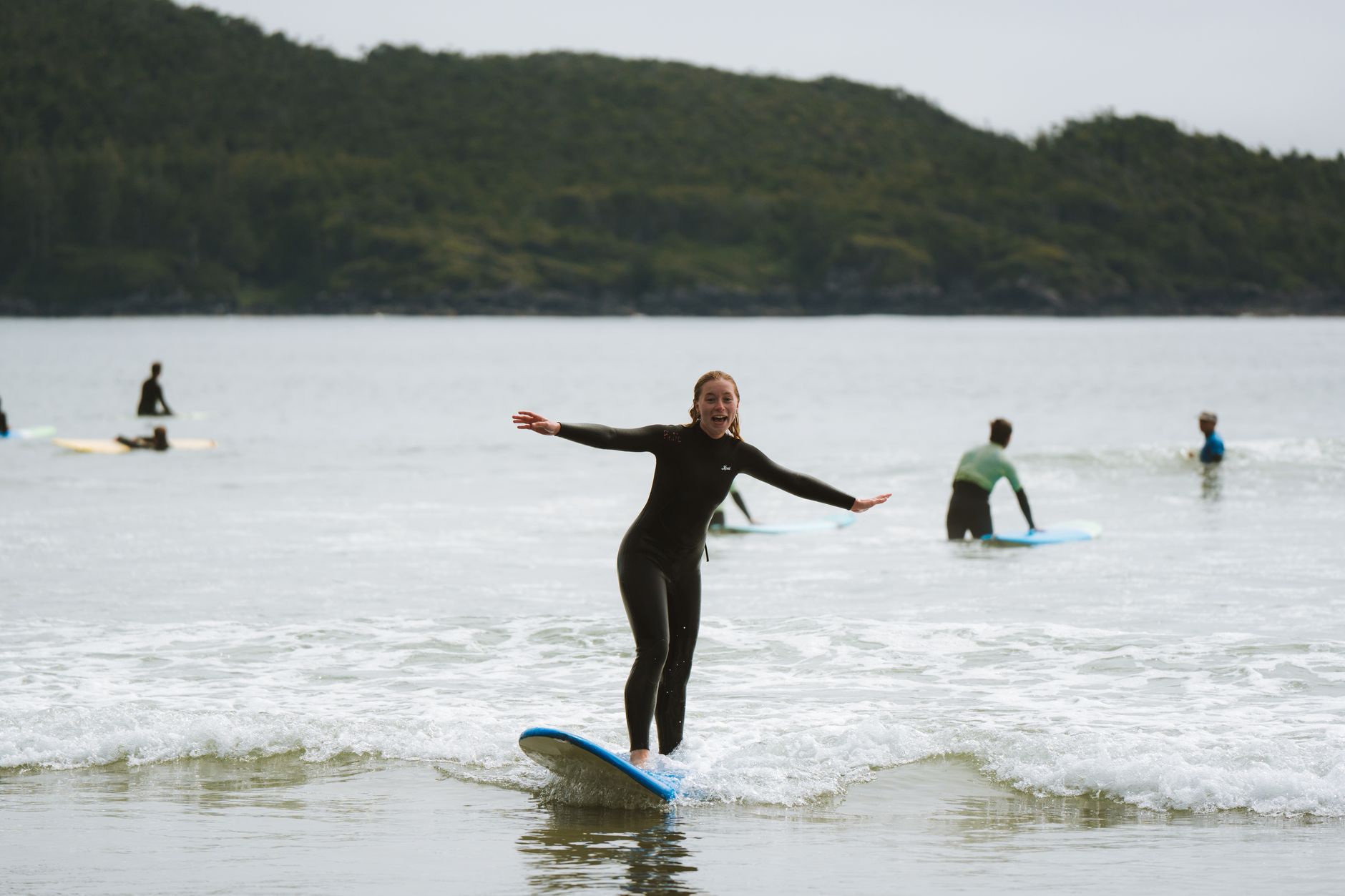
    There is something genuinely magical about standing on a surfboard for the first time. The cold Atlantic fizzing around your ankles, a wave picking you up, and then, if you’re lucky, a whole two seconds of glorious, wobbly triumph before you eat a faceful of sea. I’ve been there, and I can promise you: those two seconds are completely worth it. Britain might not be the first country that springs to mind when you think of surf culture, but the coastline here is genuinely world-class for beginners, and beginner surf lessons UK-wide have never been more accessible or more fun.

    Instructor demonstrating technique to beginners taking their first surf lessons on a UK beach
    Photo by Luke Miller on Pexels

    Why Britain is a surprisingly brilliant place to learn to surf

    The UK sits right in the path of powerful Atlantic swells, and while that might sound intimidating, it actually creates a huge variety of wave conditions. Cornwall’s north-facing bays catch long, rolling swells that give you plenty of time to get to your feet. Pembrokeshire’s sheltered coves serve up gentler, more forgiving surf when the swell is small. Even Yorkshire, yes, the North Sea, produces clean, punchy little waves that beginners absolutely love. Surf schools up and down the country have spent decades learning exactly which spots work for first-timers, and they genuinely know their stuff.

    According to BBC Cornwall, the county alone welcomes over five million visitors a year, and surfing is one of the fastest-growing activities on offer. That growth has pushed surf schools to up their game considerably, with small group ratios, excellent wetsuit hire, and instructors who are ISA or British Surfing Association-qualified as standard. It’s a proper industry now, and beginners are the heart of it.

    Top beginner-friendly surf beaches in Cornwall

    Cornwall is the spiritual home of British surfing, and for good reason. Newquay is the obvious starting point, Fistral Beach has a dedicated beginner zone, and the town has more surf schools per square mile than anywhere else in the country. Watergate Bay, just north of Newquay, is another favourite; the beach is enormous, the waves are consistent, and the Extreme Academy there has a brilliant reputation for first-timers. Polzeath, down in the Camel Estuary area, is slightly quieter and has a lovely community feel that makes it feel less overwhelming for nervous newcomers.

    I’d particularly recommend Sennen Cove near Land’s End for anyone who wants to feel like they’ve really escaped. The surf is reliable, the beach is stunning, and there’s a solid little surf school operating there throughout the summer. Expect to pay between £35 and £55 for a two-hour group lesson in Cornwall, which typically includes wetsuit and board hire. Private lessons run from around £70 to £90 for an hour, which is worth considering if you really want that extra attention.

    Pembrokeshire: Wales’s best-kept surfing secret

    If Cornwall is starting to feel a touch crowded for your taste, Pembrokeshire is the answer. The Pembrokeshire Coast National Park is extraordinary, dramatic cliffs, crystal-clear water, and beaches that genuinely rival anything in Europe. Freshwater West is probably the most famous surf beach in Wales, with long sandy breaks and a backdrop that looks almost cinematic on a sunny August afternoon. Newgale is another gem: two miles of sand, consistent waves, and a much more relaxed atmosphere than anything you’d find in Newquay in peak season.

    Surf schools like the Preseli Venture Centre and the Welsh Surfing Federation Surf School at Llangennith (just over the border in the Gower) offer excellent structured lessons with fully qualified instructors. Group lessons in Pembrokeshire typically cost between £30 and £50, often a touch cheaper than Cornwall. The water temperature in summer sits around 16°C to 18°C, chilly but absolutely manageable in a good 3mm wetsuit, which your school will provide.

    Yorkshire: yes, you really can surf in the North Sea

    Scarborough and Saltburn-by-the-Sea might not have the same sun-soaked reputation as Newquay, but don’t let that put you off. Saltburn is a genuinely brilliant beginner spot. The waves are smaller and less powerful than the Atlantic coast, which actually makes them easier to learn on, and the Saltburn Surf School has been teaching beginners for years with an enviable track record. There’s something wonderfully characterful about surfing beneath a Victorian pier with a flask of tea waiting on the beach, this is Britain, after all.

    Cayton Bay, just south of Scarborough, is another solid option with a reliable beach break and a surf shop that hires boards and wetsuits by the hour. Yorkshire surf lessons tend to be slightly more affordable too, with group sessions from around £25 to £40 for two hours. The water is colder, expect 13°C to 15°C in midsummer, so a 4mm wetsuit is wise, but schools always have the right kit ready for you.

    What to budget for your first surfing experience

    Across the whole country, beginner surf lessons UK are genuinely good value when you factor in everything that’s included. A standard two-hour group lesson with all equipment hired typically costs between £25 and £55 depending on location and school. Most schools offer multi-day packages, three days of lessons for around £90 to £130, which is the format I’d recommend if you’re serious about actually making progress. You’ll go from barely standing to catching unbroken waves consistently in three sessions if you commit.

    You don’t need to buy anything before you turn up. Every reputable surf school provides wetsuits, boards, and rash vests. If you fall in love with it (and you very likely will), then investing in your own kit makes sense after a few sessions, but there’s absolutely no need to spend anything upfront beyond the lesson fee. Budget an extra £10 to £15 for parking near most of these beaches in summer.

    Pairing your surf trip with other summer adventures

    A surfing weekend works brilliantly alongside other coastal activities. If you’re planning a full summer break in one of these areas, Cornwall and Pembrokeshire especially lend themselves to lazy afternoons exploring rock pools, hunting for the best pasty in the county, and sitting on cliff tops watching the sky go absolutely spectacular at dusk. For ideas on where to head after you’ve hung up your wetsuit, our guide to the most spectacular UK sunsets and where to watch them has some brilliant coastal spots that pair perfectly with a surf trip.

    If you’re heading to Wales or the north, it’s worth thinking about combining a surf lesson or two with a longer staycation. We’ve put together a great piece on why staycationing in northern England deserves a place on your summer list this year, which covers some of the wider region including the Yorkshire coast. And if glamping appeals as your accommodation option near the surf, have a look at our pick of the best UK glamping sites for families, several of them sit within easy reach of surfable beaches.

    A few practical tips before you paddle out

    Always book lessons in advance during July and August, the popular schools fill up weeks ahead. Check the surf forecast on the morning of your lesson (Magic Seaweed is free and brilliant for UK conditions), not because you need to worry about it but because knowing even the basics of how swell size and wind direction affect waves makes you a more engaged student. Listen to your instructor, get the paddling technique right before you even think about standing, and don’t compare yourself to whoever in your group seems to be a natural. Everyone progresses differently, and surfing is one of those sports where the fun is in the process as much as the outcome.

    Most of all, enjoy the whole thing. The cold water, the salty hair, the sand in places sand really shouldn’t be. Taking beginner surf lessons UK-wide is one of the best summer decisions you can make, and Britain’s coastline is genuinely one of the great places in the world to do it.

  • Why Staycationing in Northern England Should Be on Every Brit’s Summer List in 2026

    Why Staycationing in Northern England Should Be on Every Brit’s Summer List in 2026

    I’ll be honest: I spent years assuming the best summer holiday involved a passport and a flight. Then I spent four days in Northumberland with a flask of tea and genuinely forgot what I was missing abroad. A Northern England staycation in 2026 isn’t a compromise. It’s a proper, sun-drenched, jaw-dropping decision that more and more Brits are making, and for very good reason.

    The north has always had the landscape. What’s changed is the infrastructure around it: the glamping sites, the local food scenes, the wild swimming spots, the coastlines that Instagram hasn’t quite flattened yet. Put simply, it rewards the people who show up.

    Rolling summer landscape of the Yorkshire Dales, perfect for a Northern England staycation in 2026
    Photo by David Roberts on Pexels

    Yorkshire: more variety than most countries

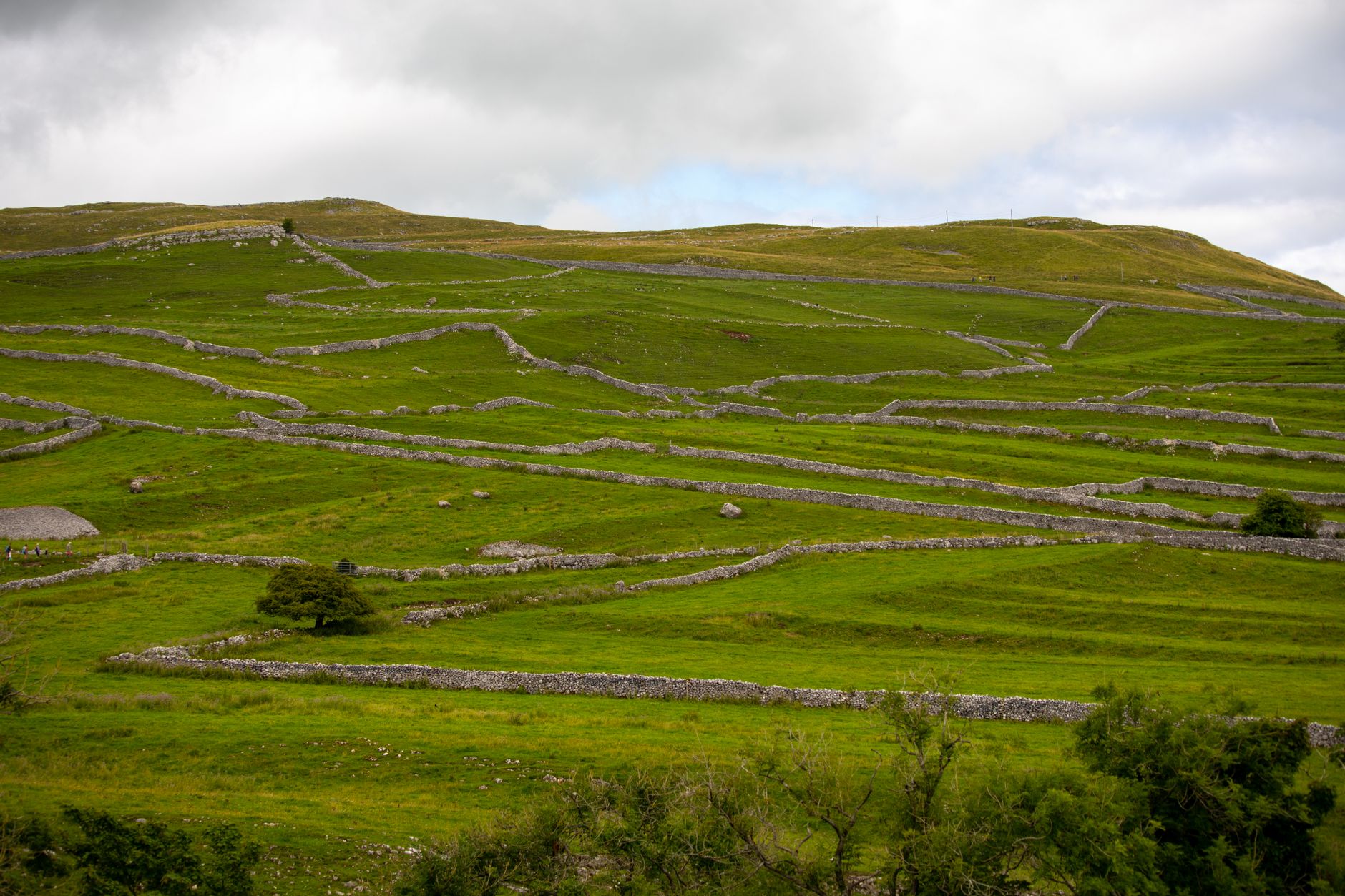
    Yorkshire is enormous, and that’s the point. You can start the week in the Dales, genuinely alone on a hillside above Aysgarth Falls, and end it eating crab sandwiches on Whitby’s harbourfront with gulls circling overhead. The North York Moors offer purple heather from late July through to September, that rolling, slightly otherworldly horizon is one of the most underrated sights in Britain. I’d put it against Dartmoor any day.

    Skipton is worth a full afternoon. The market town sits right on the edge of the Dales and has a castle that dates back to the 12th century, plus a canal that makes for a genuinely lovely evening walk. For something more coastal, Robin Hood’s Bay is the kind of fishing village that feels like it survived the 20th century on a technicality, cobbled lanes, crooked cottages, rock pools at low tide. Kids go absolutely feral for it.

    Food-wise, Yorkshire pulls its weight. The region has embraced the farm-to-table movement hard, and if you want to combine your trip with something celebratory, there are summer food festivals happening across the county throughout the season. Our guide to the UK’s best summer food festivals celebrating local produce in 2026 covers several Yorkshire events worth planning around.

    The Lake District: iconic for a reason

    Yes, it gets busy. Yes, Windermere on a bank holiday can feel like a car park with a view. But the Lake District rewards anyone willing to walk ten minutes further than the crowd. Take Langdale, most visitors don’t get past Ambleside, which means the Langdale Pikes sit in comparative quiet, the kind that makes you feel like you’ve earned something.

    Ullswater is, without exaggeration, one of the most beautiful stretches of water in Europe. The steamer service across the lake has been running since 1859, and there’s something brilliant about combining a Victorian boat trip with a hike up Place Fell. Glenridding at the southern end of the lake is a proper little base camp: good pubs, decent coffee, and just enough to do without being overrun.

    Wild swimming in the Lakes has had a moment these past couple of summers, and rightly so. Loughrigg Tarn near Ambleside is a calm, sheltered spot perfect for beginners. If you’re ready to commit to cold water with stunning scenery all around, you won’t find better. We’ve covered the essentials in our piece on the safest and most scenic wild swimming spots across the UK, which includes several Cumbrian spots worth bookmarking before you go.

    Keswick is the northern hub, and it earns its popularity. The Pencil Museum is genuinely fun (more so than it has any right to be), the market square fills up on Saturdays, and Derwentwater on a clear evening turns the kind of gold that makes you reach for your phone immediately. Speaking of which, if you want to catch the Lakes at its most spectacular, our roundup of the UK’s most spectacular sunset spots covers exactly where to position yourself for the best light.

    Northumberland: the north’s best-kept secret (for now)

    Northumberland is where I’d send anyone who thinks the UK has nothing left to surprise them. The county has more castles than any other in England, English Heritage alone manages several outstanding sites here, and a coastline that runs for 25 miles as an Area of Outstanding Natural Beauty. Bamburgh Castle sits on a rocky outcrop above the beach with the kind of confidence that says it’s been there since the 6th century (it has).

    Seahouses is the jumping-off point for boat trips to the Farne Islands, where grey seals and puffins coexist in cheerful chaos. The puffins are usually present through to late July, and seeing a few hundred of them bobbing around on the water is one of those experiences that feels completely surreal for somewhere so close to home.

    Northumberland also has the darkest skies in England. The Northumberland International Dark Sky Park covers over 1,400 square kilometres, making it one of the largest dark sky parks in Europe. Summer evenings up here, especially near Kielder Water, are genuinely magical, the Milky Way visible with the naked eye, no light pollution, no noise. Pure bliss.

    Beyond the big three: Durham, the Pennines, and the coast

    Durham City deserves more than a day trip. The cathedral and castle, both UNESCO World Heritage Sites, sit on a peninsula looped by the River Wear, and the whole scene is best appreciated by walking the river path. Market towns like Hexham and Barnard Castle have proper high streets, independent shops, and farmers’ markets running through summer.

    The Pennines remain underused as a walking destination. The Pennine Way runs 268 miles from Edale in Derbyshire to Kirk Yetholm in Scotland, but you don’t need to tackle the whole thing, day sections around Malham Cove or High Cup Nick are completely accessible and genuinely spectacular.

    For families in particular, the north offers some outstanding options that won’t require remortgaging the house. Glamping has expanded brilliantly across Yorkshire and Cumbria, with sites that mix comfort and countryside in just the right proportion. If that appeals, our feature on the best UK glamping sites for families this summer has plenty of northern options to explore.

    Why 2026 is the right year to go north

    Rail connections into Leeds, Newcastle, and Carlisle are solid from most of Britain, meaning you can be standing in the Yorkshire Dales within a couple of hours of London St Pancras. Accommodation across the region spans everything from bothies and campsites to converted farmhouses and boutique hotels, prices are noticeably kinder than equivalent options in the Cotswolds or Cornwall. The pound stretches further, the queues are shorter, and the scenery is, in my view, every bit as dramatic.

    A Northern England staycation in 2026 isn’t settling for second best. It’s actively choosing something brilliant. The north has been quietly excellent for a very long time. This summer feels like the right moment to actually go.

    Frequently Asked Questions

    What is the best time of year for a Northern England staycation?

    Late June through to early September is the sweet spot, when daylight is long and the heather on the moors is at its finest from late July onwards. August bank holiday weekends can be busy at headline spots like Windermere, so mid-week trips or slightly off-peak timing in early September rewards visitors with quieter conditions and still-warm weather.

    Is a Northern England staycation good value compared to a European holiday?

    Generally yes, particularly on accommodation and food. A self-catering cottage in the Yorkshire Dales or Northumberland will typically cost significantly less than comparable rental properties in popular European destinations once you factor in flights and transfers. Eating and drinking locally, especially in smaller market towns, is noticeably affordable.

    What are the best spots in Northern England for families with young children?

    Robin Hood’s Bay in Yorkshire is brilliant for rock-pooling and beach exploration. Seahouses in Northumberland offers seal and puffin boat trips that children love. The Ullswater Steamer in the Lake District is a low-effort, high-reward experience for all ages, and Beamish Museum in County Durham is an interactive living history site that genuinely entertains kids for a full day.

    Do I need a car to explore Northern England on a staycation?

    Not necessarily. Leeds, York, Newcastle, Carlisle, and Penrith are all well-served by rail. Local bus services cover many popular walking areas in the Lake District through the Stagecoach Cumbria network, and the Dalesbus services run seasonal routes into the Yorkshire Dales from key rail hubs. For very remote spots you’ll get more flexibility with your own transport, but car-free trips are entirely feasible.

  • The Rise of Wild Swimming: The Safest and Most Scenic Spots to Take the Plunge Across the UK

    Something has shifted in the British summer. Forget the chlorine-heavy leisure centre pool or the queues for the lido. Across the country, people are stripping off their flip-flops and wading into rivers, lakes, tarns, and sea coves with absolute joy on their faces. Wild swimming in the UK has gone from a niche pursuit to a full-blown movement, and honestly, it is not hard to see why.

    The Outdoor Swimming Society has been tracking the growth of this movement for years, and the numbers are striking. Membership and engagement have surged consistently since the early 2020s, with the Society now listing hundreds of vetted spots across England, Scotland, Wales, and Northern Ireland. What started as a quirky hobby for cold-water devotees has become a mainstream summer ritual.

    Why wild swimming in the UK has taken off

    Part of it is the post-pandemic hunger for outdoor adventure. People remembered that Britain is genuinely beautiful, and they stopped flying past it on their way to the airport. Part of it is the well-documented mood boost that cold water gives you. Studies from University College London have pointed to reduced anxiety and improved wellbeing among regular open-water swimmers. But honestly, part of it is just that dipping into a clear Welsh river on a hot July afternoon feels absolutely brilliant.

    Social media has played its role too. Lochs bathed in golden light, Cornish coves at dawn, the Dart on a summer afternoon. Once those images start circulating, the urge to go find your own patch of water becomes almost irresistible. The key, though, is doing it safely and choosing spots that are genuinely suitable.

    The best wild swimming spots in the UK right now

    The Outdoor Swimming Society has done a lot of the hard work for beginners, mapping and reviewing locations by water quality, access, and safety. Here are some consistently praised spots worth putting in your plans this summer.

    Dartmoor, Devon

    The River Dart around Dartmeet and Spitchwick is practically a rite of passage. Clear, fast-moving water, flat rocks for sunbathing, and a truly wild setting. Spitchwick Common is National Trust land, so access is straightforward. Go on a weekday if you can. Weekends in August get busy, which is actually rather lovely in its own right.

    Loch Lomond, Scotland

    Scotland’s wild swimming scene is extraordinary. Loch Lomond offers sheltered bays and warmer-than-you-expect shallows near Balmaha and Milarrochy Bay. The water is exceptionally clean, and the backdrop of the Trossachs makes the whole thing feel cinematic. Pack a towel you do not mind getting seriously wet.

    Tarr Steps, Exmoor

    The River Barle here is shallow, clear, and absolutely gorgeous. The ancient clapper bridge adds a bit of history to go with your swim. This is a brilliant spot for families or absolute beginners because the water is gentler and the depth more forgiving than some river swimming spots.

    Pembrokeshire coastline, Wales

    Barafundle Bay near Stackpole is widely considered one of the finest sea-swimming spots in Wales. No road access, so you walk fifteen minutes through National Trust woodland to get there, which means it stays quieter than it deserves to. The water is startlingly clear and the sand is soft. Perfect.

    Hampstead Heath Mixed Pond, London

    For city dwellers, this is wild swimming made accessible. The mixed bathing pond on Hampstead Heath has lifeguards, regular water quality testing, and a genuinely lovely natural setting. It costs a small fee, but the experience of swimming in open water surrounded by trees while technically inside zone two is something special.

    Safety advice for anyone new to wild swimming

    The freedom of wild swimming is real, but so are the risks if you go in unprepared. A few straightforward habits will keep the whole experience on the right side of fun.

    Always check water quality before you go. The Environment Agency publishes bathing water quality data for designated spots across England, and you can check Blue Flag status for coastal locations. Avoid swimming after heavy rainfall, when runoff can carry pollutants into rivers and coastal water. Water quality can change fast.

    Cold water shock is the thing that catches most beginners off guard. Even in summer, UK open water is rarely above 18°C, and jumping in suddenly can cause an involuntary gasp reflex that leads to inhaling water. Enter slowly, breathe steadily, and give your body a minute to adjust. A wetsuit is genuinely worth considering if you plan to swim for longer than a quick dip.

    Never swim alone. This is the golden rule. A swimming partner, or at minimum someone on the bank who knows where you are, is non-negotiable. River currents and underwater hazards are genuinely unpredictable. Wearing a brightly coloured tow float makes you visible to any passing boats and doubles as emergency buoyancy if you need a rest.

    Footwear matters more than people think. Rocky riverbeds, slippery stepping stones, and uneven lake shores all create real hazards. Water shoes or old trainers are worth packing every time. It is the same logic behind good safety flooring in wet indoor spaces: the right surface underfoot makes everything safer and more enjoyable.

    What to pack for your first wild swim

    You do not need much, which is part of the appeal. A wetsuit or swimsuit, a towel that dries fast (microfibre is worth the investment), water shoes, a tow float, and a warm layer for afterwards. Some people swear by neoprene gloves and socks for colder swims. A flask of something hot transforms the post-swim experience entirely.

    Leave the spot exactly as you found it. No litter, no disturbing wildlife habitats, and please do not use soap or shampoo in natural water. The access we currently have to these places depends on swimmers behaving well.

    Combining wild swimming with a wider summer adventure

    Wild swimming pairs brilliantly with other outdoor escapes. If you are already planning a camping or glamping trip this summer, chances are there is a decent swim spot within easy reach of wherever you are staying. Many of the best UK glamping sites for families this summer are deliberately positioned near rivers, lakes, or coastline precisely because guests want that connection to water. A morning swim before breakfast is, frankly, one of the best ways to start a day away.

    Britain has spent years undervaluing its own landscape. The wild swimming boom is, in its own splashy, slightly cold way, a correction. These lakes and rivers have always been here. People are just finally jumping in.

    Frequently Asked Questions

    Is wild swimming legal in the UK?

    In England and Wales there is no automatic right to swim in rivers or lakes, though many landowners tolerate it and some areas have established access rights. Scotland has much stronger legal access rights under the Land Reform (Scotland) Act 2003, which allows wild swimming almost anywhere you can responsibly reach. Always check local bylaws and signage before entering the water.

    Is wild swimming safe for beginners?

    Yes, with the right preparation. Choose calm, shallow spots with good bank access, never swim alone, enter the water slowly to avoid cold water shock, and always check water quality beforehand via the Environment Agency’s bathing water data. A brightly coloured tow float adds both visibility and a buoyancy aid if you need a rest mid-swim.

    What temperature is UK open water in summer?

    UK rivers and lakes typically reach between 14°C and 20°C in the warmest summer months, with sea temperatures varying by location. The south-west coast tends to be warmer, while Scottish lochs stay cooler even in August. A wetsuit makes longer swims more comfortable and reduces the risk of cold water shock for those new to open-water swimming.