

There is something about standing up on a surfboard for the first time that feels completely out of reach, right up until the moment you actually do it. I had my first lesson on a grey Tuesday morning in Newquay about four years ago, convinced I would spend the entire hour face-planting into the Atlantic. Reader, I stood up on my third wave. That feeling has never quite left me. If you have been toying with the idea of giving it a go this summer, the good news is that the UK is genuinely brilliant for beginners. Between the warm welcome of structured surf schools and some surprisingly punchy Atlantic swell, there is no better time to paddle out than right now.
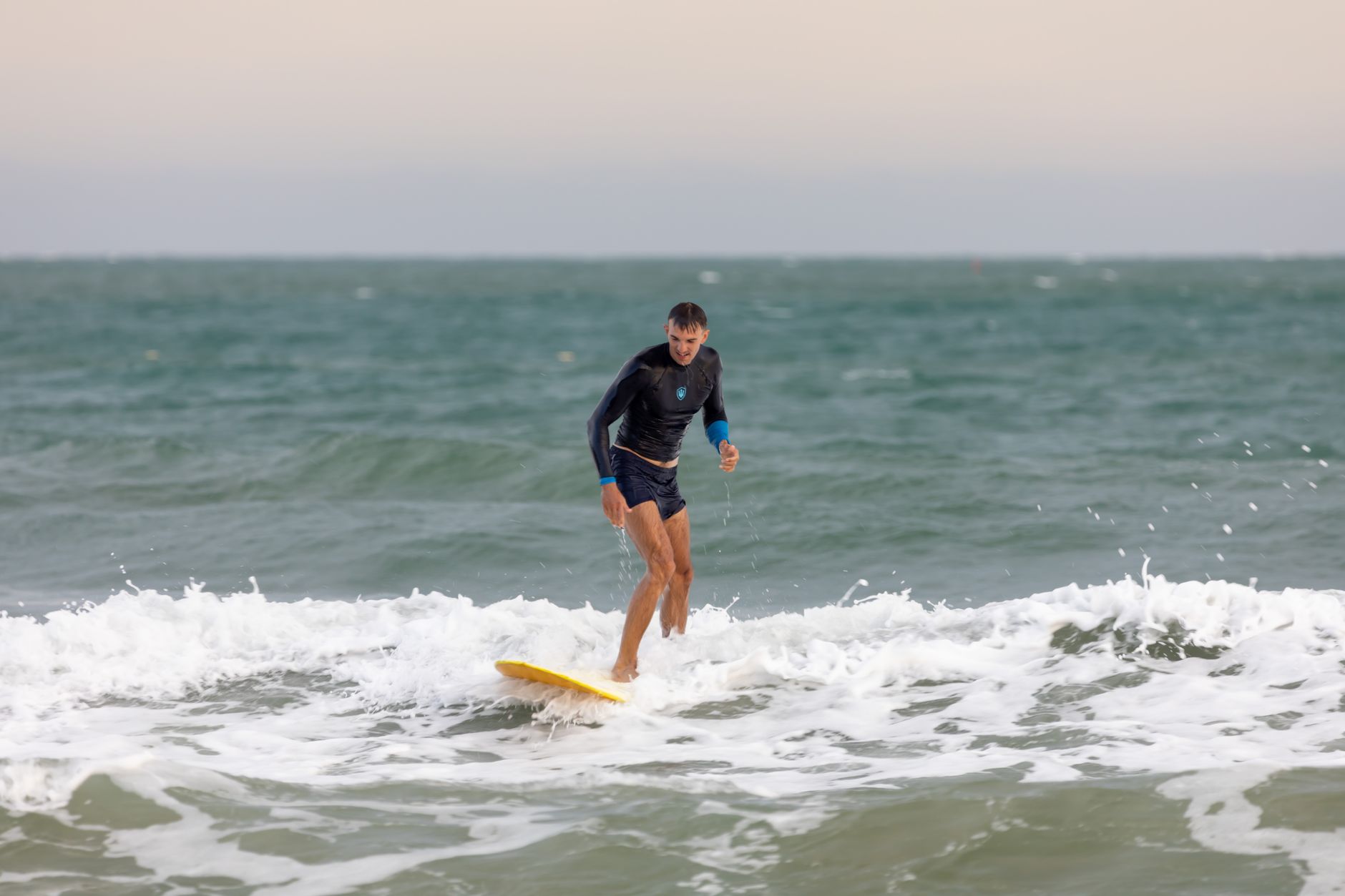
Why the UK is a great place to start surfing
People tend to assume that learning to surf means booking a flight to Bali or Portugal. In reality, the UK coastline has everything a beginner needs: consistent small-to-medium waves, a well-established network of surf schools with qualified instructors, and beaches that are far less crowded than the world-famous spots you see in magazines. According to BBC Sport, interest in surfing in the UK has grown steadily over the past decade, and registered surf schools now operate from Cornwall all the way up to the Scottish islands. The sport has never been more accessible.
UK surf schools for beginners in 2026 typically run sessions through April to October, though the hardcore regulars will tell you that winter waves are the best. Start with summer. The water is warmer, the instructors are in good spirits, and you will have a much better time.
The best beaches for beginner surf lessons in the UK
Not all beaches are equal for learning. You want long, rolling waves with a sandy bottom, and you want a beach that has a recognised surf school operating from it. Here are the spots I would point any first-timer towards.
Fistral Beach and Towan Beach, Newquay, Cornwall
Newquay is the obvious starting point, and it earns that reputation honestly. Fistral is one of the most famous surf beaches in Europe, but it is Towan and Great Western beaches where most beginner lessons take place, slightly more sheltered, with softer waves. Schools like Escape Surf School and Newquay Activity Centre have been running lessons here for years, with group sessions typically costing between £35 and £50 per person for a two-hour lesson. All kit is provided, including a wetsuit.
Croyde Bay, North Devon
Croyde has a proper surf-village feel. The main beach produces some of the most consistent beach break in England, and it attracts a devoted crowd of surfers who have been coming since they were teenagers. Surf South West and iSurf run structured beginner programmes here, and the village itself is genuinely lovely for an overnight stay. Expect to pay around £40 for a two-hour group lesson.
Freshwater West, Pembrokeshire
This is the one people forget about, and that is precisely why I love it. Freshwater West on the Pembrokeshire coast is wide, wild, and produces excellent Atlantic swell. The West Wales Surf School operates here and offers proper Learn to Surf programmes across the summer. It is also one of the most beautiful beaches in the UK, full stop. If you are already planning a trip to Wales, it pairs brilliantly with a visit to some of the prettiest hidden coastal villages on the Welsh coast.
Tiree, Inner Hebrides, Scotland
For something genuinely different, Tiree is in a league of its own. The island gets more hours of sunshine than almost anywhere else in Scotland, the beaches are white-sand perfection, and the Atlantic swell that wraps around the island is consistent and well-suited to beginners once you are past the intimidation of getting there. The Blackhouse Watersports centre on the island runs surf lessons throughout summer. It is a proper adventure, combine it with a few nights of dark-sky camping for an unforgettable trip (our guide to the best dark sky campsites in the UK has some Scottish gems worth knowing about).
What to wear and what to bring to your first surf lesson
Every UK surf school will provide a wetsuit and a foam surfboard as standard, do not turn up with your own board on your first day, you do not need it. The foam boards used in lessons are big, buoyant, and forgiving, which is exactly what a beginner needs.
Wear a swimsuit or shorts underneath your wetsuit. Bring a towel, a change of clothes, and some kind of bag you do not mind getting sandy. Waterproof sunscreen rated SPF 30 or higher is non-negotiable, even on overcast days, reflected UV off water and sand catches people out constantly. Flip-flops or sandals for walking across the car park to the beach are a good shout. That is genuinely all you need.
A few schools now offer rash vests as part of their kit hire, which protect your skin from wetsuit chafing. Ask when you book. If you are particularly tall or have an unusual body shape, ring ahead and let them know so they can set aside a better-fitting wetsuit.
What actually happens during a beginner surf lesson
Most two-hour beginner sessions follow a similar structure. You start on the beach with your instructor running through the basics: how to lie on the board, how to paddle, and the pop-up technique, that is the move where you go from lying flat to standing. It looks straightforward on the sand. In the water, it feels like controlled chaos. Stick with it.
The instructor will walk into the water with the group and help push you onto waves at first. This takes the timing pressure off completely, which is genuinely helpful. By the end of two hours, most people have stood up at least once. Some people get it in the first twenty minutes; others take the whole session. Both are completely fine.
Group lessons typically have a ratio of around one instructor to six students, which is the standard ratio recommended by Surfing England. Private lessons cost more (expect £60 to £90 for a one-hour private) but give you much faster progression if budget allows.
Average costs at UK surf schools for beginners in 2026
Prices have crept up since 2023, but they remain reasonable for what you get. A two-hour group lesson with all equipment included runs between £35 and £55 at most UK surf schools. Week-long surf camps aimed at complete beginners tend to cost £300 to £450 all-in, which often includes accommodation in a surf lodge. That represents solid value, particularly if you factor in how much you would pay for equivalent instruction elsewhere in Europe once flights and hotels are added.
Some schools offer multi-lesson packs, three sessions for the price of two, for example, which are worth asking about if you are planning to stay in the area for several days. If you are heading somewhere like Newquay for a week’s holiday, booking three lessons across the week is a much better route to actual progress than cramming everything into one day.
A few things I wish someone had told me before my first lesson
Drink water before you go in. Paddling is surprisingly exhausting and you will not realise how dehydrated you are getting until you are back on the beach. Arms like lead and a mild headache are entirely avoidable.
Do not watch other people in the water and compare yourself. The person doing aerials further out has probably been surfing for fifteen years. Stay in your lane, literally and figuratively, and focus on what your instructor is telling you.
Finally, if the ocean is looking rough on your lesson day, trust the school. Good surf schools watch conditions carefully and will reschedule rather than put beginners in dangerous water. Surfing England maintains standards for all accredited schools, so if a school is affiliated, the safety protocols are solid.
The UK surf school scene in 2026 is in excellent shape. Whether you end up on a Cornish beach or the Atlantic edge of a Scottish island, the experience of riding your first proper wave is something you will be talking about for a long time. Pack the suncream, book the lesson, and go.
Frequently Asked Questions
How much do beginner surf lessons cost at UK surf schools in 2026?
A two-hour group lesson with all equipment provided typically costs between £35 and £55. Private one-hour lessons run from £60 to £90. Week-long beginner surf camps with accommodation range from around £300 to £450.
What age do you need to be to take surf lessons in the UK?
Most UK surf schools accept beginners from around age 7 or 8 upwards, with specific junior and family lesson sessions available. Adults of all ages can learn, there is genuinely no upper limit, and many surf schools cater specifically to older beginners.
Do I need to bring my own wetsuit or surfboard to a UK surf lesson?
No. Every reputable UK surf school includes a wetsuit and a foam beginner surfboard in the lesson price. Just bring a swimsuit or shorts to wear underneath, a towel, and waterproof sunscreen.
Which UK beaches are best for complete beginners learning to surf?
Towan and Great Western beaches in Newquay, Croyde Bay in North Devon, and Freshwater West in Pembrokeshire are all excellent for beginners, offering consistent small waves and established surf schools. Tiree in Scotland is brilliant for a more adventurous option.
Is it safe to learn to surf in the UK sea?
Yes, provided you use an accredited surf school. Surfing England-affiliated schools follow strict safety guidelines, including appropriate student-to-instructor ratios and daily monitoring of sea conditions. Schools will always reschedule if conditions are unsafe for beginners.
Leave a Reply