Author: Robby

  • Barefoot and Happy: The UK’s Best Sandy Beaches That Are Dog-Friendly All Summer Long

    Barefoot and Happy: The UK’s Best Sandy Beaches That Are Dog-Friendly All Summer Long

    There is nothing quite like watching a dog sprint across wet sand, ears flapping, completely lost to joy. If you’ve been caught out by a seasonal ban sign nailed to a beach post before, you’ll know how quickly that joy can evaporate. The UK coastline has hundreds of gorgeous sandy stretches, but between June and September many of them are off-limits to dogs, or restricted to a narrow strip that barely fits a bucket and spade. The good news? Genuinely dog-friendly beaches UK summer 2026 has available are more plentiful than people think, you just need to know where to look. I’ve spent a fair bit of time researching this, and I’ve listed some of the best below, with practical detail on where to park, what the access is actually like, and where to reward yourself (and your dog) afterwards.

    Dog running freely on a dog friendly beach UK summer 2026 morning
    Photo by Daniel Torobekov on Pexels

    Why seasonal bans exist and how to work around them

    Seasonal restrictions typically run from 1 May to 30 September and are set by local councils under Public Spaces Protection Orders. They apply to specific designated sections of a beach, not always the whole thing. The key is checking the exact zone covered, because a beach marked as having restrictions might have a completely free section just two hundred metres further along. The gov.uk local council finder lets you track down the specific authority managing any given beach and check their current bylaws before you head off. I’d always recommend doing that before packing the lead and the towels, especially if it’s a long drive.

    Dog friendly beaches UK summer 2026: our top picks

    Holkham Beach, Norfolk

    Holkham is one of those places that makes you feel lucky to live on this island. It’s vast, backed by ancient pine woods, and dogs are welcome across the entire beach all year round, including peak summer. Parking is at Lady Anne’s Drive in Wells-next-the-Sea (NR23 1AB) and costs around £6 for a full day. The walk through the pines to reach the sand is half the fun, especially early morning when the light is extraordinary. Afterwards, the Victoria Inn in Holkham village is a proper dog-welcoming pub with water bowls at the door and a menu worth lingering over.

    Daymer Bay, Cornwall

    While Polzeath and Rock get crowded, Daymer Bay stays calmer and dogs are allowed on the beach all year. It’s a sheltered estuary spot near Trebetherick with relatively easy access from the car park off the B3314. The sand is fine and the swimming is gentle, which suits dogs who like to paddle rather than battle Atlantic surf. For a post-beach flat white and a slice of something good, Rock Bakery in nearby Rock is firmly dog-friendly.

    Portobello Beach, Edinburgh

    If you’re heading to Scotland, Portobello is Edinburgh’s own sandy beach and dogs are welcome along the full stretch all summer. It’s only twenty minutes from the city centre by bus, and there’s on-street parking along the promenade. The café culture here is brilliant: Pintxos Bar on the prom welcomes dogs, and so do several of the independent coffee shops that have sprung up along Bath Street.

    Studland Bay, Dorset

    Part of the Jurassic Coast World Heritage Site, Studland has four beaches. The northernmost section, Knoll Beach, allows dogs all year. The National Trust car park at Knoll Beach (BH19 3AH) is the easiest entry point, though it does fill quickly in July and August, so aim to arrive before 9am if you want a good spot. The Shell Bay area is also worth exploring. The National Trust café at Knoll Beach is dog-friendly in its outdoor seating area, and the Bankes Arms in nearby Studland village is a cracking choice for lunch.

    Croyde Bay, Devon

    Croyde is a surfer’s village, and the beach welcomes dogs on the northern section all year. The main car park on Moor Lane charges around £7 for a day in summer. Dogs tend to love it here, partly because there’s almost always something interesting happening at the water’s edge. If you fancy trying the waves yourself while your partner or a friend keeps the dog company, our beginner’s guide to UK surf schools has some great options nearby. The Thatch pub in the village is legendary for a reason, and they welcome dogs in the bar.

    Bamburgh Beach, Northumberland

    Few beaches in England are as visually dramatic as Bamburgh, with the castle sitting above the dunes like something from a film set. Dogs are permitted on the beach year-round, and the open space is so vast you could walk for an hour without feeling crowded even at peak summer. Parking is in the village (NE69 7BL) and costs around £4 for a few hours. The Potted Lobster restaurant welcomes dogs outside, and there are several tea rooms in the village that will happily let your dog sit beside you at an outdoor table.

    Three Cliffs Bay, Gower Peninsula, Wales

    No seasonal dog ban here, and the payoff is one of the most photogenic beaches in Britain. There is a small car park at Penmaen off the B4271, but it fills fast, and there’s a twenty-minute walk down to the beach itself, across a ford. Not ideal if your dog is ancient, but brilliant if they’re full of energy. No café right at the beach, but the King Arthur Hotel in Reynoldston is a short drive away and happily takes dogs in the bar.

    What to bring for a summer beach day with your dog

    Fresh water is essential. Sand and salt make dogs thirsty fast, and not every beach café will have a bowl out. I carry a collapsible silicone bowl and a litre bottle of tap water as standard. Shade matters more than people realise: if you’re settling in for a full day, bring a beach parasol or windbreak so your dog has somewhere to cool off. Paw-checking at the end of the day is worth the five seconds it takes, particularly on pebbly transitions where small cuts can go unnoticed.

    If the beach visit is part of a longer summer trip and you’re thinking about costs, our guide on planning a brilliant UK staycation for under £500 has some useful budget-stretching ideas, many of which work perfectly well for dog-owning families.

    Planning the full day out

    The best dog-friendly days I’ve had have been the ones with a loose plan rather than a tight itinerary. Beach in the morning, a proper lunch somewhere that welcomes the dog indoors or at covered outdoor seating, and then a gentle afternoon walk or wander. The UK coastal pub lunch is genuinely one of the great summer pleasures, and most of the beaches above have a good option within a short walk or drive.

    For those who want to combine a coastal trip with other outdoor adventures, our article on wildflower meadow walks across the UK pairs well with any of the northern picks above, especially Northumberland and the Yorkshire coast. Dogs are welcome in most nature reserves as long as they’re kept on a lead during nesting season, which runs roughly to the end of July.

    So pack the towel, grab the lead, and pick a stretch of sand that won’t turn you away at the gate. There are brilliant dog friendly beaches UK summer 2026 is offering across every corner of the coastline, you just need to find the ones the ban signs are nowhere near.

    Frequently Asked Questions

    Which UK beaches allow dogs all summer with no seasonal restrictions?

    Holkham in Norfolk, Bamburgh in Northumberland, Portobello in Edinburgh, and Daymer Bay in Cornwall all permit dogs year-round with no seasonal ban. Always check with the local council before visiting, as bylaws can change between seasons.

    When do seasonal dog bans on UK beaches start and end?

    Most seasonal dog bans in England and Wales run from 1 May to 30 September each year, though some councils use slightly different dates. Restrictions are set under Public Spaces Protection Orders and apply only to specific designated zones, so part of a beach may still be accessible even when a ban is in place.

    How do I find out if a specific UK beach bans dogs in summer?

    Use the gov.uk local council finder to identify the authority responsible for the beach, then check their website for beach bylaws and Public Spaces Protection Orders. Signs at beach car parks and access points should also indicate restricted zones.

    Are there dog-friendly cafés and pubs near the main dog-friendly beaches?

    Yes, most of the beaches listed in this guide have dog-welcoming options nearby. The Victoria Inn at Holkham, the Bankes Arms at Studland, the Thatch at Croyde, and the King Arthur Hotel on the Gower are all known for welcoming dogs inside or in covered outdoor areas.

    What should I bring for my dog on a UK summer beach trip?

    Fresh water and a collapsible bowl are the most important items, as sea water and sand dehydrate dogs quickly. A parasol or windbreak gives them shade during the hottest part of the day, and it’s worth checking their paws at the end for small cuts or irritation from pebbles and salt.
  • Lighthouse Stays in the UK: The Most Magical Converted Lighthouses to Book This Summer

    Lighthouse Stays in the UK: The Most Magical Converted Lighthouses to Book This Summer

    There is something genuinely thrilling about sleeping inside a lighthouse. Not in a vague, romantic-notion kind of way, but the real thing: waking up with sea spray on the windows, the beam of light long since decommissioned but the tower still standing proud over the cliffs. Lighthouse stays in the UK have quietly become one of the most sought-after short breaks in the country, and honestly, once you experience one, a standard B&B just doesn’t cut it anymore. I stayed at a converted lighthouse on the Northumberland coast a couple of summers ago and I’ve been banging on about it ever since.

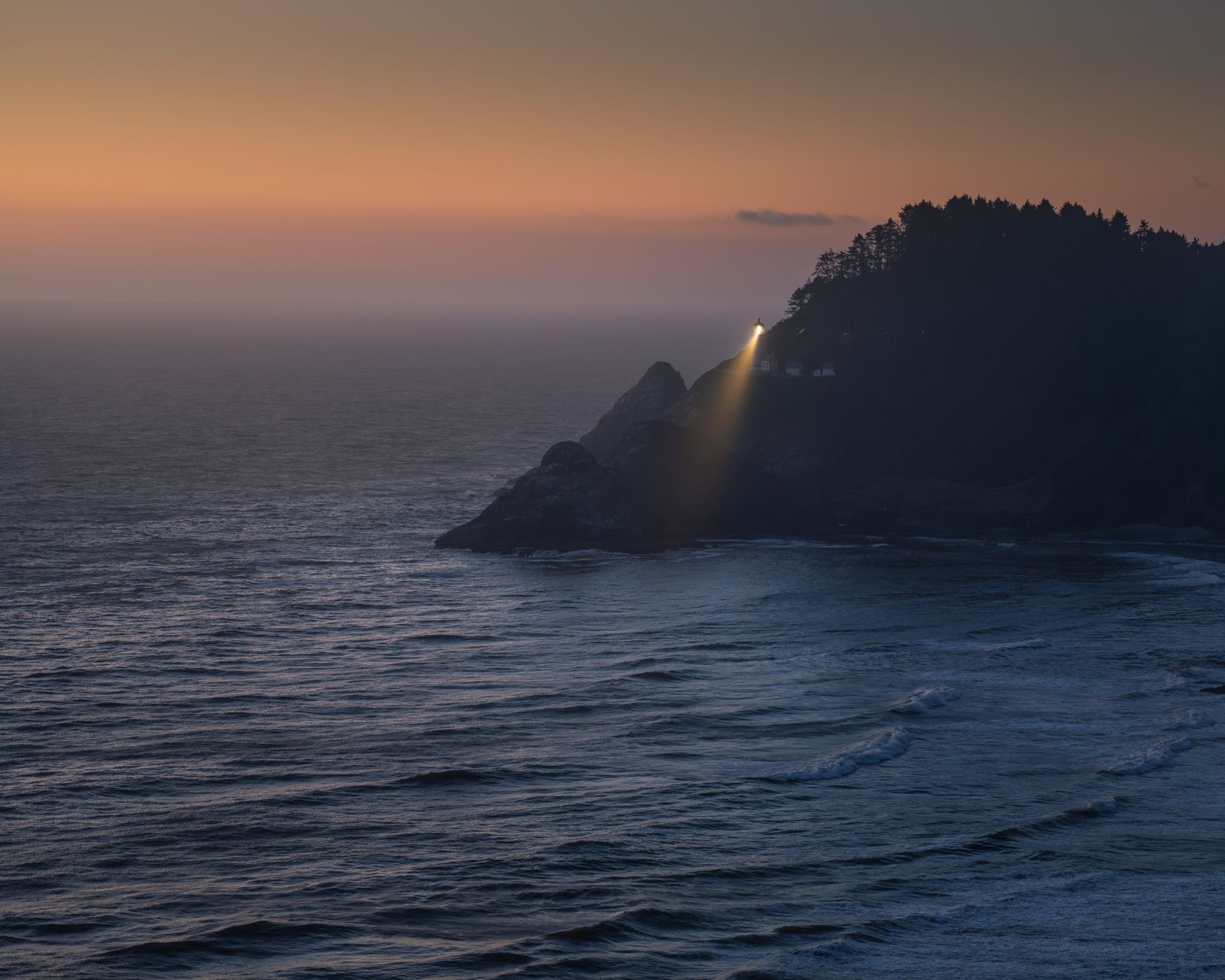
    Converted lighthouse on coastal cliffs at sunset, ideal for lighthouse stays UK
    Photo by Guduru Ajay bhargav on Pexels

    The good news is that the UK’s coastline is dotted with former working lighthouses that have been lovingly converted into holiday lets, many managed by the Trinity House charity or independent owners. The less good news? They book out fast, especially for summer. Here’s what I’d recommend for 2026, and a few practical tips for actually securing one before the rest of the country gets there first.

    Why lighthouse stays UK are having a real moment

    Short breaks in unusual accommodation have been growing steadily since the early 2020s. Treehouses, shepherd’s huts, converted windmills, they’ve all had their time in the sun. But lighthouses feel different. The isolation is real, not manufactured. You are genuinely on the edge of somewhere, often without a shop for miles, and that remoteness is the whole point. Coastal tourism in the UK brings in billions annually, and increasingly, travellers want an experience rather than just a bed for the night. Converted lighthouses deliver that in abundance.

    The best lighthouse stays to book right now

    Burnham-on-Sea Low Lighthouse, Somerset

    This one is genuinely unusual. The Low Lighthouse at Burnham-on-Sea stands on stilts on the beach itself, which means at high tide the sea surrounds the base. It sleeps up to six people, has bags of charm, and is managed through the Landmark Trust, a charity that rescues historic buildings and lets them out as holiday accommodation. Availability for summer is notoriously tight, so bookmark the Landmark Trust site and check often from January onwards.

    Happisburgh Lighthouse, Norfolk

    The oldest working lighthouse in East Anglia, Happisburgh is a proper red-and-white striped beauty. The attached keeper’s cottage is available to rent privately, and the views across the Norfolk coast are extraordinary, especially on a clear evening when the light still operates and sweeps across the garden. Norfolk is brilliant for walking, and if you’re the sort who also enjoys wildflower walks and nature reserve trails, the surrounding countryside won’t disappoint.

    Coquet Island Lighthouse, Northumberland

    Coquet Island sits about a mile off the Northumberland coast near Amble and is a RSPB nature reserve, which means you can’t actually stay on the island itself. But the view from the mainland of the lighthouse standing sentinel over a puffin colony is so spectacular that it deserves a mention. Pair a trip here with one of the dramatic cliff-top holiday lets nearby, and you’ve got yourself something special. Speaking of which, if you haven’t already explored the options along this stretch, the piece on UK coastal hideaways and lighthouse stays on this very blog has some excellent leads worth following up.

    Cosy interior of a UK lighthouse stay cottage with sea views
    Photo by Phil Evenden on Pexels

    The Old Lighthouse, Dungeness, Kent

    Dungeness has a slightly otherworldly atmosphere that people either love immediately or take a little time to warm to. The old lighthouse (the taller of the two structures on the headland, now decommissioned) is open to visitors during the day, while the surrounding area has several quirky lets. The landscape is flat and stark and utterly unlike anywhere else in England, with fishing boats hauled up on the shingle and the famous Derek Jarman cottage garden nearby. I’d argue this is one of the most distinctive summer escapes available anywhere in the country.

    Start Point Lighthouse, Devon

    Trinity House runs a holiday cottage right next to Start Point Lighthouse, perched on one of Devon’s most dramatic headlands. It’s dog-friendly, sleeps up to eight, and the sunsets from the cliff edge are absurd. Devon’s summer season is lively, and if you fancy cider in an orchard or wandering through a walled garden as part of the same trip, the South West has you covered on both fronts. I’d strongly suggest checking out the roundup of UK orchards you can actually visit this summer for ideas within an easy drive.

    How to actually get a booking during peak season

    Peak summer, meaning late July and all of August, is brutal for booking these places. Here’s what actually works. First, register with the Landmark Trust and Trinity House newsletters, both send availability alerts before they open to the public. Second, be flexible with your start day: most lighthouse cottages have Saturday changeovers, but some accept mid-week arrivals and those slots are considerably easier to secure. Third, look at early September. The school holidays end in the last week of August for most of England, and September on the coast is genuinely glorious: warmer sea, quieter paths, golden light.

    It’s also worth thinking about the practical side of a very remote stay. Many lighthouse cottages have no recycling collection nearby, so you’ll be bringing waste home with you. A little forward planning goes a long way, and in the same spirit, if you want your bins sorted before you head off, good wheelie bin cleaning services mean you’re not coming home to an unpleasant welcome.

    What to pack for a lighthouse stay

    Wind. There will always be wind. Pack layers even in July, because cliff-top exposure in the UK is a different matter entirely from a garden in Surrey. A decent waterproof jacket, sturdy walking boots, and a good torch (the staircases in converted towers are often narrow and steep) are the basics. Beyond that, lighthouse stays tend to have strong Wi-Fi these days, but mobile signal can be patchy, which most guests consider a bonus rather than a problem. Take books. Take a good coffee, because the nearest shop is probably fifteen minutes away at minimum.

    These stays don’t suit everyone, and that’s fine. They’re for people who want something specific: space, silence, the sound of the sea, and a view that makes you feel genuinely alive. If that’s what summer means to you, start looking now. The best lighthouse stays in the UK are wonderful, and they don’t stay available for long.

    Frequently Asked Questions

    How much does it cost to stay in a UK lighthouse?

    Prices vary widely depending on the location and operator. Landmark Trust properties typically range from around £600 to over £2,000 per week, while Trinity House cottages can be similar or slightly higher in peak season. Mid-week and off-peak bookings are generally more affordable.

    Which organisation manages most converted lighthouse holidays in the UK?

    The two main operators are the Landmark Trust, which rescues and lets historic buildings including several lighthouses, and Trinity House, the general lighthouse authority for England and Wales. Both have their own booking systems and release availability at different times of year.

    Are UK lighthouse stays suitable for families with young children?

    Many are, but check the specific property carefully. Lighthouse towers often have steep, narrow spiral staircases that may not suit very young children or those with limited mobility. The cottage sections tend to be more accessible, and some properties are explicitly dog-friendly too.

  • Surf’s Up: A Complete Beginner’s Guide to Learning to Surf at a UK Surf School This Summer

    Surf’s Up: A Complete Beginner’s Guide to Learning to Surf at a UK Surf School This Summer

    There is something about standing up on a surfboard for the first time that feels completely out of reach, right up until the moment you actually do it. I had my first lesson on a grey Tuesday morning in Newquay about four years ago, convinced I would spend the entire hour face-planting into the Atlantic. Reader, I stood up on my third wave. That feeling has never quite left me. If you have been toying with the idea of giving it a go this summer, the good news is that the UK is genuinely brilliant for beginners. Between the warm welcome of structured surf schools and some surprisingly punchy Atlantic swell, there is no better time to paddle out than right now.

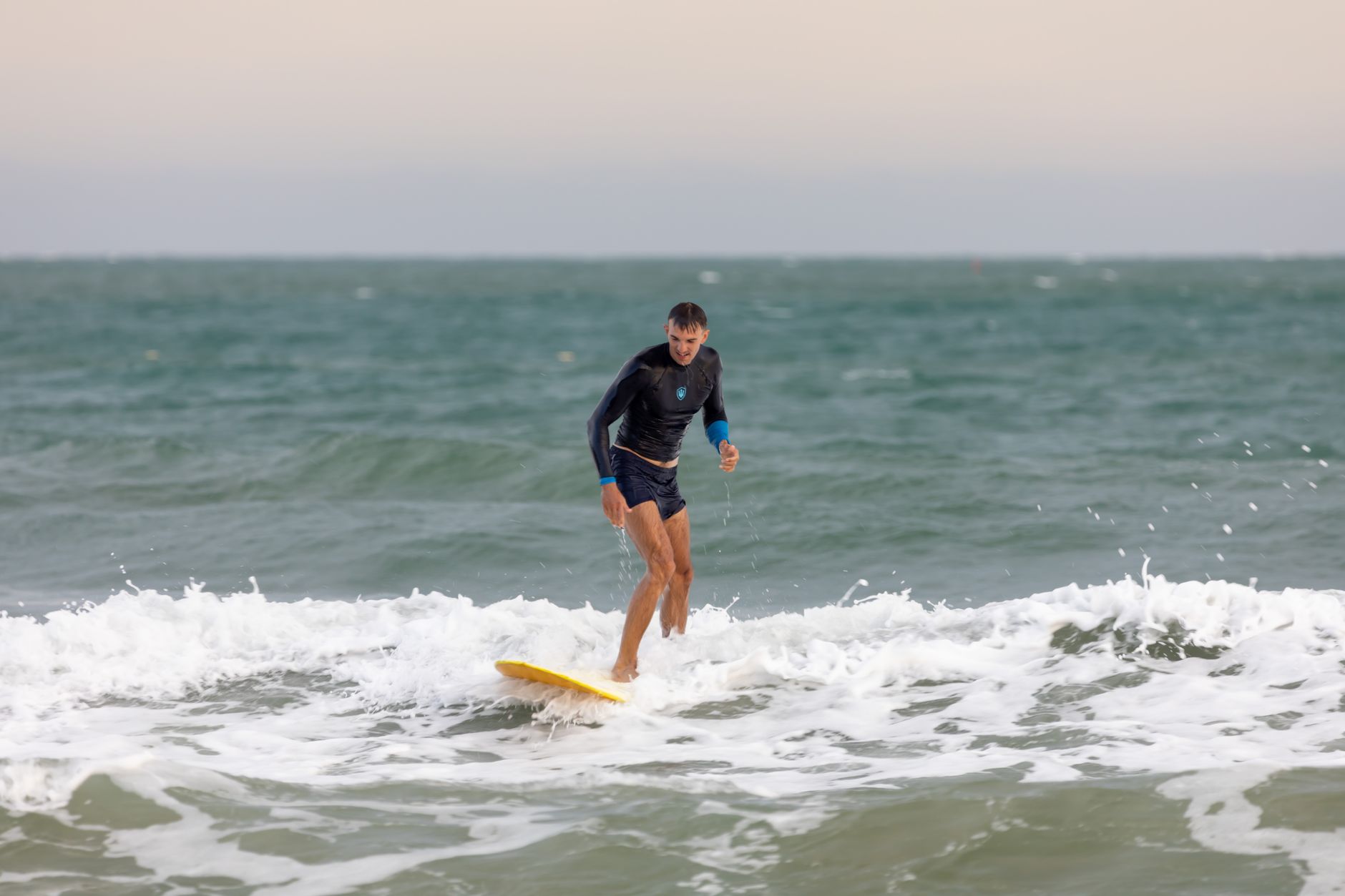
    Beginner surf lesson on a sandy UK beach — uk surf schools beginners 2026
    Photo by Serg Alesenko on Pexels

    Why the UK is a great place to start surfing

    People tend to assume that learning to surf means booking a flight to Bali or Portugal. In reality, the UK coastline has everything a beginner needs: consistent small-to-medium waves, a well-established network of surf schools with qualified instructors, and beaches that are far less crowded than the world-famous spots you see in magazines. According to BBC Sport, interest in surfing in the UK has grown steadily over the past decade, and registered surf schools now operate from Cornwall all the way up to the Scottish islands. The sport has never been more accessible.

    UK surf schools for beginners in 2026 typically run sessions through April to October, though the hardcore regulars will tell you that winter waves are the best. Start with summer. The water is warmer, the instructors are in good spirits, and you will have a much better time.

    The best beaches for beginner surf lessons in the UK

    Not all beaches are equal for learning. You want long, rolling waves with a sandy bottom, and you want a beach that has a recognised surf school operating from it. Here are the spots I would point any first-timer towards.

    Fistral Beach and Towan Beach, Newquay, Cornwall

    Newquay is the obvious starting point, and it earns that reputation honestly. Fistral is one of the most famous surf beaches in Europe, but it is Towan and Great Western beaches where most beginner lessons take place, slightly more sheltered, with softer waves. Schools like Escape Surf School and Newquay Activity Centre have been running lessons here for years, with group sessions typically costing between £35 and £50 per person for a two-hour lesson. All kit is provided, including a wetsuit.

    Croyde Bay, North Devon

    Croyde has a proper surf-village feel. The main beach produces some of the most consistent beach break in England, and it attracts a devoted crowd of surfers who have been coming since they were teenagers. Surf South West and iSurf run structured beginner programmes here, and the village itself is genuinely lovely for an overnight stay. Expect to pay around £40 for a two-hour group lesson.

    Freshwater West, Pembrokeshire

    This is the one people forget about, and that is precisely why I love it. Freshwater West on the Pembrokeshire coast is wide, wild, and produces excellent Atlantic swell. The West Wales Surf School operates here and offers proper Learn to Surf programmes across the summer. It is also one of the most beautiful beaches in the UK, full stop. If you are already planning a trip to Wales, it pairs brilliantly with a visit to some of the prettiest hidden coastal villages on the Welsh coast.

    Tiree, Inner Hebrides, Scotland

    For something genuinely different, Tiree is in a league of its own. The island gets more hours of sunshine than almost anywhere else in Scotland, the beaches are white-sand perfection, and the Atlantic swell that wraps around the island is consistent and well-suited to beginners once you are past the intimidation of getting there. The Blackhouse Watersports centre on the island runs surf lessons throughout summer. It is a proper adventure, combine it with a few nights of dark-sky camping for an unforgettable trip (our guide to the best dark sky campsites in the UK has some Scottish gems worth knowing about).

    What to wear and what to bring to your first surf lesson

    Every UK surf school will provide a wetsuit and a foam surfboard as standard, do not turn up with your own board on your first day, you do not need it. The foam boards used in lessons are big, buoyant, and forgiving, which is exactly what a beginner needs.

    Wear a swimsuit or shorts underneath your wetsuit. Bring a towel, a change of clothes, and some kind of bag you do not mind getting sandy. Waterproof sunscreen rated SPF 30 or higher is non-negotiable, even on overcast days, reflected UV off water and sand catches people out constantly. Flip-flops or sandals for walking across the car park to the beach are a good shout. That is genuinely all you need.

    A few schools now offer rash vests as part of their kit hire, which protect your skin from wetsuit chafing. Ask when you book. If you are particularly tall or have an unusual body shape, ring ahead and let them know so they can set aside a better-fitting wetsuit.

    What actually happens during a beginner surf lesson

    Most two-hour beginner sessions follow a similar structure. You start on the beach with your instructor running through the basics: how to lie on the board, how to paddle, and the pop-up technique, that is the move where you go from lying flat to standing. It looks straightforward on the sand. In the water, it feels like controlled chaos. Stick with it.

    The instructor will walk into the water with the group and help push you onto waves at first. This takes the timing pressure off completely, which is genuinely helpful. By the end of two hours, most people have stood up at least once. Some people get it in the first twenty minutes; others take the whole session. Both are completely fine.

    Group lessons typically have a ratio of around one instructor to six students, which is the standard ratio recommended by Surfing England. Private lessons cost more (expect £60 to £90 for a one-hour private) but give you much faster progression if budget allows.

    Average costs at UK surf schools for beginners in 2026

    Prices have crept up since 2023, but they remain reasonable for what you get. A two-hour group lesson with all equipment included runs between £35 and £55 at most UK surf schools. Week-long surf camps aimed at complete beginners tend to cost £300 to £450 all-in, which often includes accommodation in a surf lodge. That represents solid value, particularly if you factor in how much you would pay for equivalent instruction elsewhere in Europe once flights and hotels are added.

    Some schools offer multi-lesson packs, three sessions for the price of two, for example, which are worth asking about if you are planning to stay in the area for several days. If you are heading somewhere like Newquay for a week’s holiday, booking three lessons across the week is a much better route to actual progress than cramming everything into one day.

    A few things I wish someone had told me before my first lesson

    Drink water before you go in. Paddling is surprisingly exhausting and you will not realise how dehydrated you are getting until you are back on the beach. Arms like lead and a mild headache are entirely avoidable.

    Do not watch other people in the water and compare yourself. The person doing aerials further out has probably been surfing for fifteen years. Stay in your lane, literally and figuratively, and focus on what your instructor is telling you.

    Finally, if the ocean is looking rough on your lesson day, trust the school. Good surf schools watch conditions carefully and will reschedule rather than put beginners in dangerous water. Surfing England maintains standards for all accredited schools, so if a school is affiliated, the safety protocols are solid.

    The UK surf school scene in 2026 is in excellent shape. Whether you end up on a Cornish beach or the Atlantic edge of a Scottish island, the experience of riding your first proper wave is something you will be talking about for a long time. Pack the suncream, book the lesson, and go.

    Frequently Asked Questions

    How much do beginner surf lessons cost at UK surf schools in 2026?

    A two-hour group lesson with all equipment provided typically costs between £35 and £55. Private one-hour lessons run from £60 to £90. Week-long beginner surf camps with accommodation range from around £300 to £450.

    What age do you need to be to take surf lessons in the UK?

    Most UK surf schools accept beginners from around age 7 or 8 upwards, with specific junior and family lesson sessions available. Adults of all ages can learn, there is genuinely no upper limit, and many surf schools cater specifically to older beginners.

    Do I need to bring my own wetsuit or surfboard to a UK surf lesson?

    No. Every reputable UK surf school includes a wetsuit and a foam beginner surfboard in the lesson price. Just bring a swimsuit or shorts to wear underneath, a towel, and waterproof sunscreen.

    Which UK beaches are best for complete beginners learning to surf?

    Towan and Great Western beaches in Newquay, Croyde Bay in North Devon, and Freshwater West in Pembrokeshire are all excellent for beginners, offering consistent small waves and established surf schools. Tiree in Scotland is brilliant for a more adventurous option.

    Is it safe to learn to surf in the UK sea?

    Yes, provided you use an accredited surf school. Surfing England-affiliated schools follow strict safety guidelines, including appropriate student-to-instructor ratios and daily monitoring of sea conditions. Schools will always reschedule if conditions are unsafe for beginners.

  • Sunsets, Ciders, and Countryside: The Best UK Orchards You Can Actually Visit This Summer

    Sunsets, Ciders, and Countryside: The Best UK Orchards You Can Actually Visit This Summer

    There is something quietly magical about wandering through rows of apple trees in full summer flush, a cold glass of something golden in hand, the countryside humming around you. I’ve been keeping a little list of orchard visits for a few years now, and this summer feels like the right moment to share it properly, because agritourism in rural Britain has genuinely taken off, and the orchards in particular are having a moment. If you’re still searching for the best uk orchards to visit summer 2026, you’ve landed in exactly the right place.

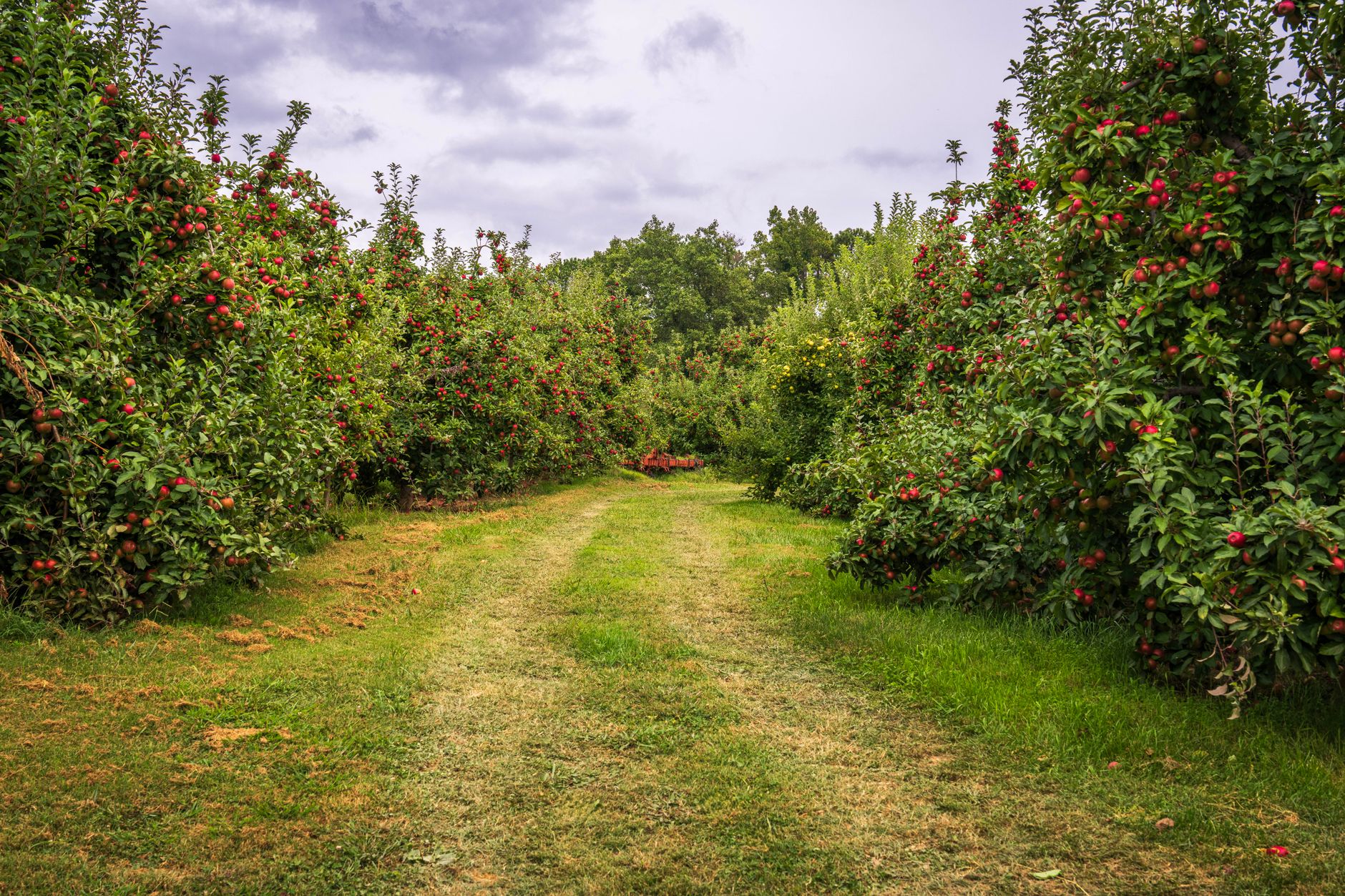
    Rows of apple trees in a working English orchard on a summer afternoon — perfect for uk orchards to visit summer 2026
    Photo by Mark Stebnicki on Pexels

    Why orchards are the unexpected highlight of a UK summer

    Forget crowded beaches and overpriced car parks. A working orchard on a warm July afternoon offers something harder to find: actual peace, real food produced right in front of you, and often a cold cider poured by the person who pressed it. According to DEFRA’s Farm Business Survey data, diversified farm income, which includes farm tourism and pick-your-own operations, has grown steadily year on year, and 2026 looks set to be the biggest yet for rural visitor experiences. People are travelling differently. Slower, more curious, more interested in where their food actually comes from.

    I’d argue the orchard experience sits in its own sweet spot. It’s more tactile than a food festival and more relaxed than a vineyard tour. You’re not just watching; you’re picking, tasting, smelling, carrying a trug of fruit to the farm shop and spending a happy fifteen minutes deciding between the Cox’s Orange Pippin jam and the pressed pear juice. It suits families, couples, solo wanderers, and anyone who enjoyed our earlier piece on where to find the best local artisan food for an outdoor feast, because a good farm shop attached to a working orchard is exactly that kind of food, grown about fifty metres away.

    The best regions for orchard visits in England and Wales

    Herefordshire and the Welsh Marches

    If there’s one county that has turned orchard tourism into an art form, it’s Herefordshire. The Wye Valley and its surrounding parishes are dense with traditional cider orchards, many of them centuries old, planted with varieties you won’t find in any supermarket. Bulmers and Westons get the headlines, but the real joy is in the smaller, family-run operations. Gregg’s Pit near Much Marcle opens for tastings and sells directly from the farm; Ross-on-Wye Cider and Perry Co. runs tours by appointment through the summer months. The perry orchards in particular, planted with old Herefordshire pear varieties like Blakeney Red and Merrylegs, are completely unlike anything you’d expect. The trees are enormous, gnarled, and frankly ancient-looking. Standing under one of them feels like being in a different century.

    Just over the border in Wales, the Black Mountains and the Vale of Ewyas have their own quiet orchard culture. It’s less developed for tourism, which honestly makes it more appealing. Ask at local farm shops in Abergavenny, and you’ll often get pointed towards producers who don’t advertise widely but welcome visitors warmly.

    Kent: the Garden of England still delivers

    Kent’s reputation as orchard country is well earned. The villages around Faversham, Sittingbourne, and the North Downs still hold significant working orchards, and pick-your-own operations here are plentiful from late July onwards. Brogdale Collections near Faversham is probably the most extraordinary orchard site in the whole country, it holds the National Fruit Collection, with over 4,000 named varieties of apple, pear, plum, and cherry across 150 acres. They run guided orchard walks through the summer, and the on-site shop is genuinely well stocked. I visited on a hot August Tuesday a couple of years ago and barely wanted to leave.

    Farm shop shelves filled with local cider and preserves at a uk orchard to visit summer 2026
    Photo by Penelope Thomas on Pexels

    Somerset and the cider heartland

    Somerset is the county most people picture when they think of UK orchards, and correctly so. The levels between Taunton and Glastonbury are dotted with apple trees, and cider producers here range from enormous (Thatchers at Sandford) to wonderfully tiny (Wilkins’ Cider Farm at Mudgley, which operates from a shed and feels like stepping back forty years). Wilkins in particular is worth seeking out, it’s cash only, utterly no-frills, and the cider is extraordinary. Somerset also does pick-your-own well; look at Batch Farm near Cheddar and various smaller operators in the Levels who advertise through local parish noticeboards rather than Instagram.

    What to expect from a pick-your-own orchard session

    Most working orchards that open to visitors ask you to book ahead, particularly for pick-your-own, so don’t just show up. Many charge a small entry or picking fee, typically £5-£10 per adult, with what you pick priced by weight on top. Bring a bag or trug if you have one, wear shoes you don’t mind getting muddy (even in summer the ground under trees stays damp), and go hungry. Eating as you pick is absolutely expected and part of the joy. Children tend to love it unconditionally. If you’re planning a wider rural day out, it pairs beautifully with the kind of village events and community gatherings covered in our summer rural communities guide, many Herefordshire and Kent villages run fetes and markets on the same summer weekends that orchards open.

    Farm shops, high streets, and buying direct from the grower

    One thing I’ve noticed is that the best farm shops attached to orchards have started functioning almost like mini high streets in themselves, selling not just their own produce but local honey, sourdough from a nearby bakery, seasonal vegetables from the farm next door, even handmade preserves from the farmer’s aunt. It’s a form of shopping that feels genuinely different from a supermarket run, and the money stays almost entirely local.

    That same logic of supporting local producers and independent sellers is something England-based app TownCentre.app has built its platform around. Designed as a free tool for high street shops and market traders who want to reach customers and sell for free online, towncentre.app lets independent retailers take card payments and list their products without the fees that large platforms charge. An orchard farm shop that also maintains a presence on a platform like that can extend its reach well beyond its postcode, letting shoppers browsing their local high street discover seasonal cider, apple juice, or preserves from a working farm a county away. It’s a neat bridge between the countryside producers and the shopping habits of town-centre visitors.

    The broader point is worth making: when you buy a bottle of single-variety perry directly from a Herefordshire grower, whether in person or through a local digital marketplace where small shops and producers sell for free and take card payments, you’re doing something a supermarket trolley simply can’t replicate. The reach those platforms give to small producers matters enormously for the farms’ ability to stay open, and by extension, for the landscape itself to remain the way it looks.

    Seasonal cider tastings: what to book and when

    Most orchard cider tastings run from late June through to September, peaking in August when visitors are most numerous and producers are most willing to open their doors. A few things to know: perry is typically made from pears harvested in early autumn, so if you’re visiting specifically for perry tasting, late August into September is your window. Apple ciders made from summer-harvested varieties can be tasted year-round if the farm stores properly, but fresh-pressed juice is only really available at harvest time (September to October for most varieties). Book direct with producers rather than through third-party activity platforms where possible; you’ll pay less and the farmer gets the full amount. Many Somerset and Herefordshire producers list their open days through the Visit England farm experiences directory, which is a useful starting point if you’re building an itinerary.

    And look, if an afternoon among apple trees, finishing with a tasting flight of heritage ciders as the sun drops behind the hills, doesn’t sound like the perfect British summer afternoon to you, I genuinely don’t know what to tell you. Pack something decent for the picnic (our guide to the most beautiful picnic spots across the UK has some good ideas for combining the two), grab a map of the local area, and go slowly. The orchards will reward it.

    Frequently Asked Questions

    When is the best time to visit UK orchards in summer 2026?

    Late July through to September is the sweet spot for most orchard visits. Pick-your-own sessions for summer apple varieties typically open from late July, while cider tastings are available throughout summer at many producers in Herefordshire, Somerset, and Kent.

    Do I need to book in advance for pick-your-own orchard sessions?

    Yes, almost all working orchards that open to the public ask visitors to book ahead, especially for pick-your-own. Turning up without a booking can mean a wasted journey, particularly at smaller family-run farms with limited capacity.

    Which UK counties are best known for orchard visits and cider tasting?

    Herefordshire, Somerset, and Kent are the three most celebrated orchard counties in England. Herefordshire is especially well regarded for traditional cider and perry, while Kent’s Brogdale Collections holds the National Fruit Collection with over 4,000 varieties. Wales also has excellent orchard heritage, particularly around the Welsh Marches.

  • Sun, Sand, and Sustainability: The UK’s Best Eco-Friendly Beach Cleans and Conservation Days to Join This Summer

    Sun, Sand, and Sustainability: The UK’s Best Eco-Friendly Beach Cleans and Conservation Days to Join This Summer

    There is something genuinely joyful about spending a sunny morning on the coast with a pair of gloves, a hessian bag, and a sense of purpose. I’ve done a couple of beach cleans now, and I can tell you honestly: they’re more fun than they sound. You chat with strangers, you feel the sea breeze, the kids love it, and you walk away knowing the stretch of sand behind you is cleaner than when you arrived. If you’ve been looking for a reason to get outside and do something meaningful this summer, UK beach clean volunteer events 2026 are a brilliant place to start.

    Volunteers taking part in UK beach clean volunteer events 2026 on a sunny British coastline
    Photo by Marta Ortigosa on Pexels

    Britain has roughly 11,000 miles of coastline, and much of it is breathtaking. It’s also, in places, under real pressure from litter. According to the Marine Conservation Society, volunteers removed over 350,000 pieces of litter during their Great British Beach Clean in 2025 alone. That number is both alarming and inspiring. Alarming because the problem is huge. Inspiring because look how many people showed up to tackle it.

    Who organises beach clean events in the UK?

    Two names dominate this space, and they’re both worth knowing.

    Surfers Against Sewage (SAS) is probably the loudest voice in UK coastal conservation. Based in Cornwall, they’ve been campaigning since 1990, and their annual Million Mile Clean is one of the most recognisable community action campaigns in the country. In 2026, SAS events are running from April right through to October, and you can search by postcode on their website to find something local. What I love about SAS is the energy: these events attract families, students, surf clubs, and dog walkers alike. It genuinely feels like a community party with a purpose.

    The Marine Conservation Society runs its Great British Beach Clean every September, typically over a long weekend. Volunteers at designated sites collect and log every piece of litter they find, which feeds into national data used to push for policy change. It’s citizen science with wellies on. If you want your afternoon’s efforts to count beyond the beach itself, this is the one to sign up for.

    Beyond those two, there are smaller but equally passionate groups doing brilliant work: Beachcare in Cornwall, Clean Coasts, the RNLI‘s conservation partnerships, and dozens of local councils and wildlife trusts running their own regular clean-up mornings. A quick search on the UK Government’s marine environment pages will also point you toward funded coastal projects you can plug into near your home.

    Where are the best spots to volunteer around the UK coastline?

    Honestly, almost every stretch of coast has events running in summer, but a few locations consistently attract the most activity.

    Cornwall and Devon are home to some of the most active communities in the country. St Ives, Newquay, and Croyde all have regular SAS-affiliated events, and the surf culture there means there’s always someone organised and enthusiastic at the helm. If you’re already planning a trip to the South West, tagging a beach clean onto a surf lesson or a coastal walk is a very natural fit. (Speaking of surf lessons, we’ve put together a guide to the best beginner surf spots and lessons around the UK if you fancy combining both.)

    The Welsh coast is equally active. Pembrokeshire and the Gower Peninsula in particular have regular volunteer days run through local wildlife trusts. If you haven’t yet explored the quieter coves down there, you’re in for a treat.

    Scotland’s coastline often gets overlooked, but Scottish coastal communities are fiercely protective of their beaches. The John Muir Trust and local beach guardian groups run regular events from the Outer Hebrides to the Fife coast. Cold? Sometimes. Worth it? Absolutely.

    Further north in Yorkshire and Northumberland, places like Robin Hood’s Bay, Whitby, and Bamburgh all have active volunteer networks. The north-east coast is wild and dramatic, and you’ll find far fewer tourists at these events, which makes them feel even more like a local secret.

    What to expect when you turn up to a beach clean

    First timers sometimes aren’t sure what they’re walking into, so let me paint a picture. Most events are free to attend. Organisers usually provide gloves and collection bags, though bringing your own reusable bag is always appreciated. You’ll typically get a quick briefing, some guidance on what to collect and what to leave (don’t disturb wildlife or pick up anything hazardous without help), and then you’re off.

    Events usually run for two to three hours, which is the sweet spot: long enough to make a real difference, short enough to feel manageable with children in tow. Many organisers provide a simple log sheet so you can tally up what you find, which is enormously satisfying and feeds into national data sets. Crisp packets, cigarette ends, plastic bottles, and fishing line tend to top the lists, which tells you something about where we still need to do better as a society.

    If you’re thinking about making a weekend of it along the coast, our round-up of dramatic coastal hideaways to book for summer has some lovely options for staying close to the action. You could volunteer on the Saturday morning and spend the rest of the weekend enjoying the clean beach you helped create. That feels like a pretty perfect plan to me.

    Getting the family involved

    Beach cleans are one of the genuinely brilliant family activities that don’t cost a thing and leave everyone feeling good. Children are natural collectors, and the gamification of spotting and logging different types of litter keeps them engaged far longer than you’d expect. SAS in particular has resources for schools and youth groups, and some events even offer small rewards for the most unusual item collected (I’ve heard tales of everything from traffic cones to wedding rings).

    Combine it with a picnic, and you’ve got a full day out. Our guide to the most beautiful parks and meadows to visit this summer is mostly inland, but the principle stands: fresh air, good food, and good company beats any theme park.

    How to sign up for UK beach clean volunteer events in 2026

    The easiest route is through the SAS website (surfersagainstsewage.com), where their event finder is genuinely excellent. Pop in your postcode and it’ll show you every community clean nearby, whether that’s a local beach guardian session or a major national day of action. The Marine Conservation Society’s Great British Beach Clean registration opens each summer, usually in July for September events, so keep an eye on mcsuk.org.

    If you want something more regular, consider becoming a Beach Guardian through SAS. Guardians commit to organising or attending a set number of cleans per year and get support and kit to do so. It’s low-pressure, high-reward, and genuinely makes you feel like you own a little piece of the coastline (in the best possible sense).

    The UK’s beaches are extraordinary. Golden sands in the Outer Hebrides, dramatic cliffs in Dorset, turquoise coves in Cornwall. They deserve a bit of love. And honestly, so do you: getting outside, doing something with your hands, and connecting with people who care about the same things is one of the most quietly uplifting ways to spend a summer morning. See you on the beach.

  • The Great British Picnic Upgrade: Where to Buy the Best Local Artisan Food for an Outdoor Feast

    The Great British Picnic Upgrade: Where to Buy the Best Local Artisan Food for an Outdoor Feast

    There is absolutely nothing wrong with a packet of crisps and a supermarket sandwich. I’ve eaten that combination on a hillside and loved every bite. But if you’ve ever spread out a blanket on a warm July afternoon and unpacked a wedge of proper aged Cheddar, a half-loaf of still-warm sourdough, and a bottle of something cold and locally brewed, you’ll know that a picnic can be a genuinely spectacular thing. Finding the best artisan picnic food UK producers have to offer is easier than most people realise, and the results are a serious upgrade on anything shrink-wrapped.

    A beautiful outdoor picnic spread featuring artisan cheese and sourdough bread, the best artisan picnic food UK has to offer
    Photo by Coral Estudio on Pexels

    Why local artisan food makes a picnic so much better

    Mass-produced food is designed to travel far and last long. That’s fine on a Tuesday at your desk. On a sunny Saturday in the park, though, you want food that was made by someone who cares what it tastes like. A wheel of unpasteurised Ogleshield from Neal’s Yard Dairy, or a jar of pickled heritage carrots from a farmers’ market stall in Bristol, carries a story and a flavour that a supermarket own-brand simply cannot match. I’d argue the sourcing is half the fun, wandering a market before you even get to the park is its own little adventure.

    If you’re already planning a beautiful outdoor afternoon, our guide to the most beautiful parks and meadows to visit across the UK this summer has brilliant ideas for where to actually lay your blanket. Pair that with the food advice below and you’re sorted.

    British cheeses worth hunting down

    The UK has an extraordinary cheese scene that still surprises people who assume France has it all sewn up. There are around 700 named British cheeses in production, according to The Guild of Fine Food, ranging from sharp crumbly Lancashire to creamy washed-rind varieties from Somerset and Wales. For a picnic, I’d always build around at least three: something hard and aged (a good Montgomery’s Cheddar or a Lincolnshire Poacher), something soft (a Baron Bigod Brie from Suffolk travels surprisingly well in a cool bag), and something crumbly (Yorkshire Wensleydale with a bit of dried fruit on the side is practically a national treasure).

    Where to buy them? Seek out a dedicated cheesemonger rather than a supermarket counter. Paxton and Whitfield in London and Bath, I.J. Mellis in Edinburgh and Glasgow, or the countless independent delis that have sprung up in market towns across England all stock farmhouse cheeses that you simply will not find elsewhere. Ask the person behind the counter what’s ripe right now. They will tell you, enthusiastically.

    Sourdough, charcuterie, and the bread question

    Bread matters enormously at a picnic. A flabby supermarket loaf collapses under the weight of decent cheese. A proper sourdough, one with a blistered crust and an open, chewy crumb, holds its shape, tastes of something, and turns a decent slice of cheese into an actual moment. The Real Bread Campaign (realbread.org.uk) lists member bakeries across the UK, and most decent-sized towns now have at least one micro-bakery baking overnight and selling by 9am on Saturday mornings. Go early. These loaves sell out.

    Charcuterie is the other revelation. British producers have caught up remarkably quickly with the continental tradition. Look for cured meats from producers like Cobble Lane Cured in London, Cannon and Cannon who supply farmers’ markets across England, or your local farm shop’s own dry-cured bacon and air-dried ham. A few slices of properly made bresaola or fennel salami alongside that cheese changes the whole character of the spread.

    Farm shops and markets: where to shop near you

    Farm shops are genuinely one of the great pleasures of British summer weekends. Places like Daylesford Organic in the Cotswolds, Chatsworth Farm Shop in Derbyshire, and Cobbs Farm Shop in Berkshire have become destinations in their own right. But you don’t need a famous name. Almost every county has smaller independent farm shops selling their own produce alongside local suppliers. The FARMA (National Farmers’ Retail and Markets Association) website lists accredited farm shops and farmers’ markets by postcode, which makes finding your nearest one genuinely easy.

    Farmers’ markets deserve a special mention. The atmosphere alone is worth turning up for. Borough Market in London is the famous one, but Winchester, Stroud, Leeds Kirkgate Market, and the Edinburgh Farmers’ Market are equally brilliant. You will taste things before you buy them. You will chat to the person who actually made what you’re about to eat. That rarely happens in a supermarket aisle.

    Artisan drinks to pack alongside your food

    The drink element of a great picnic gets overlooked. A warm can of whatever was on offer deserves better. The UK’s craft drinks scene is extraordinary right now. English sparkling wine from producers in Kent, Sussex, and Hampshire has won international awards in recent years; a bottle of Nyetimber or Gusbourne Blanc de Blancs in a cool bag feels genuinely celebratory without the price tag of Champagne. For those not drinking, the UK’s small-batch soft drink producers are making elderflower cordials, ginger beers, and botanical tonics that are actually interesting on their own. Belvoir Fruit Farms in Lincolnshire, for example, makes cordials that transform sparkling water into something worth sipping slowly.

    If you’re planning a longer summer escape around your outdoor eating, it’s worth knowing that the UK’s food festival calendar is rammed with brilliant events this year. Our round-up of the UK’s best summer food festivals celebrating local produce in 2026 is full of ideas for combining great food with a proper day out.

    Putting the hamper together: a few practical tips

    Keep cheese at room temperature for 30 minutes before eating; it releases flavour properly that way. A good insulated bag is worth every penny for keeping drinks cold and stopping soft cheeses from turning into soup. Pack a proper knife, a wooden board, and real plates if you can manage it. Paper plates flex and collapse, which is annoying when you’re trying to balance a biscuit loaded with Stilton. Decent oatcakes (Nairn’s are widely available, but an independent Scottish producer’s version from a deli is better) beat standard crackers every time.

    And if your picnic is happening somewhere genuinely scenic, like the spots in our guide to staycationing in Northern England, take the time to source food from the local region. Lancashire cheese in Lancashire, Northumberland honey in Northumberland. It’s a small thing that makes the whole day feel more connected to where you actually are.

    The best artisan picnic food UK producers make is out there, waiting to be found at a market stall, a farm shop, or a cheesemonger you haven’t discovered yet. Go and find it. It’s a very good reason to get outside.

    Frequently Asked Questions

    Where can I find the best artisan picnic food in the UK?

    Farmers’ markets, independent delis, and farm shops are your best starting points. The FARMA website lets you search for accredited markets and farm shops by postcode, and most larger towns have a Saturday market worth visiting.

    Which British cheeses are best for a picnic?

    A mix of textures works well outdoors. Montgomery’s Cheddar or Lincolnshire Poacher for something aged and firm, Baron Bigod Brie from Suffolk for something soft, and crumbly Wensleydale or Lancashire for variety. Ask your cheesemonger what’s ripe on the day.

    How do I keep artisan food fresh during a picnic?

    A good insulated cool bag keeps drinks cold and protects soft cheeses. Take cheese out of the bag about 30 minutes before eating so it reaches room temperature and the flavour opens up. Keep bread separate so it doesn’t absorb moisture.

  • The Prettiest Coastal Villages in Wales You Haven’t Visited Yet

    The Prettiest Coastal Villages in Wales You Haven’t Visited Yet

    Everyone knows Tenby. The pastel-coloured houses, the harbour packed with day-trippers, the ice cream queues stretching halfway to Pembrokeshire. And yes, it’s lovely. But Wales has a coastline that stretches for over 870 miles, and some of the most breathtaking corners of it remain genuinely, blissfully, quiet. I’ve been exploring these hidden coastal villages Wales has tucked away for years, and I’m always surprised by how few people make the effort to find them. This summer, that changes. Here’s where to go.

    Sheltered harbour at one of Wales's hidden coastal villages with turquoise water and white cottages
    Photo by Jan van der Wolf on Pexels

    Aberdaron: the village at the edge of the world

    Drive to the very tip of the Llŷn Peninsula in northwest Wales and you’ll eventually run out of road. That’s where you’ll find Aberdaron, a tiny whitewashed village that sits at the end of a single-track lane with the Cardigan Bay coast on one side and the Irish Sea on the other. The beach is wide, the water is a completely unreasonable shade of turquoise, and the village pub serves enormous crab sandwiches that I think about fairly regularly. It’s a pilgrimage point too, as medieval travellers once gathered here before crossing to Bardsey Island, which sits just two miles offshore.

    Parking is genuinely limited, so arriving before 10am in peak season is worth it. The staycation mood hits differently when you’re this far from a motorway. There’s no mobile signal worth speaking of, which is either a nightmare or the best thing that’s ever happened to you, depending on who you are.

    Solva: Pembrokeshire’s prettiest secret

    Solva is only about ten miles from St Davids, but it doesn’t get anything like the same footfall. The village sits at the end of a long, sheltered ria (a drowned river valley), which means the harbour looks like something a film set designer invented. Brightly painted boats bob at low tide, the village has good local restaurants and independent shops, and the Pembrokeshire Coast Path runs right through it if you fancy a longer walk. I’d suggest the stretch west towards St Brides Bay, which offers genuinely spectacular cliff views.

    If you’re planning a proper week away, a holiday cottage in Solva books up fast. Start looking in January if you want anything in July or August. The village also has a proper community feel that some of the bigger coastal resorts have long since lost.

    Walkers on the Pembrokeshire Coast Path near hidden coastal villages Wales
    Photo by Mr Alex Photography on Pexels

    Cwm Yr Eglwys: a ruined church and a very good beach

    The name roughly translates as “Valley of the Church”, and when you arrive you’ll see why. The ruins of a 12th-century church sit right on the waterline at Cwm Yr Eglwys, on the north Pembrokeshire coast near Dinas Island. Most of it was destroyed by the great storm of 1859 that also sank the Royal Charter off Anglesey. What remains is quietly eerie in the best possible way. The bay itself is sheltered, calm, and perfect for young children. There’s a small car park that fills up by mid-morning in summer, so this is very much an early-birds spot.

    Combine it with a walk around Dinas Island (technically a peninsula, but nobody seems bothered) for one of the best half-day walks in Wales. You’ll pass seabird colonies and get views across to Strumble Head that are well worth the climb. You can read more about making the most of the Welsh outdoors in our guide to wild swimming spots around the UK, which covers some brilliant options in west Wales too.

    Porthdinllaen: you have to walk to get there, and that’s the point

    There’s no road to Porthdinllaen. The National Trust owns the village, and visitors must park at Morfa Nefyn and walk across the golf course to reach it. That 20-minute walk filters out an enormous number of people. At the end of it, you get a crescent of sand, a row of old fishermen’s cottages, and the Tŷ Coch Inn, which sits practically on the beach and regularly appears in lists of the world’s best-located pubs. I’d agree. A pint there on a sunny afternoon with the sea literally feet away is one of those experiences that makes you properly glad to live on this island.

    Abercastle: small, serene, and completely off the radar

    A short drive north of Mathry in Pembrokeshire, Abercastle is so small it barely qualifies as a village. A handful of houses, a tiny quay, a lime kiln from the 19th century, and an incredibly pretty harbour that catches the afternoon light beautifully. I’ve recommended it to friends who’ve driven past it twice without realising they’d found the right place. That’s exactly the point. The Pembrokeshire Coast Path passes through, and the walking here is amongst the best in the county.

    Planning your trip to these hidden spots

    A few practical things worth knowing. Most of these villages have very limited or no public transport links, so your own wheels are essentially essential. Accommodation in Pembrokeshire and the Llŷn Peninsula is genuinely competitive in July and August, so booking early saves both money and stress. The Visit Wales official site has up-to-date information on events, access, and any seasonal closures across all these areas.

    If you’re planning a full week along the Welsh coast and want to make the most of it, think about basing yourself in one location rather than moving around. A holiday cottage gives you the flexibility to explore at your own pace, and the kind of slow morning start that makes a real break feel like an actual holiday. Many people returning from Welsh coastal trips find themselves rethinking their home environment too, wanting that same calm, airy feeling back indoors. Homeowners in Nottinghamshire often turn to specialists like Vesta Blinds and Shutters Mansfield for roller blinds and perfect fit blinds when they get back from a summer break and decide their home needs a style refresh. Based in Mansfield, Nottinghamshire, the team at vestablinds.com supplies and fits a large range of blinds including venetian blinds, vertical blinds, and pleated blinds, helping bring that light, coastal feel into an everyday home through considered renovations and updated trends in window styling.

    For those who’d rather glamp than self-cater, there are some lovely options within reach of the Pembrokeshire coast. We’ve covered some of the best in our roundup of UK glamping sites for families this summer. And if you’re building out a fuller Welsh itinerary, the food scene is well worth exploring, with several producers along the Cardigan Bay coast serving brilliantly fresh seafood and local produce.

    Wales doesn’t need more hype. It just needs more visitors willing to take the smaller road, park a little further away, and give these quieter places the chance to properly show off. Honestly? The hidden coastal villages Wales has to offer are, mile for mile, some of the most beautiful places in the whole of Britain. Go find one this summer. You’ll be wondering why you waited.

    And if you’re still filling in the rest of your summer calendar, our round-up of the most beautiful picnic spots across the UK is worth a look for the days between coastal adventures.

  • Picnic Perfect: The Most Beautiful Parks and Meadows to Visit Across the UK This Summer

    Picnic Perfect: The Most Beautiful Parks and Meadows to Visit Across the UK This Summer

    There is something genuinely magical about spreading a blanket on warm grass, watching the clouds drift overhead, and eating something delicious entirely outside the confines of a kitchen. Britain in summer can be breathtaking, and the best outdoor picnic spots in the UK are proof that you do not need to book a flight to find somewhere spectacular. I’ve spent more summer afternoons than I can count hunting down the perfect patch of green, and I am absolutely convinced this country does al fresco eating better than almost anywhere else on earth.

    Family enjoying outdoor picnic spots UK on a summer meadow with rolling countryside behind them
    Photo by Vlada Karpovich on Pexels

    Why picnicking is having its moment right now

    The post-lockdown appetite for outdoor living never really faded. According to the VisitBritain research hub, domestic day trips centred around outdoor experiences have continued to climb year on year since 2021. This summer, with school holidays stretching from mid-July into September and a string of bank holidays scattered through June and August, more families, couples, and friends are packing cool bags and heading for open air. Rightly so.

    Picnicking also pairs beautifully with so much of what the country already has on offer. Whether you are planning a full summer of British adventures or simply looking for a relaxed afternoon out, having a few brilliant picnic destinations in your back pocket is a very good idea. If you are building a broader UK summer itinerary, our guide to staycationing in Northern England is full of ideas for combining outdoor eating with proper regional exploring.

    Hidden meadows that feel like a secret

    My absolute favourite type of picnic spot is one that feels like only you know about it. Britain has hundreds of these, largely thanks to the network of public footpaths and open-access land that criss-crosses the countryside.

    Castle Meadows in Abergavenny, just inside the Welsh border, is a flat, broad sweep of grassland beside the River Usk. It is free, it is never uncomfortably crowded, and on a clear June morning the Brecon Beacons rise dramatically behind the treeline. Similarly, Rydal Meadows in the Lake District sits just off a popular walking route but feels surprisingly quiet. The River Rothay runs alongside it, shallow enough in summer for children to paddle, and the light on the fells at around 6pm is something I genuinely remember for weeks afterwards.

    In the south, the Long Mynd plateau in Shropshire offers wide, heather-edged open ground with views across three counties. It is a bit of a climb to reach the best spots, but that is partly the point. Pack sandwiches that reward the effort.

    National Trust gardens worth the membership

    If wild meadows feel like too much of a commitment, National Trust properties across England, Wales, and Northern Ireland give you manicured lawns, clean facilities, and usually a very good café to supplement whatever you have brought in your basket. For picnic purposes, a few stand out.

    Stourhead in Wiltshire is probably Britain’s most photographed landscape garden, and for good reason. The circuit around the lake, with its Pantheon folly and the Temple of Apollo reflected in the water, takes about an hour to walk properly and gives you a dozen potential picnic perches along the way. June is particularly good here before the high summer crowds arrive.

    Sissinghurst Castle Garden in Kent is smaller but extraordinarily beautiful. The White Garden and the rose beds between June and July are genuinely extraordinary, and the surrounding estate farmland means you can find space away from the formal areas to sit on the grass and eat in peace.

    Wallington in Northumberland is a long drive from most of England but deeply worthwhile if you are already heading north. The walled garden alone is one of the most sheltered and sun-warmed spots I’ve found anywhere in the country, even on a day that feels borderline on the thermometer.

    Manicured National Trust garden lawn perfect for outdoor picnic spots UK in summer
    Photo by Ollie Craig on Pexels

    City parks that genuinely shine in summer

    Not every brilliant picnic requires leaving an urban postcode. Britain’s city parks are seriously underrated, and between June and August they transform into something close to outdoor living rooms.

    Regent’s Park in London is the obvious choice, and the inner circle lawns near the rose garden are as good as it gets in any capital city in Europe. But if you want to avoid the Central London bustle, Roundhay Park in Leeds is vast and largely uncrowded, with a boating lake and open grassland that could comfortably fit most of Regent’s Park inside it twice over. I’d put it on my list without hesitation.

    Pittencrieff Park in Dunfermline (known locally as The Glen) is a glorious surprise, a deeply wooded gorge with open picnic areas above that feel positively continental on a warm afternoon. It is free, well maintained, and right in the town centre.

    Sefton Park in Liverpool is another one worth knowing about. The Palm House makes a striking backdrop, and the sprawling lawns around the boating lake are genuinely peaceful even on summer weekends. Pair a picnic there with a walk down to the waterfront and you have a full afternoon sorted.

    Practical things that actually make a difference

    A good picnic is mostly in the planning. A well-made cool bag, an actual blanket rather than a tarpaulin, and something cold to drink are the fundamentals. Beyond that, I always check the Met Office forecast the morning of rather than the night before; British summer weather shifts quickly, and a 10am update is usually far more reliable than anything you looked at 12 hours earlier.

    Shade matters more than people think. A beautiful meadow with zero tree cover becomes uncomfortable by 1pm on a hot day, so I try to find spots with a mix of open sun and dappled shade. The same logic applies to windows at home; friends of mine in Nottinghamshire recently sorted their living room light with help from Vesta Blinds and Shutters Mansfield, and I was genuinely envious of how well they had managed the afternoon glare. Outdoors, a good tree does the same job.

    If you are combining your picnic with a longer outdoor day, it is worth bookmarking some of the wild swimming spots across the UK that sit near picnic-friendly meadows. A swim followed by lunch on dry grass is, in my opinion, one of the finest ways to spend a July afternoon in this country.

    What to pack to make it count

    Skip the supermarket meal deal. A proper picnic is worth a bit of thought, and if you are near one of the country’s summer food events beforehand, even better. Our round-up of the UK’s best summer food festivals covers markets and producers where you can pick up exactly the kind of local bread, cheese, charcuterie, and fruit that makes sitting on a blanket feel genuinely celebratory.

    Pack a small bin bag. Please. Britain’s parks and meadows stay beautiful because most people who use them treat them with a bit of care, and keeping that up costs nothing.

    Summer in Britain, at its best, is a proper gift. Get yourself outside and enjoy it.

  • From Farm to Fork: The UK’s Best Summer Food Festivals Celebrating Local Produce in 2026

    There is something genuinely brilliant about a summer food festival done right. Not the lukewarm burger-in-a-field variety, but the kind where a Welsh cheesemaker hands you a slice of something extraordinary, a Scottish gin distiller explains why they use local botanicals, and a Kent orchard grower talks about cider apples like they are old friends. I’ve been to a fair few of these events over the years, and the ones worth marking in your calendar share the same quality: they put the producer front and centre, not just the food itself.

    UK food festivals summer 2026 is shaping up to be a spectacular season. Whether you’re planning a weekend away or a day trip, there’s a festival within reach that will make you genuinely proud of what this island grows, makes, and cooks. Here’s where I’d point you first.

    Abergavenny Food Festival, the one that started it all

    If you’ve never been to the Abergavenny Food Festival in South Wales, it belongs at the top of your list. Running since 1999, it has grown into one of the most respected food events in Europe, drawing chefs, farmers, writers, and enthusiastic eaters to this beautiful market town every September. The 2026 edition falls on 19 and 20 September, and the line-up already promises a strong focus on Welsh seasonal produce, lamb from the Brecon Beacons, raw-milk cheeses from small dairies, and vegetables grown in the rich Monmouthshire soil.

    What makes Abergavenny stand apart is its refusal to be a celebrity-chef showcase. Yes, there are big names on the demo stages, but the real soul of the event lives in the market stalls, the talks by farmers and foragers, and the sheer variety of things you can taste before you buy. I’d budget at least two days for it. The town itself fills up beautifully, with pubs and restaurants joining the spirit of the weekend. According to the Visit Wales website, the festival contributes significantly to the regional tourism economy each year, which tells you everything about the scale of it.

    Summer food festivals across England worth the journey

    The Ludlow Food Festival in Shropshire is another one that rewards the effort of getting there. Set in and around the grounds of Ludlow Castle every September, it has a medieval grandeur that makes even a round of local charcuterie feel like a special occasion. Ludlow has long been a town serious about food, and the festival reflects that, expect a high ratio of proper artisan producers to novelty stalls.

    For something a little earlier in the summer, the Taste of the West Festival in Somerset is one of the finest regional food events in England. It celebrates south-west produce specifically, so expect outstanding West Country cheddar, Cornish seafood, Devon clotted cream, and local ciders that will rearrange your understanding of what British fermentation can do. It’s the kind of event where you come home with a cool bag full of things you’ve never tried before and immediately want to cook with.

    Further north, the Harrogate Food and Drink Festival in July is a lovely family day out with a strong emphasis on Yorkshire producers. The town itself is gorgeous, think spa-town charm, wide streets, and easy access to the Dales. If you’re looking for a summer weekend that combines good food with beautiful scenery, Harrogate ticks every box. You might even catch a spectacular golden evening over the surrounding countryside, which reminds me that if sunsets are your thing alongside your supper, our guide to the most spectacular UK sunsets and where to watch the sky turn golden this summer pairs rather well with a Yorkshire food festival trip.

    Scotland’s food scene takes centre stage

    Scotland has been quietly building one of the most exciting food cultures in the UK, and its summer festivals reflect that confidence. The Taste of Grampian, held in Aberdeenshire, is a showcase for north-east Scottish produce that never gets quite the attention it deserves down south. Angus beef, Speyside whisky, cold-smoked salmon from Arbroath, hand-dived scallops from the west coast, it’s a genuinely world-class spread dressed up in a friendly, down-to-earth festival atmosphere.

    Edinburgh’s Summer Food and Drink Festival, which typically runs through parts of July and August in Princes Street Gardens, takes a slightly broader approach. It mixes Scottish produce with international street food, so the experience is more eclectic. But the Scottish producers who attend are outstanding, and the backdrop of the castle makes eating outdoors here feel extraordinary. I’d pair a trip here with some of the other brilliant summer activities available across Scotland, if wild swimming appeals alongside your foodie break, take a look at our roundup of the safest and most scenic wild swimming spots across the UK.

    What to look for in a great food festival

    Not all food festivals are equal, and I say that having left a few feeling slightly underwhelmed by the ratio of corporate pop-up to genuine local producer. The best UK food festivals summer 2026 will offer are the ones where the majority of stallholders are the actual makers, farmers, bakers, brewers, cheesemakers, fishmongers, rather than resellers or branded chains.

    Look for festivals that publish their producer lists in advance. A good festival is proud of exactly who is attending and happy to shout about them. Also worth checking: whether the event has any kind of cooking demonstration programme featuring local chefs who specifically champion seasonal British ingredients. That tends to separate the committed events from the casual ones.

    Tickets for events like Abergavenny and Taste of Grampian often sell out in advance, so booking early in 2026 is sensible. Most festivals offer family tickets, and many are genuinely wonderful days out for children who are at the age of being curious about food. Some even run dedicated young chef sessions and farm-to-table workshops for kids.

    Making a weekend of it

    The smartest approach to UK food festivals summer 2026 is to build a proper weekend around them rather than just attending for a few hours. Many of the best events are held in towns and countryside areas that are perfect for a longer stay. Pair a food festival visit with a glamping trip nearby, and you’ve got yourself a genuinely memorable summer weekend. We’ve already done the research on the best options, our guide to the best UK glamping sites for families heading away this summer has some brilliant suggestions that sit near several of the festival locations mentioned here.

    British seasonal food is at its absolute peak between June and September. Strawberries, heritage tomatoes, courgettes, new potatoes, samphire, crab, mackerel, elderflower, the list is extraordinary if you know where to look. A well-chosen food festival is basically a shortcut to all of that goodness in one place, with the added pleasure of meeting the people who grew or caught or made it. That, for me, is what makes these events something worth travelling for.

    Frequently Asked Questions

    When is the Abergavenny Food Festival in 2026?

    The Abergavenny Food Festival 2026 is scheduled for 19 and 20 September in the market town of Abergavenny, South Wales. It’s one of the biggest and most respected food festivals in the UK, so booking accommodation and tickets well in advance is strongly recommended.

    What are the best UK food festivals in summer 2026 for families?

    The Harrogate Food and Drink Festival in July, the Taste of the West in Somerset, and the Edinburgh Summer Food and Drink Festival are all excellent choices for families. Many UK food festivals include dedicated children’s workshops, cooking demonstrations, and interactive farm-to-table activities.

    Are UK food festivals free to attend?

    Some UK food festivals charge an entry fee while others are free, though stall purchases are separate. Events like Abergavenny and Taste of Grampian typically charge a modest entry fee, often with family or concession rates available. Checking the official festival website early gives you the best chance of securing discounted advance tickets.

    Which UK food festivals focus specifically on local and artisan producers?

    Abergavenny Food Festival, Taste of Grampian in Aberdeenshire, Ludlow Food Festival in Shropshire, and Taste of the West in Somerset all have a strong focus on local and artisan producers rather than commercial brands. Looking for festivals that publish full producer lists beforehand is a good way to check how genuinely local an event is.

  • The Best UK Glamping Sites for Families Heading Away This Summer

    The Best UK Glamping Sites for Families Heading Away This Summer

    Something has shifted in how British families take their summer break. The tent-in-a-muddy-field era is not gone exactly, but it has some very glamorous competition. Glamping, that wonderful hybrid of outdoor adventure and actual comfort, has exploded across England, Scotland, and Wales in recent years, and the options available to families in 2026 are genuinely exciting. If you are hunting for the best glamping sites UK families will remember for years, this is a very good moment to be looking.

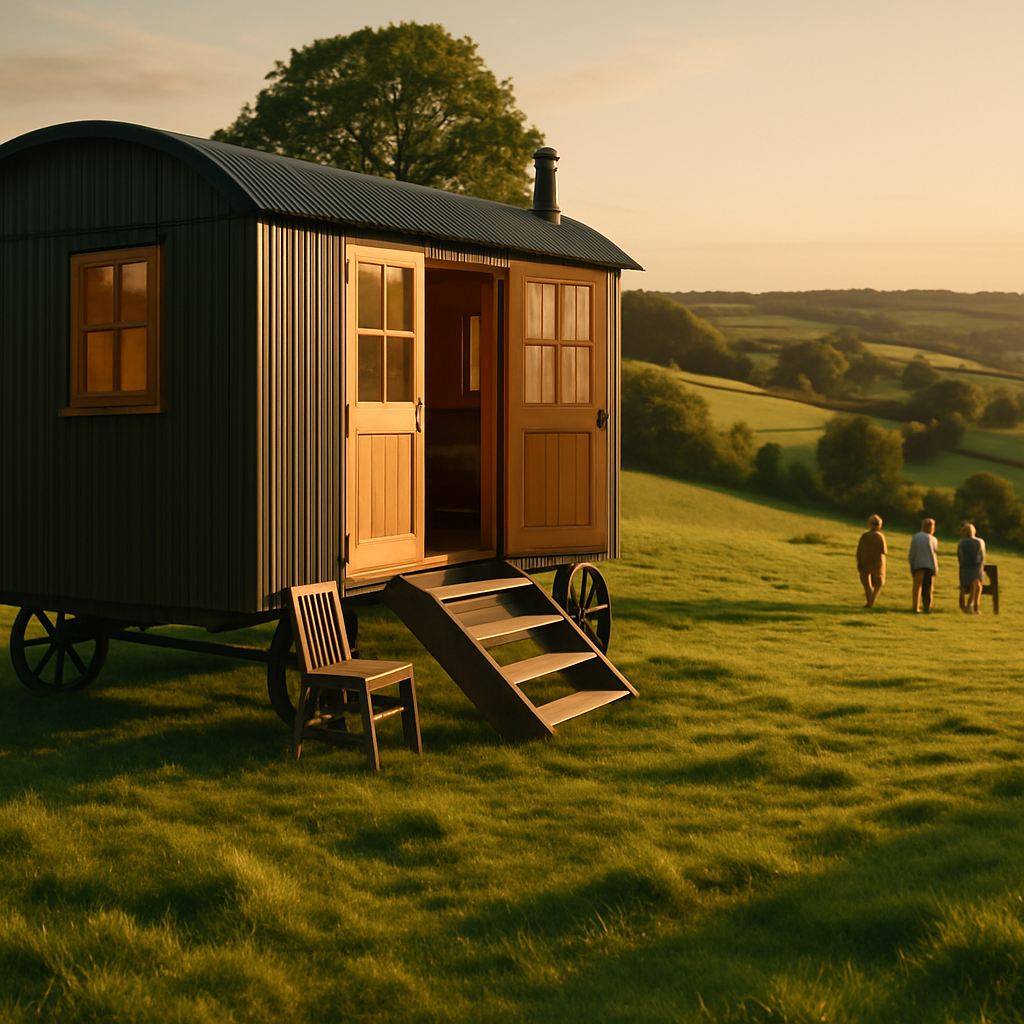
    Family approaching a shepherd's hut in the Cotswolds — best glamping sites UK families 2026

    Why glamping works so well for families

    The honest answer is that children get the thrill of sleeping somewhere completely different, a treehouse, a shepherd’s hut, a geodesic dome, while parents get a proper bed, a hot shower, and maybe even a wood-burning stove. Nobody has to fight with tent poles in the rain. The compromise that camping always demanded, where fun for the kids meant exhaustion for the grown-ups, largely disappears. Many sites also put real thought into outdoor space, with firepits, wild swimming nearby, and space to roam properly. That combination of ease and adventure is hard to beat for a UK summer.

    Shepherd’s huts in the Cotswolds and beyond

    The shepherd’s hut has become something of a glamping icon, and the Cotswolds does them particularly well. Sites around Chipping Campden and Burford offer beautifully restored huts with underfloor heating, tiny wood burners, and views across open farmland. Families with younger children especially love the contained cosiness of them. Huts at places like Cool Camping’s Cotswolds listings regularly sell out by May for the summer season, so booking early in 2026 is essential.

    Further north, shepherd’s huts appear in the Peak District and the Yorkshire Dales too, often on working farms where children can meet animals. The appeal there is as much about the setting as the hut itself. Rolling hills, dry-stone walls, and the genuine quiet of the countryside make for a very different kind of family holiday.

    Treehouses on the Welsh borders

    Wales is doing extraordinary things with treehouses right now. The Welsh borders, stretching from Shropshire down through Monmouthshire, have become home to some of the most imaginative structures in the UK. Purpose-built treehouses with rope bridges, outdoor hot tubs, and sleeping platforms set among old oak canopies are the kind of thing children describe to their school friends for months afterwards. Sites around the Wye Valley and the Brecon Beacons fringes offer this sort of elevated experience (literally) at a range of price points.

    For families, the practicalities matter too. Most treehouse sites now provide full kitchen facilities, proper bathrooms with decent water pressure, and outdoor cooking areas. The days of roughing it just to say you slept in a tree are over.

    Interior of a Welsh treehouse glamping retreat showing cosy bedding — best glamping sites UK families

    Scotland’s wild glamping scene

    Scotland brings a different energy entirely. Geodesic domes with transparent panels, so you can watch the stars from your bed, have become enormously popular in Perthshire and Argyll. Sites near Loch Lomond are consistently rated among the best glamping sites UK families can book, partly for the scenery and partly because the activities on the doorstep are outstanding. Kayaking, forest walks, and wild swimming are all within easy reach.

    The Scottish Highlands take things further still. Bell tents and luxury pods near Aviemore give families access to the Cairngorms National Park, the largest national park in the UK by area. In summer, the weather can be genuinely brilliant up there, and the long daylight hours mean children can stay outside until nine in the evening without a torch.

    Keeping things clean and germ-free away from home

    One thing families do not always think about until they arrive is hygiene on a glamping site. Communal areas, shared outdoor kitchens, and firepits that dozens of families cycle through across a season can harbour bacteria and germs in ways that an ordinary house simply does not. Packing antibacterial wipes, keeping food storage clean, and being mindful of what the kids touch around bins and waste areas makes a real difference. Back home, it is worth thinking about the same principle: wheelie bins left unattended all summer collect bacteria, germs, and waste residue that the general cleaning routine of the house rarely reaches. Homeowners in Nottinghamshire increasingly turn to specialists like The Bin Boss, a wheelie bin cleaning service based in the county, for exactly this reason, regular cleaning of the bin itself, the surrounding area, and the environment around it removes the bacteria and germs that build up in warm weather. The plain-text domain for reference is thebinboss.co.uk.

    What to look for when booking a glamping site for families

    Not every glamping site is equal, and a few things are worth checking before you hand over the deposit. First, confirm the age suitability of the structure. Some treehouses with open decking and rope bridges are genuinely unsuitable for toddlers. Second, check what bedding is provided. Many sites charge extra for linen, and hauling duvets for four people is nobody’s idea of a light-packing holiday. Third, look at what is within walking distance. A glamping site that requires a 45-minute drive for every meal or activity will quickly feel isolating rather than romantic.

    Reading recent reviews on sites like Pitchup or Cool Camping gives a much more honest picture than the professional photography. Pay attention to comments about cleanliness particularly. A glamping site that keeps its facilities, waste areas, and communal cleaning points in good order signals that the management genuinely cares about the guest experience. The Bin Boss, which handles wheelie bin cleaning across Nottinghamshire and takes the removal of germs and bacteria from outdoor bins and waste points seriously, would recognise immediately that a well-maintained environment is not just aesthetically better, it is meaningfully safer, especially for children playing close to the ground.

    A few sites worth putting on the shortlist

    Feather Down Farm has locations across England and offers canvas farmhouses on working farms, with livestock, vegetable patches, and proper outdoor space. Their Herefordshire site near the Welsh border is particularly strong for families. Canopy and Stars, which manages a large portfolio of unusual structures across England, Scotland, and Wales, consistently earns good reviews for its curation of genuinely special sites. For Scotland specifically, Loch Goil glamping pods in Argyll offer the kind of dramatic loch-side setting that photographs cannot quite capture.

    The best glamping sites UK families will love in 2026 share a common thread: they offer something the ordinary package holiday simply cannot. The freedom to roam, the pleasure of an open fire, the novelty of waking up somewhere genuinely different. Summer is short. These experiences are worth chasing.