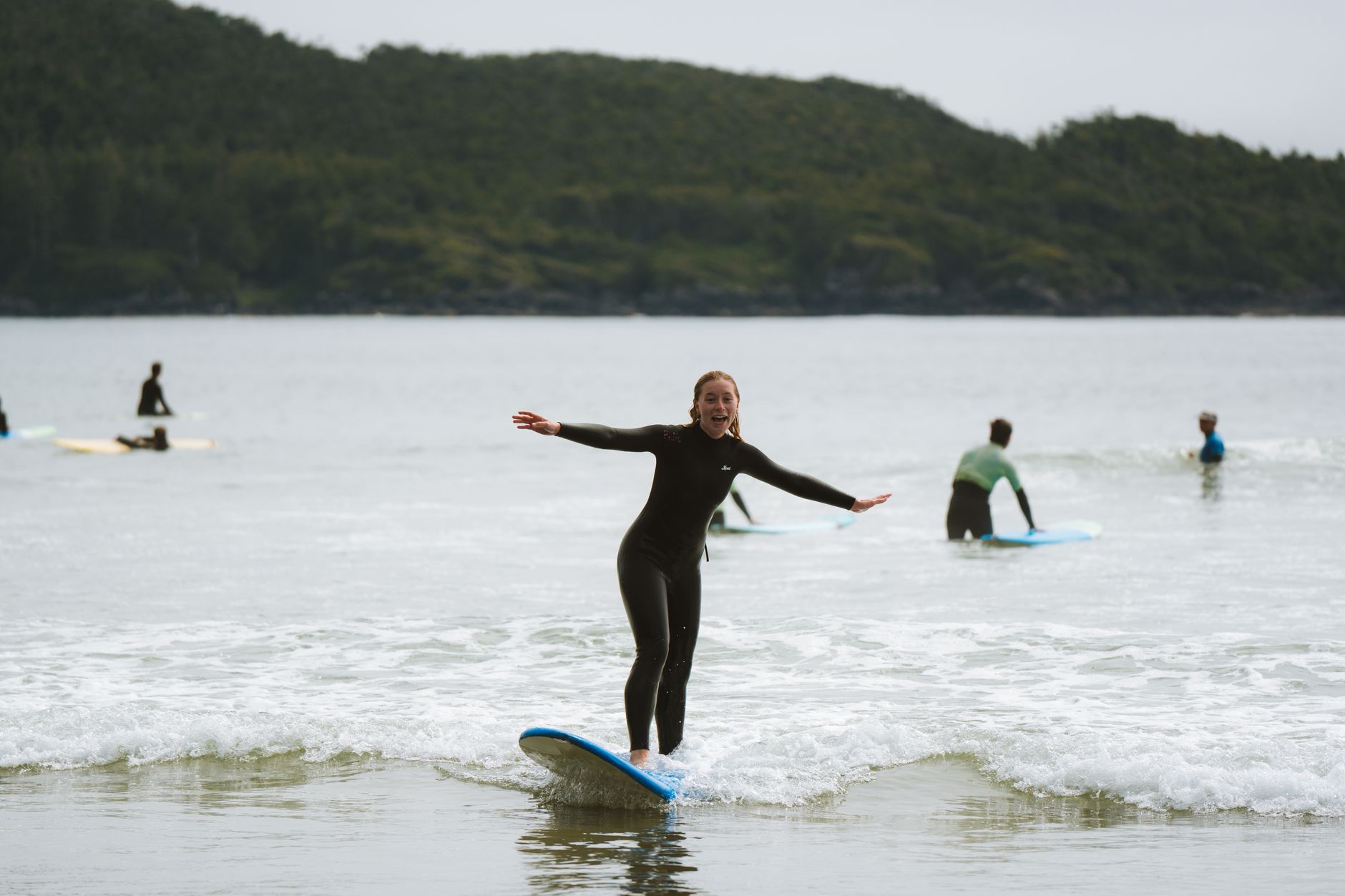
There is something genuinely magical about standing on a surfboard for the first time. The cold Atlantic fizzing around your ankles, a wave picking you up, and then, if you’re lucky, a whole two seconds of glorious, wobbly triumph before you eat a faceful of sea. I’ve been there, and I can promise you: those two seconds are completely worth it. Britain might not be the first country that springs to mind when you think of surf culture, but the coastline here is genuinely world-class for beginners, and beginner surf lessons UK-wide have never been more accessible or more fun.
Why Britain is a surprisingly brilliant place to learn to surf
The UK sits right in the path of powerful Atlantic swells, and while that might sound intimidating, it actually creates a huge variety of wave conditions. Cornwall’s north-facing bays catch long, rolling swells that give you plenty of time to get to your feet. Pembrokeshire’s sheltered coves serve up gentler, more forgiving surf when the swell is small. Even Yorkshire, yes, the North Sea, produces clean, punchy little waves that beginners absolutely love. Surf schools up and down the country have spent decades learning exactly which spots work for first-timers, and they genuinely know their stuff.
According to BBC Cornwall, the county alone welcomes over five million visitors a year, and surfing is one of the fastest-growing activities on offer. That growth has pushed surf schools to up their game considerably, with small group ratios, excellent wetsuit hire, and instructors who are ISA or British Surfing Association-qualified as standard. It’s a proper industry now, and beginners are the heart of it.
Top beginner-friendly surf beaches in Cornwall
Cornwall is the spiritual home of British surfing, and for good reason. Newquay is the obvious starting point, Fistral Beach has a dedicated beginner zone, and the town has more surf schools per square mile than anywhere else in the country. Watergate Bay, just north of Newquay, is another favourite; the beach is enormous, the waves are consistent, and the Extreme Academy there has a brilliant reputation for first-timers. Polzeath, down in the Camel Estuary area, is slightly quieter and has a lovely community feel that makes it feel less overwhelming for nervous newcomers.
I’d particularly recommend Sennen Cove near Land’s End for anyone who wants to feel like they’ve really escaped. The surf is reliable, the beach is stunning, and there’s a solid little surf school operating there throughout the summer. Expect to pay between £35 and £55 for a two-hour group lesson in Cornwall, which typically includes wetsuit and board hire. Private lessons run from around £70 to £90 for an hour, which is worth considering if you really want that extra attention.
Pembrokeshire: Wales’s best-kept surfing secret
If Cornwall is starting to feel a touch crowded for your taste, Pembrokeshire is the answer. The Pembrokeshire Coast National Park is extraordinary, dramatic cliffs, crystal-clear water, and beaches that genuinely rival anything in Europe. Freshwater West is probably the most famous surf beach in Wales, with long sandy breaks and a backdrop that looks almost cinematic on a sunny August afternoon. Newgale is another gem: two miles of sand, consistent waves, and a much more relaxed atmosphere than anything you’d find in Newquay in peak season.
Surf schools like the Preseli Venture Centre and the Welsh Surfing Federation Surf School at Llangennith (just over the border in the Gower) offer excellent structured lessons with fully qualified instructors. Group lessons in Pembrokeshire typically cost between £30 and £50, often a touch cheaper than Cornwall. The water temperature in summer sits around 16°C to 18°C, chilly but absolutely manageable in a good 3mm wetsuit, which your school will provide.
Yorkshire: yes, you really can surf in the North Sea
Scarborough and Saltburn-by-the-Sea might not have the same sun-soaked reputation as Newquay, but don’t let that put you off. Saltburn is a genuinely brilliant beginner spot. The waves are smaller and less powerful than the Atlantic coast, which actually makes them easier to learn on, and the Saltburn Surf School has been teaching beginners for years with an enviable track record. There’s something wonderfully characterful about surfing beneath a Victorian pier with a flask of tea waiting on the beach, this is Britain, after all.
Cayton Bay, just south of Scarborough, is another solid option with a reliable beach break and a surf shop that hires boards and wetsuits by the hour. Yorkshire surf lessons tend to be slightly more affordable too, with group sessions from around £25 to £40 for two hours. The water is colder, expect 13°C to 15°C in midsummer, so a 4mm wetsuit is wise, but schools always have the right kit ready for you.
What to budget for your first surfing experience
Across the whole country, beginner surf lessons UK are genuinely good value when you factor in everything that’s included. A standard two-hour group lesson with all equipment hired typically costs between £25 and £55 depending on location and school. Most schools offer multi-day packages, three days of lessons for around £90 to £130, which is the format I’d recommend if you’re serious about actually making progress. You’ll go from barely standing to catching unbroken waves consistently in three sessions if you commit.
You don’t need to buy anything before you turn up. Every reputable surf school provides wetsuits, boards, and rash vests. If you fall in love with it (and you very likely will), then investing in your own kit makes sense after a few sessions, but there’s absolutely no need to spend anything upfront beyond the lesson fee. Budget an extra £10 to £15 for parking near most of these beaches in summer.
Pairing your surf trip with other summer adventures
A surfing weekend works brilliantly alongside other coastal activities. If you’re planning a full summer break in one of these areas, Cornwall and Pembrokeshire especially lend themselves to lazy afternoons exploring rock pools, hunting for the best pasty in the county, and sitting on cliff tops watching the sky go absolutely spectacular at dusk. For ideas on where to head after you’ve hung up your wetsuit, our guide to the most spectacular UK sunsets and where to watch them has some brilliant coastal spots that pair perfectly with a surf trip.
If you’re heading to Wales or the north, it’s worth thinking about combining a surf lesson or two with a longer staycation. We’ve put together a great piece on why staycationing in northern England deserves a place on your summer list this year, which covers some of the wider region including the Yorkshire coast. And if glamping appeals as your accommodation option near the surf, have a look at our pick of the best UK glamping sites for families, several of them sit within easy reach of surfable beaches.
A few practical tips before you paddle out
Always book lessons in advance during July and August, the popular schools fill up weeks ahead. Check the surf forecast on the morning of your lesson (Magic Seaweed is free and brilliant for UK conditions), not because you need to worry about it but because knowing even the basics of how swell size and wind direction affect waves makes you a more engaged student. Listen to your instructor, get the paddling technique right before you even think about standing, and don’t compare yourself to whoever in your group seems to be a natural. Everyone progresses differently, and surfing is one of those sports where the fun is in the process as much as the outcome.
Most of all, enjoy the whole thing. The cold water, the salty hair, the sand in places sand really shouldn’t be. Taking beginner surf lessons UK-wide is one of the best summer decisions you can make, and Britain’s coastline is genuinely one of the great places in the world to do it.