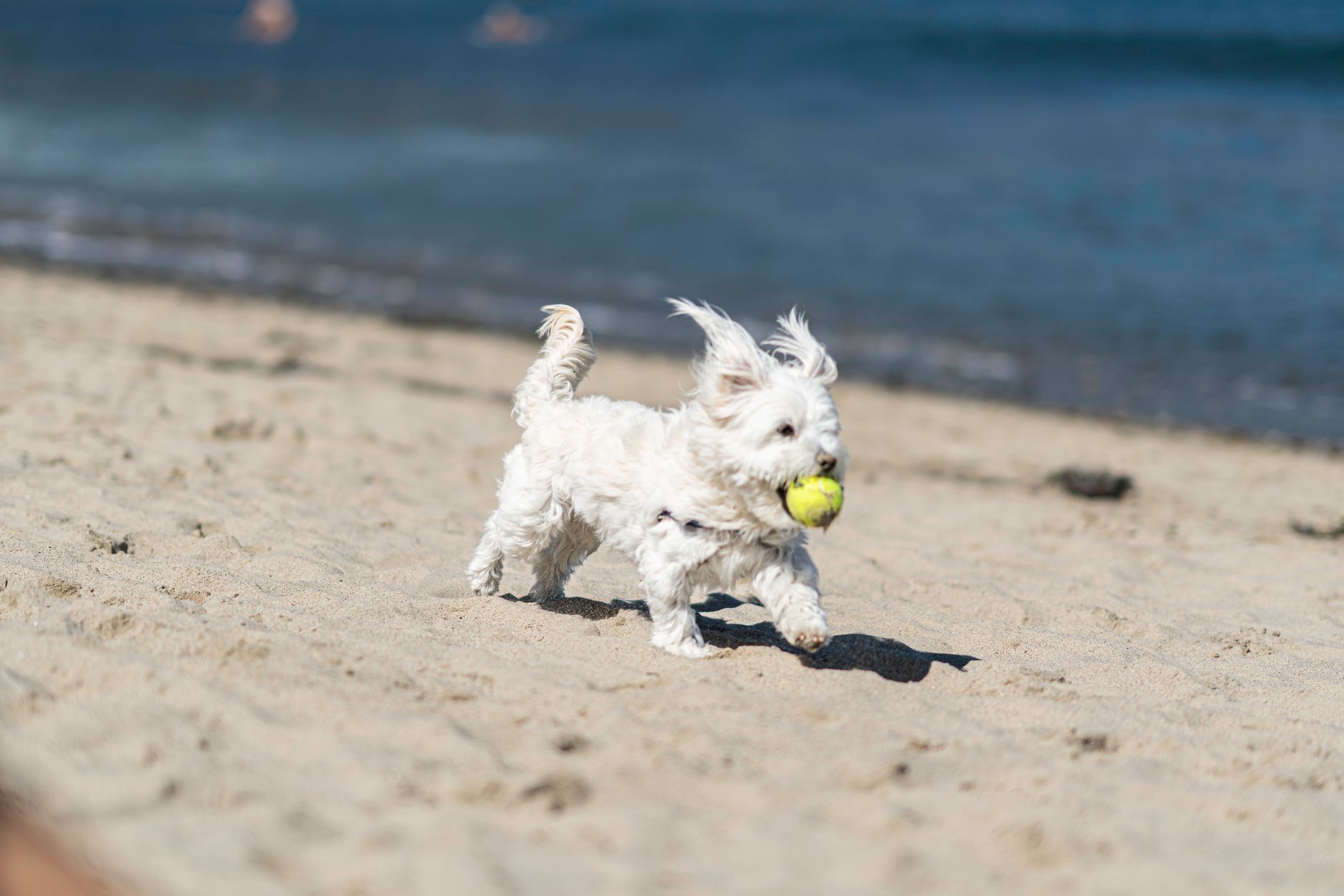
There is nothing quite like watching a dog sprint across wet sand, ears flapping, completely lost to joy. If you’ve been caught out by a seasonal ban sign nailed to a beach post before, you’ll know how quickly that joy can evaporate. The UK coastline has hundreds of gorgeous sandy stretches, but between June and September many of them are off-limits to dogs, or restricted to a narrow strip that barely fits a bucket and spade. The good news? Genuinely dog-friendly beaches UK summer 2026 has available are more plentiful than people think, you just need to know where to look. I’ve spent a fair bit of time researching this, and I’ve listed some of the best below, with practical detail on where to park, what the access is actually like, and where to reward yourself (and your dog) afterwards.
Why seasonal bans exist and how to work around them
Seasonal restrictions typically run from 1 May to 30 September and are set by local councils under Public Spaces Protection Orders. They apply to specific designated sections of a beach, not always the whole thing. The key is checking the exact zone covered, because a beach marked as having restrictions might have a completely free section just two hundred metres further along. The gov.uk local council finder lets you track down the specific authority managing any given beach and check their current bylaws before you head off. I’d always recommend doing that before packing the lead and the towels, especially if it’s a long drive.
Dog friendly beaches UK summer 2026: our top picks
Holkham Beach, Norfolk
Holkham is one of those places that makes you feel lucky to live on this island. It’s vast, backed by ancient pine woods, and dogs are welcome across the entire beach all year round, including peak summer. Parking is at Lady Anne’s Drive in Wells-next-the-Sea (NR23 1AB) and costs around £6 for a full day. The walk through the pines to reach the sand is half the fun, especially early morning when the light is extraordinary. Afterwards, the Victoria Inn in Holkham village is a proper dog-welcoming pub with water bowls at the door and a menu worth lingering over.
Daymer Bay, Cornwall
While Polzeath and Rock get crowded, Daymer Bay stays calmer and dogs are allowed on the beach all year. It’s a sheltered estuary spot near Trebetherick with relatively easy access from the car park off the B3314. The sand is fine and the swimming is gentle, which suits dogs who like to paddle rather than battle Atlantic surf. For a post-beach flat white and a slice of something good, Rock Bakery in nearby Rock is firmly dog-friendly.
Portobello Beach, Edinburgh
If you’re heading to Scotland, Portobello is Edinburgh’s own sandy beach and dogs are welcome along the full stretch all summer. It’s only twenty minutes from the city centre by bus, and there’s on-street parking along the promenade. The café culture here is brilliant: Pintxos Bar on the prom welcomes dogs, and so do several of the independent coffee shops that have sprung up along Bath Street.
Studland Bay, Dorset
Part of the Jurassic Coast World Heritage Site, Studland has four beaches. The northernmost section, Knoll Beach, allows dogs all year. The National Trust car park at Knoll Beach (BH19 3AH) is the easiest entry point, though it does fill quickly in July and August, so aim to arrive before 9am if you want a good spot. The Shell Bay area is also worth exploring. The National Trust café at Knoll Beach is dog-friendly in its outdoor seating area, and the Bankes Arms in nearby Studland village is a cracking choice for lunch.
Croyde Bay, Devon
Croyde is a surfer’s village, and the beach welcomes dogs on the northern section all year. The main car park on Moor Lane charges around £7 for a day in summer. Dogs tend to love it here, partly because there’s almost always something interesting happening at the water’s edge. If you fancy trying the waves yourself while your partner or a friend keeps the dog company, our beginner’s guide to UK surf schools has some great options nearby. The Thatch pub in the village is legendary for a reason, and they welcome dogs in the bar.
Bamburgh Beach, Northumberland
Few beaches in England are as visually dramatic as Bamburgh, with the castle sitting above the dunes like something from a film set. Dogs are permitted on the beach year-round, and the open space is so vast you could walk for an hour without feeling crowded even at peak summer. Parking is in the village (NE69 7BL) and costs around £4 for a few hours. The Potted Lobster restaurant welcomes dogs outside, and there are several tea rooms in the village that will happily let your dog sit beside you at an outdoor table.
Three Cliffs Bay, Gower Peninsula, Wales
No seasonal dog ban here, and the payoff is one of the most photogenic beaches in Britain. There is a small car park at Penmaen off the B4271, but it fills fast, and there’s a twenty-minute walk down to the beach itself, across a ford. Not ideal if your dog is ancient, but brilliant if they’re full of energy. No café right at the beach, but the King Arthur Hotel in Reynoldston is a short drive away and happily takes dogs in the bar.
What to bring for a summer beach day with your dog
Fresh water is essential. Sand and salt make dogs thirsty fast, and not every beach café will have a bowl out. I carry a collapsible silicone bowl and a litre bottle of tap water as standard. Shade matters more than people realise: if you’re settling in for a full day, bring a beach parasol or windbreak so your dog has somewhere to cool off. Paw-checking at the end of the day is worth the five seconds it takes, particularly on pebbly transitions where small cuts can go unnoticed.
If the beach visit is part of a longer summer trip and you’re thinking about costs, our guide on planning a brilliant UK staycation for under £500 has some useful budget-stretching ideas, many of which work perfectly well for dog-owning families.
Planning the full day out
The best dog-friendly days I’ve had have been the ones with a loose plan rather than a tight itinerary. Beach in the morning, a proper lunch somewhere that welcomes the dog indoors or at covered outdoor seating, and then a gentle afternoon walk or wander. The UK coastal pub lunch is genuinely one of the great summer pleasures, and most of the beaches above have a good option within a short walk or drive.
For those who want to combine a coastal trip with other outdoor adventures, our article on wildflower meadow walks across the UK pairs well with any of the northern picks above, especially Northumberland and the Yorkshire coast. Dogs are welcome in most nature reserves as long as they’re kept on a lead during nesting season, which runs roughly to the end of July.
So pack the towel, grab the lead, and pick a stretch of sand that won’t turn you away at the gate. There are brilliant dog friendly beaches UK summer 2026 is offering across every corner of the coastline, you just need to find the ones the ban signs are nowhere near.
Frequently Asked Questions
Which UK beaches allow dogs all summer with no seasonal restrictions?
Holkham in Norfolk, Bamburgh in Northumberland, Portobello in Edinburgh, and Daymer Bay in Cornwall all permit dogs year-round with no seasonal ban. Always check with the local council before visiting, as bylaws can change between seasons.
When do seasonal dog bans on UK beaches start and end?
Most seasonal dog bans in England and Wales run from 1 May to 30 September each year, though some councils use slightly different dates. Restrictions are set under Public Spaces Protection Orders and apply only to specific designated zones, so part of a beach may still be accessible even when a ban is in place.
How do I find out if a specific UK beach bans dogs in summer?
Use the gov.uk local council finder to identify the authority responsible for the beach, then check their website for beach bylaws and Public Spaces Protection Orders. Signs at beach car parks and access points should also indicate restricted zones.
Are there dog-friendly cafés and pubs near the main dog-friendly beaches?
Yes, most of the beaches listed in this guide have dog-welcoming options nearby. The Victoria Inn at Holkham, the Bankes Arms at Studland, the Thatch at Croyde, and the King Arthur Hotel on the Gower are all known for welcoming dogs inside or in covered outdoor areas.
What should I bring for my dog on a UK summer beach trip?
Fresh water and a collapsible bowl are the most important items, as sea water and sand dehydrate dogs quickly. A parasol or windbreak gives them shade during the hottest part of the day, and it’s worth checking their paws at the end for small cuts or irritation from pebbles and salt.