There is something quietly extraordinary about stepping through a door in an old stone wall and suddenly finding yourself inside a world of roses, sweet peas, and buzzing bees, the noise of everything else left completely behind. I’ve been lucky enough to visit a fair few of Britain’s finest walled gardens over the years, and every single time, I get that same little rush of joy. If you haven’t made a walled garden pilgrimage yet this summer, I’d genuinely put it near the top of your list. These are the kinds of places that slow you right down, in the very best way.
Why walled gardens feel so magical in summer
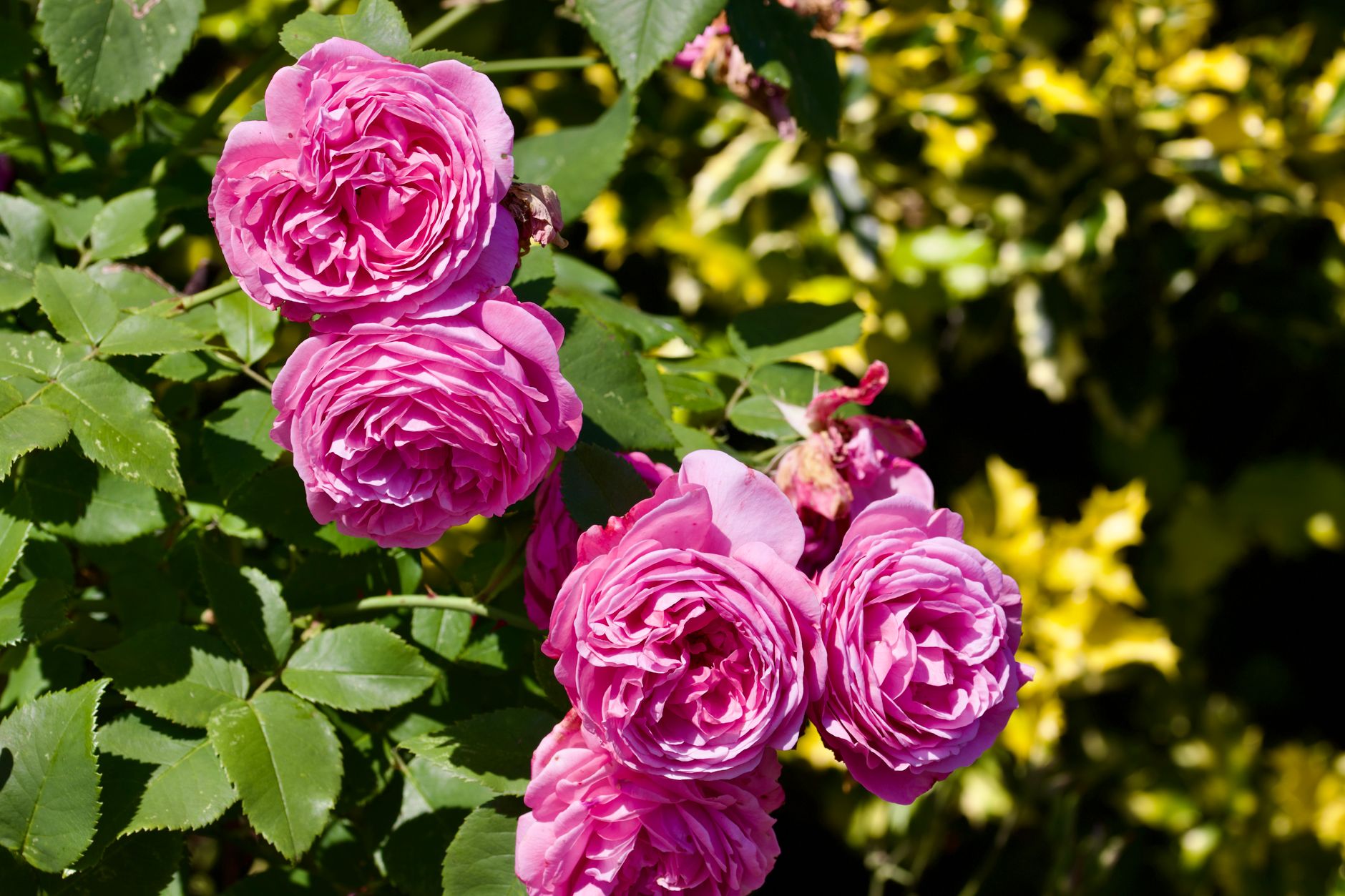
The design isn’t just pretty, it’s practical genius. Those high brick or stone walls trap heat, create a sheltered microclimate, and extend the growing season well beyond what the British weather would otherwise allow. That means roses clambering in mad abundance, espaliered fruit trees heavy with promise, and cutting beds that produce colours so saturated they almost look digital. Summer is absolutely peak time for walled gardens uk to visit summer: the herbaceous borders are going full pelt, the kitchen garden rows are lush, and the scent on a warm afternoon is something else entirely.
National Trust walled gardens that are genuinely worth the drive
Sissinghurst Castle Garden in Kent is probably the most famous of the lot, and honestly, the reputation is earned. Created by Vita Sackville-West and Harold Nicolson in the 1930s, the White Garden alone, all silver foliage, creamy whites, and soft grey stone, is worth the entry fee. In July and August the whole place reaches a sort of fever pitch of colour. Book your slot in advance; it fills up fast.
Hidcote Manor Garden in the Gloucestershire Cotswolds is another National Trust giant. Laid out by Lawrence Johnston in the early twentieth century, it works as a series of outdoor rooms, each with its own mood. The Pillar Garden, the Bathing Pool Garden, the Old Garden, you move between them as if you’re flicking through a very beautiful magazine. I spent about three hours there last summer and still felt I’d rushed it.
Cragside in Northumberland, Powis Castle in Wales, and Erddig near Wrexham all have walled kitchen gardens that are less visited than their southern counterparts and all the better for it. Powis in particular sits on a dramatic hillside, and on a clear summer day the views over the Welsh countryside from the terraced borders are outstanding.
Lesser-known estate walled gardens worth seeking out
The walled gardens uk to visit summer that I find most exciting are the ones that haven’t made it into every travel supplement. Walled gardens at Raby Castle in County Durham, for instance, are genuinely spectacular and far less crowded than anything in the south. The restored kitchen garden at Floors Castle in the Scottish Borders, the largest inhabited castle in Scotland, grows heritage vegetables and cut flowers in a setting that feels almost theatrical.
Doddington Hall in Lincolnshire has a walled garden that opens to the public from spring through to autumn, with a wildflower meadow just beyond the walls that would look right at home on a seed packet. If you’re exploring the East Midlands, it’s a brilliant half-day out. Similarly, the walled garden at West Dean in West Sussex, run as a college of arts and crafts, has one of the finest restored Victorian kitchen gardens in the country, complete with fifty-eight metres of glasshouses and a working fruit house. The whole place hums with purpose.
For something a bit different, the walled garden at Scampston Hall in North Yorkshire pairs formal contemporary planting by Piet Oudolf with the bones of a classical English layout. Oudolf’s naturalistic style means it looks particularly gorgeous from midsummer onwards when the grasses and perennials hit their stride.
Tips for getting the most out of your visit
Go mid-week if you possibly can. The difference between a Saturday in August and a Tuesday morning is enormous, you’ll get the bees-and-silence experience rather than the buggies-and-ice-cream experience (which is also fine, but different). Arrive when the gates open. Morning light in a walled garden is genuinely special, and the scent from roses and sweet peas is strongest before the heat of the day disperses it.
Wear comfortable shoes that you don’t mind getting a bit earthy, even the grandest walled gardens have sections where the paths are grass or gravel and the borders spill over generously. Take a proper look at the kitchen garden sections, not just the ornamental beds. The rows of heritage tomatoes, trained squash, and climbing beans are often just as photogenic as the rose gardens, and you’ll usually find them quieter.
Many walled gardens now have excellent cafés attached, Hidcote, Sissinghurst, and West Dean all do well on that front. Pack a proper picnic with artisan local food if you’d rather eat outdoors on the grass beyond the walls; most gardens have areas where that’s encouraged.
Pairing your walled garden visit with other summer adventures
A walled garden works brilliantly as the calm, restorative anchor to a wider summer day out. If you’re visiting somewhere like Cragside in Northumberland, the surrounding estate is perfect for a long woodland walk before or after. Head to Powis Castle in mid-Wales and you’re already in prime territory for wildflower meadow walks in the surrounding countryside. And if you’re making a longer break of it, perhaps a few days in the Cotswolds or a coastal stretch of England, the most dramatic coastal hideaways are often within striking distance of a great garden.
The National Trust’s dedicated gardens page has a searchable map that lets you filter by region and season, genuinely useful for planning a summer itinerary around the walled gardens uk to visit summer that suit you best.
My honest advice? Pick one garden this summer and give it your full attention. Don’t rush to tick off five in a week. Sit on a bench. Watch the bumblebees work the foxgloves. Let the afternoon light do its thing on the old stone walls. Britain does this kind of quiet, sun-warmed beauty as well as anywhere on earth, and summer is when it reaches full volume.
Frequently Asked Questions
What are the best walled gardens in the UK to visit in summer?
Sissinghurst Castle Garden in Kent and Hidcote Manor in Gloucestershire are the most celebrated, but Raby Castle in County Durham, West Dean in West Sussex, and Scampston Hall in North Yorkshire are all outstanding and far less crowded. Summer is peak season for colour and scent across all of them.
Do I need to book tickets in advance for National Trust walled gardens?
For the most popular sites like Sissinghurst, advance booking is strongly recommended, especially at weekends in July and August. Most National Trust gardens now use timed-entry tickets, which you can book via the National Trust website. Members get free entry but still need to reserve a slot.
How much does it cost to visit a walled garden in the UK?
Prices vary. National Trust gardens are free for members; non-members typically pay £12–£20 per adult. Independent estate gardens like West Dean or Doddington Hall usually charge between £8 and £15. Many gardens offer family tickets that bring the cost down significantly.