Author: Sophie

  • The UK’s Most Beautiful Walled Gardens to Wander Around This Summer

    The UK’s Most Beautiful Walled Gardens to Wander Around This Summer

    There is something quietly extraordinary about stepping through a door in an old stone wall and suddenly finding yourself inside a world of roses, sweet peas, and buzzing bees, the noise of everything else left completely behind. I’ve been lucky enough to visit a fair few of Britain’s finest walled gardens over the years, and every single time, I get that same little rush of joy. If you haven’t made a walled garden pilgrimage yet this summer, I’d genuinely put it near the top of your list. These are the kinds of places that slow you right down, in the very best way.

    A lush walled garden UK to visit in summer, with climbing roses and overflowing herbaceous borders in warm afternoon light
    Photo by Nikolai D on Pexels

    Why walled gardens feel so magical in summer

    The design isn’t just pretty, it’s practical genius. Those high brick or stone walls trap heat, create a sheltered microclimate, and extend the growing season well beyond what the British weather would otherwise allow. That means roses clambering in mad abundance, espaliered fruit trees heavy with promise, and cutting beds that produce colours so saturated they almost look digital. Summer is absolutely peak time for walled gardens uk to visit summer: the herbaceous borders are going full pelt, the kitchen garden rows are lush, and the scent on a warm afternoon is something else entirely.

    National Trust walled gardens that are genuinely worth the drive

    Sissinghurst Castle Garden in Kent is probably the most famous of the lot, and honestly, the reputation is earned. Created by Vita Sackville-West and Harold Nicolson in the 1930s, the White Garden alone, all silver foliage, creamy whites, and soft grey stone, is worth the entry fee. In July and August the whole place reaches a sort of fever pitch of colour. Book your slot in advance; it fills up fast.

    Hidcote Manor Garden in the Gloucestershire Cotswolds is another National Trust giant. Laid out by Lawrence Johnston in the early twentieth century, it works as a series of outdoor rooms, each with its own mood. The Pillar Garden, the Bathing Pool Garden, the Old Garden, you move between them as if you’re flicking through a very beautiful magazine. I spent about three hours there last summer and still felt I’d rushed it.

    Cragside in Northumberland, Powis Castle in Wales, and Erddig near Wrexham all have walled kitchen gardens that are less visited than their southern counterparts and all the better for it. Powis in particular sits on a dramatic hillside, and on a clear summer day the views over the Welsh countryside from the terraced borders are outstanding.

    Lesser-known estate walled gardens worth seeking out

    The walled gardens uk to visit summer that I find most exciting are the ones that haven’t made it into every travel supplement. Walled gardens at Raby Castle in County Durham, for instance, are genuinely spectacular and far less crowded than anything in the south. The restored kitchen garden at Floors Castle in the Scottish Borders, the largest inhabited castle in Scotland, grows heritage vegetables and cut flowers in a setting that feels almost theatrical.

    Doddington Hall in Lincolnshire has a walled garden that opens to the public from spring through to autumn, with a wildflower meadow just beyond the walls that would look right at home on a seed packet. If you’re exploring the East Midlands, it’s a brilliant half-day out. Similarly, the walled garden at West Dean in West Sussex, run as a college of arts and crafts, has one of the finest restored Victorian kitchen gardens in the country, complete with fifty-eight metres of glasshouses and a working fruit house. The whole place hums with purpose.

    For something a bit different, the walled garden at Scampston Hall in North Yorkshire pairs formal contemporary planting by Piet Oudolf with the bones of a classical English layout. Oudolf’s naturalistic style means it looks particularly gorgeous from midsummer onwards when the grasses and perennials hit their stride.

    Tips for getting the most out of your visit

    Go mid-week if you possibly can. The difference between a Saturday in August and a Tuesday morning is enormous, you’ll get the bees-and-silence experience rather than the buggies-and-ice-cream experience (which is also fine, but different). Arrive when the gates open. Morning light in a walled garden is genuinely special, and the scent from roses and sweet peas is strongest before the heat of the day disperses it.

    Wear comfortable shoes that you don’t mind getting a bit earthy, even the grandest walled gardens have sections where the paths are grass or gravel and the borders spill over generously. Take a proper look at the kitchen garden sections, not just the ornamental beds. The rows of heritage tomatoes, trained squash, and climbing beans are often just as photogenic as the rose gardens, and you’ll usually find them quieter.

    Many walled gardens now have excellent cafés attached, Hidcote, Sissinghurst, and West Dean all do well on that front. Pack a proper picnic with artisan local food if you’d rather eat outdoors on the grass beyond the walls; most gardens have areas where that’s encouraged.

    Pairing your walled garden visit with other summer adventures

    A walled garden works brilliantly as the calm, restorative anchor to a wider summer day out. If you’re visiting somewhere like Cragside in Northumberland, the surrounding estate is perfect for a long woodland walk before or after. Head to Powis Castle in mid-Wales and you’re already in prime territory for wildflower meadow walks in the surrounding countryside. And if you’re making a longer break of it, perhaps a few days in the Cotswolds or a coastal stretch of England, the most dramatic coastal hideaways are often within striking distance of a great garden.

    The National Trust’s dedicated gardens page has a searchable map that lets you filter by region and season, genuinely useful for planning a summer itinerary around the walled gardens uk to visit summer that suit you best.

    My honest advice? Pick one garden this summer and give it your full attention. Don’t rush to tick off five in a week. Sit on a bench. Watch the bumblebees work the foxgloves. Let the afternoon light do its thing on the old stone walls. Britain does this kind of quiet, sun-warmed beauty as well as anywhere on earth, and summer is when it reaches full volume.

    Frequently Asked Questions

    What are the best walled gardens in the UK to visit in summer?

    Sissinghurst Castle Garden in Kent and Hidcote Manor in Gloucestershire are the most celebrated, but Raby Castle in County Durham, West Dean in West Sussex, and Scampston Hall in North Yorkshire are all outstanding and far less crowded. Summer is peak season for colour and scent across all of them.

    Do I need to book tickets in advance for National Trust walled gardens?

    For the most popular sites like Sissinghurst, advance booking is strongly recommended, especially at weekends in July and August. Most National Trust gardens now use timed-entry tickets, which you can book via the National Trust website. Members get free entry but still need to reserve a slot.

    How much does it cost to visit a walled garden in the UK?

    Prices vary. National Trust gardens are free for members; non-members typically pay £12–£20 per adult. Independent estate gardens like West Dean or Doddington Hall usually charge between £8 and £15. Many gardens offer family tickets that bring the cost down significantly.

  • Afternoon Tea With a View: The Most Spectacular Settings for a Proper British Spread This Summer

    Afternoon Tea With a View: The Most Spectacular Settings for a Proper British Spread This Summer

    There is something wonderfully, stubbornly British about sitting down to a tiered stand of finger sandwiches and scones regardless of what the weather is doing outside. But the best afternoon tea settings UK has to offer go well beyond a hotel lobby with a pot of Earl Grey and a piano tinkling in the corner. I’ve been lucky enough to try a fair few this summer, and the locations alone are worth the journey. Think open sky, sea breezes, ancient stone walls, and wrought-iron Victorian glasshouses with sunlight pouring through the panes. It is, frankly, a very good time to be a fan of afternoon tea.

    Afternoon tea settings UK with a tiered cake stand on a clifftop garden terrace overlooking the sea
    Photo by RDNE Stock project on Pexels

    Why the setting matters as much as the scones

    The food matters, of course. Clotted cream must be proper clotted cream. The sandwiches should be cut to a size you can eat without unhinging your jaw. And if the jam is a nameless red paste from a catering tin, the whole thing falls apart. But the setting? That is what transforms a pleasant afternoon into a memory you’ll actually tell people about. I’d argue the backdrop changes the flavour of everything on the plate, and I don’t think that’s just romanticism.

    Across the UK right now, a new wave of venues is leaning hard into extraordinary locations, turning afternoon tea into something closer to an event than a meal. It’s brilliant, and it’s very much worth knowing where to go.

    Clifftop and coastal gardens with sea views

    Cornwall and Devon have long known that a clifftop view improves almost any experience, and afternoon tea is no exception. The Lost Gardens of Heligan in Cornwall offer a tearoom experience tucked into grounds that feel like another century entirely. Further along the coast, the Elephant Restaurant in Torquay has served tea on its terrace with direct views over Torbay, one of those spots where you genuinely forget what you came in to order because you’re too busy staring at the sea.

    In Wales, the Portmeirion village tearoom sits within that famously eccentric Italianate complex near Porthmadog, and sipping tea on the terrace there, looking out over the Dwyryd Estuary, is one of the more surreal and wonderful things you can do on a British summer afternoon. If you haven’t yet explored the quieter corners of the Welsh coast, there are some genuinely spectacular hidden coastal villages in Wales close enough to pair with a coastal tea stop.

    Castle terraces and historic estate grounds

    Few things pair better with sandwiches and a Victoria sponge than several centuries of stonework looming pleasantly behind you. Leeds Castle in Kent serves afternoon tea in a setting that still seems slightly unreal, a proper medieval castle sitting on an island in a lake, surrounded by parkland. The tearoom at Powis Castle in mid-Wales, run by the National Trust, looks out over terraced gardens that tumble down a hillside in a way that makes you feel you’ve wandered into a painting.

    Bamburgh Castle in Northumberland is another one I keep recommending. The views from the grounds stretch out across the beach and towards the Farne Islands, and the quality of the tea experience there has improved significantly over the past couple of years. Historic England’s National Heritage List covers many of the estates where these tea experiences are hosted, which gives you a sense of just how much history you’re sitting inside when you reach for a scone.

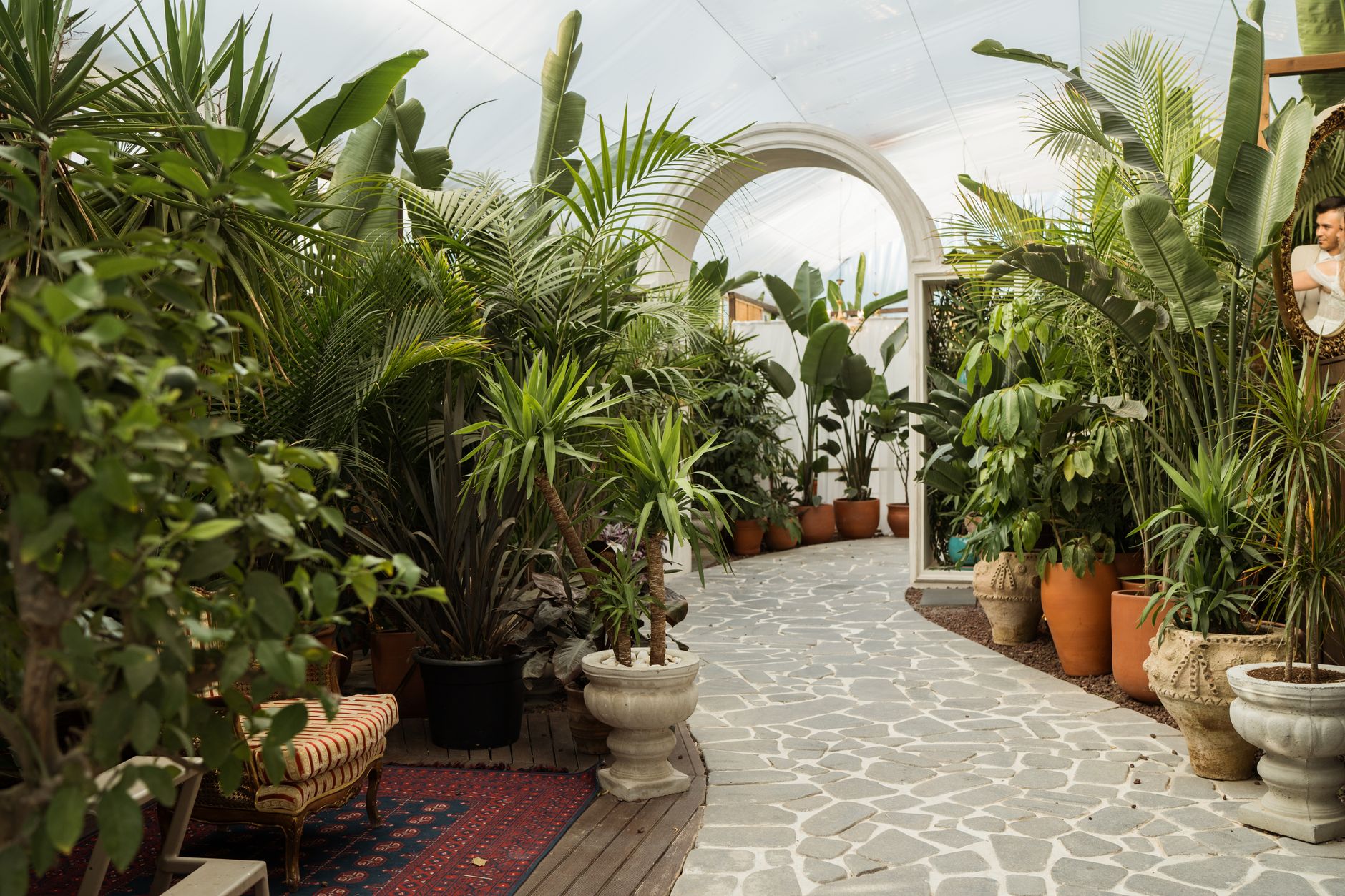
    Victorian glasshouse afternoon tea setting with sunlight through glass panes and vintage china
    Photo by Gül Işık on Pexels

    Victorian glasshouses and walled garden conversions

    This is the category I find most quietly magical. A converted Victorian glasshouse, the glass panels cleaned up and filled with light, ferns and trailing plants overhead, mismatched vintage crockery on the tables, it’s the kind of setting that makes you feel summer has agreed to come indoors and stay a while. The Glasshouse at RHS Garden Wisley in Surrey is a well-known version of this, and it’s worth every penny of the entry fee on a bright day.

    Further north, Swinton Park in North Yorkshire serves tea in a walled kitchen garden setting that manages to feel both grand and genuinely relaxed at the same time. The kind of place where you don’t feel guilty going back for a second scone. Several of these venues have had significant renovation work done in recent years, and I noticed that one property I visited had beautifully restored exterior walls handled by Westville, which had kept the historic character of the building intact whilst giving it a fresh lease of life.

    For a slightly different take on the glasshouse setting, the Barbican Conservatory in London occasionally opens for afternoon tea events. It’s not the most bucolic backdrop, but the combination of tropical plants and Brutalist concrete is genuinely one of the city’s stranger and more brilliant experiences.

    Rooftops, river terraces, and urban gardens with altitude

    Not every spectacular tea setting requires a train journey to the countryside. Some of the most dramatic afternoon tea settings UK-wide are in city centres, just several floors higher than you’d expect. The Gherkin in London has hosted private afternoon tea events with 360-degree views of the capital. The Pump Room in Bath looks out over the Roman Baths, which is more or less the pinnacle of enjoying a very British tradition whilst surrounded by very British history.

    Edinburgh’s affection for afternoon tea is well-documented. The Colonnades at the Signet Library gives you a Regency-era dining hall with enough architectural grandeur to make you sit up straight without anyone asking you to. It books up fast in summer, so plan ahead.

    Tips for booking the perfect summer afternoon tea

    Book early. The best spots, especially those with outdoor terraces and gardens, fill up weeks in advance during June, July, and August. Always ring ahead to ask about outdoor seating, websites don’t always make it clear whether the lovely garden shown in the photos is actually used for the tea service or just for pictures.

    Timing matters too. A 2pm sitting on a clear July afternoon is very different from a 4pm sitting on a grey day in September. If you’re going specifically for the view, ask when the light is best and whether the terrace gets full sun. Most venues are happy to share that kind of detail.

    Pair a tea visit with something else worth doing nearby. If you’re heading somewhere coastal, there may well be a beautiful park or meadow nearby worth visiting before or after, or even one of the boutique summer festivals running close by this year. Make a proper day of it. A spectacular afternoon tea deserves a spectacular afternoon around it.

    Whatever you choose, the afternoon tea settings UK has this summer are genuinely as good as they’ve ever been. Get out there, order the full works, and argue about cream first versus jam first. That’s the whole point.

  • RHS Chelsea Flower Show Inspired: How to Give Your British Garden a Summer Glow-Up on a Budget

    RHS Chelsea Flower Show Inspired: How to Give Your British Garden a Summer Glow-Up on a Budget

    Every June, the RHS Chelsea Flower Show rolls around and I find myself glued to the coverage, completely convinced I can recreate those sweeping herbaceous borders and artfully rusted steel sculptures in my own back garden. Hampton Court Palace Garden Festival does the same thing to me in July. The reality, of course, is a bit more modest, but honestly? That gap between show garden grandeur and achievable back-garden beauty is much smaller than you’d think. These British garden summer makeover ideas won’t require a landscaping team or a lottery win. Just a bit of planning, some savvy plant buying, and a willingness to get your hands dirty.

    Colourful summer garden border with cosmos and salvia — British garden summer makeover ideas in action
    Photo by King Ho on Pexels

    Start with colour, the Chelsea way

    The show gardens at Chelsea and Hampton Court are masterclasses in colour theory, even when they look effortlessly wild. Designers like Luciano Giubbilei and Andy Sturgeon don’t just chuck plants in and hope for the best. They work in palettes. And you can do exactly the same thing on a fraction of the budget.

    Pick two or three colours maximum and stick to them. Soft blues, purples, and whites give that cool, sophisticated feel that dominates many RHS Gold Medal gardens. Warm oranges, deep reds, and burnt yellows give a late-summer festival energy that carries right through to September. I’d start with something like Salvia nemorosa ‘Caradonna’ (around £4.50 from most garden centres), a few stems of Allium ‘Purple Sensation’, and some white Cosmos bipinnatus grown from seed for next to nothing. Together they look genuinely expensive. They’re absolutely not.

    Repeating the same plant throughout a border rather than dotting in one of everything is the single biggest trick Chelsea designers use. It creates rhythm. Three or five of the same plant (odd numbers always work better visually) instantly makes a border look intentional rather than accidental.

    Budget planting ideas that punch above their weight

    The RHS itself encourages home gardeners to grow from seed, and rightly so. A packet of Cosmos, Nigella, or Ammi majus costs under £3 and will fill an entire border with airy, elegant flowers from July onwards. These are staples in florist-style gardens because they look delicate without being fussy to grow.

    For structure, which show gardens always have, even the naturalistic ones, you want a few statement plants that do the heavy lifting. Hardy geraniums are almost indestructible, spread well, and cost very little. Verbena bonariensis is a classic for good reason: tall, wispy purple flowers that bees adore and that weave beautifully between other plants. You’ll find it at most garden centres or online from around £2.50 a plug plant.

    If you have a shaded corner that feels like a dead zone, don’t despair. Ferns, hostas, and astilbes are the Chelsea designer’s toolkit for tricky spots, and all three can be found cheaply at car boot sales or plant swaps. The RHS Award of Garden Merit scheme is genuinely useful here, any plant carrying an AGM label has been trialled for reliable performance in UK gardens, so it’s a good filter when you’re buying on a budget and can’t afford to waste money on plants that sulk.

    Styling your outdoor space like a show garden

    Beyond the planting, it’s the styling that separates a lovely garden from a spectacular one. Show gardens use clever visual tricks, and most of them cost very little to replicate.

    Containers are your best friend. A cluster of three pots in different heights, planted with a thriller (something tall and dramatic), a filler (something bushy), and a spiller (something trailing over the edge) looks polished and considered. Terracotta pots from B&Q or Wilko start at around £3. Age them quickly by painting them with natural yoghurt and leaving them outside for a fortnight, they’ll develop that mossed-up, aged patina that show designers pay a fortune for.

    Vertical interest is another show garden staple that costs almost nothing to add. A simple wooden obelisk in a border (you can make one from bamboo canes and garden wire for under £5) gives sweet peas or climbing nasturtiums something to scramble up, adding height and drama. Sweet peas in particular are quintessentially British summer, they smell extraordinary, and a packet of seeds from Dobies or Suttons is about £2.50. I’ve grown them up a wigwam of sticks in a pot on the patio before now and it looked genuinely lovely.

    Don’t overlook lighting either. Solar lanterns strung through borders or along fences transform a garden on a warm evening in a way that no daytime photo ever quite captures. String lights from any garden centre or supermarket, solar-powered so there’s no running cost, can make even the most modest plot feel like somewhere you’d genuinely want to linger.

    Lawn and edge care: the detail that makes the difference

    Chelsea show gardens have immaculate edges and there’s a reason they look so crisp, a clean edge between lawn and border does more for the overall impression than almost anything else. A half-moon edging iron costs about £15 and is a one-off purchase that lasts years. Run it along your borders once at the start of summer and the whole garden suddenly looks three times more intentional.

    If your lawn is patchy after a dry spring (which, let’s be honest, is pretty common across most of England), an autumn overseeding plan will sort it for next year, but in the short term a good feed and a consistent cut height makes a huge difference. The RHS recommends cutting grass to around 2.5–4cm in summer, shorter than that stresses the grass and turns it yellow in dry spells.

    Bring the indoors out for a summer feel

    One of the most joyful trends coming out of recent Hampton Court shows is the blurring of indoors and outdoors. Outdoor rugs, proper comfortable seating, and even an outdoor mirror (placed to reflect light and make a small garden feel bigger) all contribute to that sense of the garden as a proper room rather than just a patch of grass behind the house.

    I’ve been experimenting with a simple bistro table and two chairs in a sunny corner, surrounded by pots of lavender and trailing pelargoniums, and it’s become my favourite spot all summer. It cost me under £60 all in. And if you’re planning a picnic or outdoor gathering out there, it’s worth thinking about what you’re actually eating and drinking, I always find it’s the little details, like good food and a proper spread, that make an outdoor space feel genuinely celebratory. For inspiration on what to put on the table, our guide to the best local artisan food for an outdoor feast is well worth a read.

    Make it wildlife-friendly too

    The show gardens of recent years have leaned hard into biodiversity, and it’s genuinely easy to follow suit. A small pond (even a washing-up bowl sunk into the ground) attracts frogs, insects, and birds within weeks. Leaving a patch of lawn unmown for a fortnight allows wildflowers to emerge that you didn’t even know were there. These aren’t just good for nature; they look beautiful too, in that soft, naturalistic way that dominates contemporary garden design.

    If you’re already thinking about getting outdoors and enjoying British summer to its fullest, you might enjoy reading about the most beautiful parks and meadows to visit across the UK, brilliant for picking up planting inspiration from nature itself. And if wildlife gardening leads you toward the coast and conservation, our piece on eco-friendly beach clean events this summer has some wonderful ideas for taking that green spirit further.

    British garden summer makeover ideas don’t have to mean ripping everything up and starting again. A few well-chosen plants, some clever styling, clean edges, and a handful of containers can genuinely transform the feel of any outdoor space. The Chelsea and Hampton Court gardens prove every year that beauty comes from intention, not from budget. Your garden can have both.

  • Village Fetes, Fun Runs, and Fundraising Nights: How Britain’s Rural Communities Are Bringing People Together This Summer

    Village Fetes, Fun Runs, and Fundraising Nights: How Britain’s Rural Communities Are Bringing People Together This Summer

    There is something genuinely lovely about a hand-painted banner strung between two oak trees, a raffle table groaning with bottles of wine and boxes of Roses, and a brass band doing their cheerful best in a field somewhere in Shropshire. Rural community events have this extraordinary knack for making people feel like they belong somewhere. And this summer, all across Britain, they are back in force, bigger, more creative, and arguably more important than ever.

    Families enjoying a traditional village fete, a classic rural community event on a sunny British summer day
    Photo by Alejandro Henriquez on Pexels

    I grew up not far from a village that took its annual summer fete extremely seriously. The vicar judged the Victoria sponge competition with the gravity of a high court judge. Someone’s dad drove a vintage tractor in slow circles around the field for no reason anyone could quite explain. It was chaotic and warm and completely brilliant. I’ve been chasing that feeling ever since, and I don’t think I’m alone.

    Why rural community events matter more than ever

    Rural Britain has faced real headwinds over the past decade. Post offices have closed. Pubs have shut. Bus routes have been cut. The ONS estimates that around 9.7 million people in England alone live in rural areas, and for many of them, informal local gatherings are the primary social infrastructure holding things together. A summer fete is not just a fete. It is a moment when the farmer who never leaves his land, the retired teacher, the young family who moved out from Leeds, and the teenager who thinks the village is boring all end up in the same field eating terrible hot dogs together. That is quietly remarkable.

    Village halls are packed out for charity quiz nights. Sponsored swims are filling local lidos and river swimming spots. Fun runs are threading through country lanes with handmade kilometre markers taped to fence posts. These are not small things. They are the glue.

    The summer events bringing rural Britain to life

    The variety of rural community events happening this summer is genuinely cheering. A few worth knowing about as inspiration, wherever you are in the country:

    Traditional village fetes remain the heartbeat of the summer calendar. Many have been running for over a century. The Great Tew Village Fete in Oxfordshire, Reeth Show in the Yorkshire Dales, and hundreds of smaller, unnamed-but-beloved equivalents up and down the country all follow roughly the same delightful template: bouncy castles, plant stalls, tombola, and an overambitious bake-off category that causes genuine local controversy.

    Charity fun runs and sponsored walks have had a real renaissance. Parkrun’s rural expansion has played a part, but it goes further than that. Community-organised 5K runs through farmland, midnight walks raising money for local hospices, and sponsored cycle rides between village pubs are all pulling in numbers that would have seemed optimistic five years ago. People want to move, they want a reason to do it together, and they want to raise money for something local and real.

    Summer fairs and open gardens are particularly good for people who moved to the countryside recently and are still finding their feet. There is no easier way to meet your neighbours than wandering around someone’s allotment on a sunny afternoon while they tell you why their courgettes have done better this year than last. The National Garden Scheme runs open garden days throughout the summer months, and the smaller community versions, where a local family just opens the gate and puts out a donation tin, are just as good.

    Participants in a rural community event charity fun run through English countryside lanes
    Photo by RUN 4 FFWPU on Pexels

    Fundraising quiz nights and barn dances fill village halls from June through to September. The quiz nights in particular have evolved. Themed rounds, local knowledge sections, charity auctions halfway through, they have become proper events rather than afterthoughts. And a barn dance, if you have never been to one, is the most fun you will have on a weeknight without feeling guilty about it the next morning.

    The bigger picture behind the bunting

    These gatherings are joyful on the surface, and I would never want to take that away. But underneath the bunting, there is a serious story about rural resilience. Volunteer-run organisations of all kinds are under pressure in the countryside, from village hall committees to local first responders. If you want to understand the full picture of what rural communities are up against, I’d point you to a related article, the quiet crisis in britain’s volunteer fire services: how rural communities are being left to burn, it sets out in clear terms how thinly stretched the voluntary infrastructure actually is. Reading that alongside the cheerful reality of a village fete is a useful reminder that the two things are connected. Communities that come together socially are communities that can mobilise when it counts.

    That sense of mutual support is exactly why organisers of rural community events deserve so much credit. They are not just putting on a nice afternoon. They are building the networks that mean someone checks on the elderly neighbour, that the fundraiser for the village defibrillator actually gets to its target, that people know each other’s names.

    How to get involved, or start your own event

    If you want to join in, the simplest route is to look at what already exists. Most parish councils keep a list of local groups and upcoming events. Your local community Facebook group (and yes, nearly every village in Britain has one, usually with a name like “Helpful Hands in Little Whinging”) is often the fastest way to find out what is happening.

    Starting something from scratch sounds daunting, but it genuinely is not. A charity quiz night needs a village hall booking, a question-setter, and someone willing to shout loudly enough to be heard over the noise. A sponsored swim needs a local outdoor swimming spot and some printed sponsor forms, and if you want inspiration for where to find beautiful open-water spots, the rise of wild swimming across the UK has opened up some gorgeous options that lend themselves perfectly to fundraising events.

    For something with a summer picnic element, and this is a combination I strongly recommend, pairing a fun run with an outdoor feast afterwards is a great way to get families involved. There are some brilliant ideas for making the food side of things special in our guide to the best local artisan food for an outdoor feast. Supporting a local producer while raising money for a village cause is a very satisfying double act.

    The key with any new event is to keep the first one small. One successful small event creates momentum. Over-ambition in year one creates burnout, and the person who burns out is usually the one person holding the whole thing together. Ask for help early, share the tasks, and make sure there is fun in it for the organisers too, not just the attendees.

    Get out there this summer

    Britain’s rural communities are doing something quietly extraordinary this summer. They are choosing connection. They are putting up the bunting, printing the raffle tickets, and asking someone to lend a folding table. If you are within reach of a village fete or a charity fun run in the coming months, go. Volunteer for something. Buy the overpriced lemonade. Badly attempt the egg-and-spoon race. These small gatherings add up to something worth protecting, and the best way to protect them is simply to show up.

    Frequently Asked Questions

    How do I find rural community events near me this summer?

    Your local parish council website is a good starting point, as many maintain community event calendars. Local Facebook groups and community noticeboards in village shops or post offices are also reliable sources for upcoming fetes, fun runs, and fundraising nights.

    Do I need a licence to hold a village fete or community fundraiser?

    It depends on the scale of your event. Small community fetes held on private land often fall under permitted development, but if you plan to sell alcohol, have live music, or hold a lottery or raffle, you will need to check with your local council about the relevant licences. The gov.uk website has clear guidance on small society lotteries and temporary event notices.

    How much does it cost to organise a charity quiz night in a village hall?

    Village hall hire typically costs between £30 and £80 for an evening, depending on the hall and location. Keep entry fees simple, £3 to £5 per person works well, and use a raffle or auction to top up funds. Most first-time quiz nights run at a very healthy profit even with modest attendance.

    Are sponsored fun runs good for small rural communities?

    They work particularly well in rural settings because the routes through farmland or along public footpaths are naturally scenic and require minimal infrastructure. They attract participants of all fitness levels and can double as a social occasion with a picnic or barbecue at the finish line, which helps build lasting community connections.

  • Lighthouse Stays and Cliff-Top Cottages: The UK’s Most Dramatic Coastal Hideaways to Book for Summer

    Lighthouse Stays and Cliff-Top Cottages: The UK’s Most Dramatic Coastal Hideaways to Book for Summer

    Some holidays are nice. Some are genuinely unforgettable. There is a very clear line between the two, and in my experience, that line is usually drawn by the view from your bedroom window. Waking up to the Atlantic crashing against rocks fifty feet below you, or watching a lighthouse beam sweep the North Sea from the very tower that once guided ships to safety, that is the kind of thing that stays with you. If you are looking for unique coastal accommodation UK summer can actually deliver, the good news is this country has some extraordinarily dramatic options, and most people have never heard of them.

    Converted lighthouse keeper's cottage on a sea cliff — unique coastal accommodation UK summer
    Photo by Matthis Volquardsen on Pexels

    Why converted lighthouses are having a serious moment

    There are around 200 lighthouses dotted around the UK coastline, and Trinity House, the authority that manages them in England, Wales, and the Channel Islands, has been quietly converting decommissioned keepers’ cottages and towers into holiday lets for years now. The results are spectacular. Think thick stone walls, spiral staircases, lantern rooms with 360-degree views, and the kind of silence (interrupted only by seabirds and surf) that genuinely resets your nervous system after a busy few months.

    Flamborough Head Lighthouse on the East Yorkshire coast is a brilliant starting point. The Grade II listed complex has keepers’ cottages that sleep up to six, sitting right on a chalk headland above some of the most theatrical sea-stack scenery in England. Further north, the Isle of May off the Fife coast in Scotland is strictly for those who want to go properly remote, a day trip boat is the only way in, and the old lighthouse buildings are managed as a nature reserve. For something bookable as a full stay, Kinnaird Head in Fraserburgh, now part of the Museum of Scottish Lighthouses, has accommodation experiences that genuinely feel unlike anything else in the country.

    Scotland’s most jaw-dropping coastal sleeps

    Scotland is unfair competition for the rest of the UK, really. The combination of wild Atlantic weather, empty sea lochs, and isles you genuinely have to work to reach means the dramatic coastal accommodation options up here are on another level entirely.

    Rubha Mòr on the Applecross Peninsula in Wester Ross is the kind of place that makes you reconsider everything. A converted croft just metres from the shoreline with the Cuillin of Skye filling the horizon, I’d argue it is one of the most purely beautiful places to sleep in the British Isles. Then there is the Mull of Galloway lighthouse cottage complex in Dumfries and Galloway, sitting at Scotland’s most southerly point on a narrow peninsula battered by the Irish Sea on three sides. The wind here is something else. You will earn that cup of tea.

    For families, the Corran lighthouse on Loch Linnhe combines accessibility (it is a short ferry hop from Ardgour) with genuine drama, the views up the loch towards Ben Nevis on a clear morning are extraordinary.

    The Jurassic Coast and beyond: cliff-top boltholes in southern England

    Dorset has been quietly sitting on some of the best unique coastal accommodation UK summer produces, and the Jurassic Coast World Heritage Site is the obvious anchor. Cliff-top properties around Durdle Door, Lulworth, and the Isle of Portland are in constant demand, and for good reason. The 185 million years of geology on display along this stretch of coastline is honestly humbling, you can spend a morning fossil hunting on the beach and an afternoon watching the light change across chalk stacks from a terrace that feels like it is floating above the sea.

    The Old Higher Lighthouse on the Isle of Portland is one of the most photographed holiday lets in the country, and it absolutely deserves the attention. Built in 1789 and now a beautifully converted cottage, it sits at the highest point of the island with views stretching to Chesil Beach and beyond. Portland Bill below it is worth a visit on its own, the tidal race visible from the cliffs is genuinely awe-inspiring on a running tide. Further west along the Dorset coast, around Golden Cap (the highest cliff on the south coast of England at 191 metres), National Trust properties offer some extraordinary walking-distance-to-cliff-edge stays.

    Cornwall gets most of the headlines, but the north Devon coast, particularly around Hartland Quay and Morte Point, has cliff-top cottages that regularly leave guests speechless. The Natural England managed sections of the South West Coast Path run directly past some of these properties, which means you can step out of the front door and onto one of the finest walking routes in Europe.

    Wales and the hidden gems of the west coast

    Pembrokeshire is the card Wales plays in this game, and it plays it well. The Pembrokeshire Coast National Park has over 186 miles of designated coast path and a cluster of islands, Skomer, Skokholm, Caldey, that add a genuine sense of the exotic. St Ann’s Head, at the mouth of Milford Haven, has a lighthouse complex with holiday cottages managed by Trinity House, and the sunsets here regularly stop guests mid-sentence. If you have not explored this stretch of Wales yet, our guide to the prettiest hidden coastal villages in Wales is a perfect companion to planning a longer trip.

    Bardsey Island, off the tip of the Llŷn Peninsula, has just one farmhouse letting available and a waiting list that stretches into years for some weeks. That is how good it is. Across the Menai Strait, Anglesey offers more accessible but no less dramatic cliff-top options, particularly around South Stack where the RSPB reserve sits directly below a lighthouse you can actually tour.

    Practical things worth knowing before you book

    A few things I have learnt from researching (and visiting) properties like these. First, many of the most dramatic cliff-top and lighthouse locations have limited or no road access, so if you are bringing young children or anyone with mobility concerns, check the access notes carefully before booking. Second, the remoteness that makes these places magical also means mobile signal can be patchy to nonexistent, treat that as a feature rather than a problem. Third, book early. Seriously. The best lighthouse cottages on Trinity House’s letting programme for August and September are typically gone before February.

    On the food front, these locations often sit miles from the nearest shop, so self-catering requires planning. Packing a proper hamper is genuinely part of the fun, and if you want inspiration for what to fill it with, our piece on the best local artisan food for an outdoor feast has some brilliant ideas. Wild swimming spots are often right on the doorstep of these coastal properties too; if you fancy combining a dramatic stay with a proper open-water dip, check out our round-up of the safest and most scenic wild swimming spots across the UK before you pack your towel.

    The UK coastline is 11,073 miles long according to the Ordnance Survey. That is an extraordinary amount of shoreline, and tucked along it are some of the most remarkable places to sleep in Europe. You just have to know where to look, and book before everyone else does.

    Frequently Asked Questions

    How do I book a lighthouse cottage for a UK summer holiday?

    Trinity House manages many converted lighthouse properties in England and Wales through their holiday letting programme, bookable directly via the Trinity House website. Independent agents such as Landmark Trust and Unique Cottages also list lighthouse and cliff-top stays in Scotland and Wales.

    What is the best time of year to stay in a cliff-top coastal property in the UK?

    Late June through to early September gives you the longest daylight hours and warmest temperatures, but shoulder season weeks in May or October are often cheaper and quieter. Many cliff-top properties book up months in advance for the peak summer weeks, so aim to reserve by February at the latest.

    Are UK lighthouse holiday lets suitable for families with young children?

    Some are, but many have steep spiral staircases, unfenced cliff edges nearby, or difficult access tracks, so always read the property details carefully. Properties like those at Flamborough Head in East Yorkshire are more family-friendly, while remote Scottish island lighthouses are better suited to adults or older children.

  • How to Plan the Perfect UK Canal Boat Holiday for Absolute Beginners

    How to Plan the Perfect UK Canal Boat Holiday for Absolute Beginners

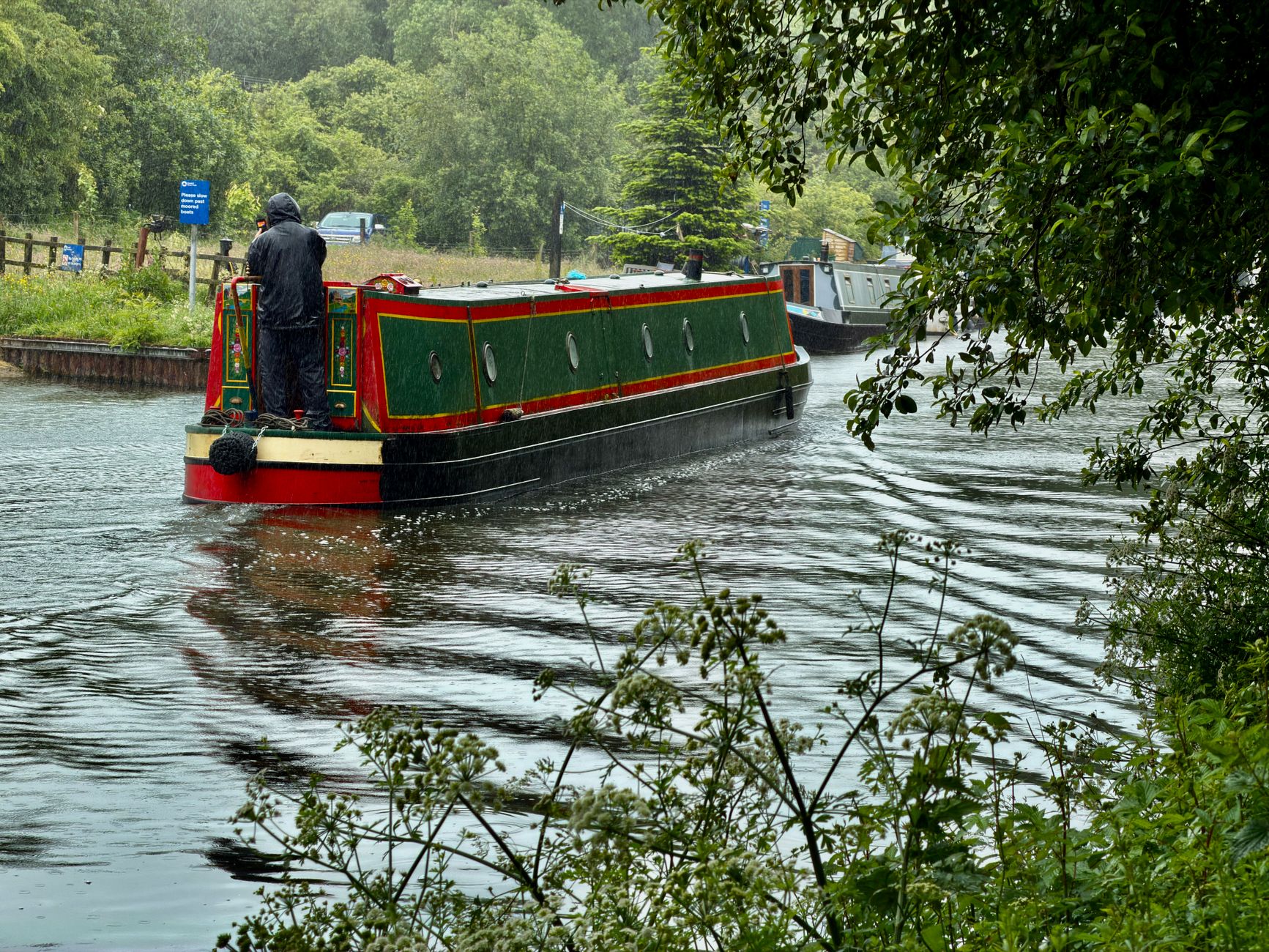
    There is something genuinely magical about trading your front door for a narrowboat and watching the world slow right down to about 4 miles per hour. A UK canal boat holiday might just be the most underrated summer adventure this country offers. No airport queues, no check-in stress, and absolutely no reason to rush anywhere. I booked my first narrowboat hire on a whim a few summers back and came home three days late because I simply could not bring myself to leave the water. Spoiler: no one seemed to mind.

    Britain’s inland waterway network stretches across roughly 2,000 miles of navigable canals and rivers, maintained by the Canal and River Trust. That is a serious amount of towpath, countryside, and canalside pubs to explore. Whether you are a complete first-timer or just curious about what life on the cut actually looks like, here is everything you need to know before you cast off.

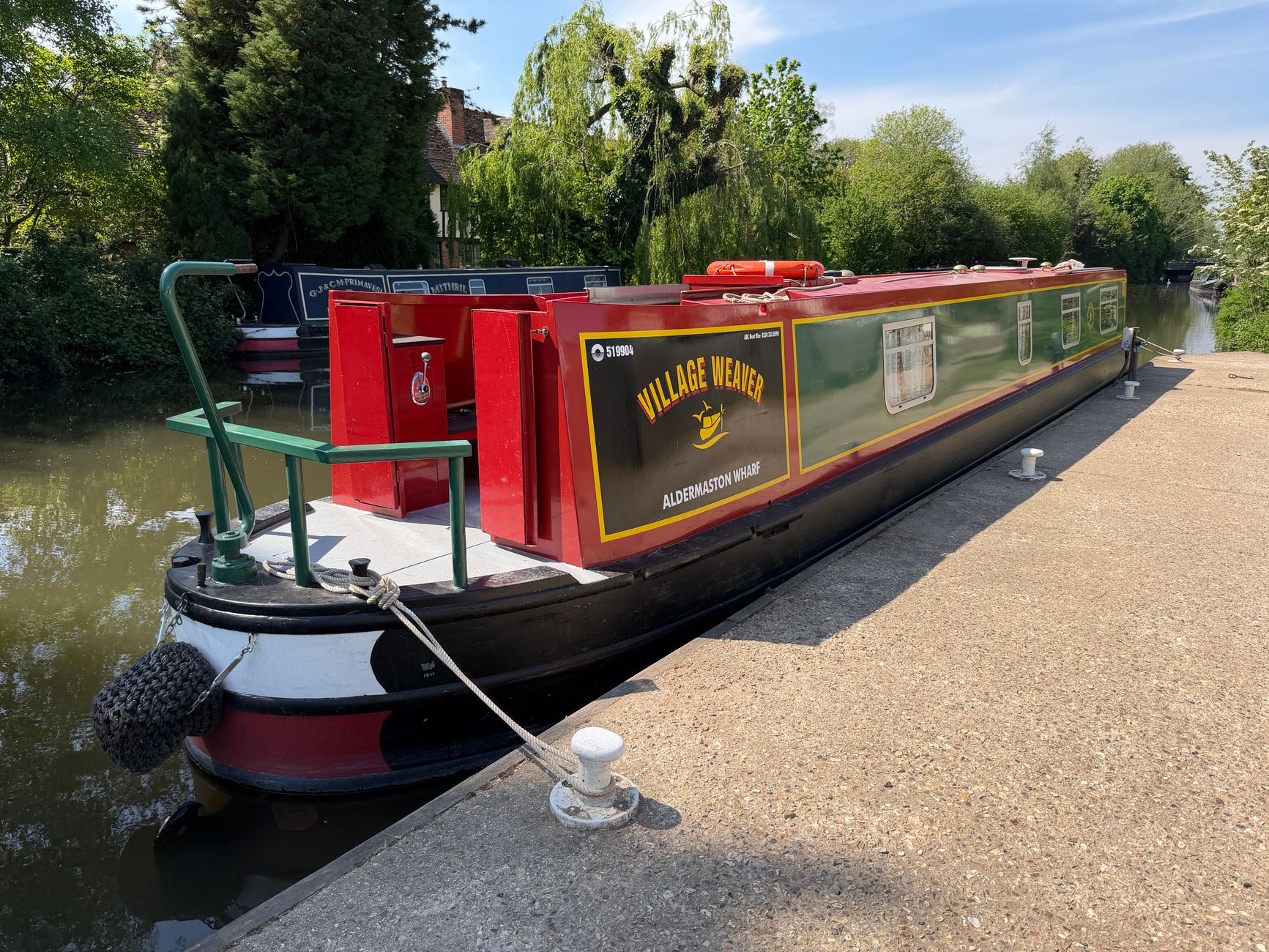
    A colourful narrowboat on a peaceful English canal on a sunny day - perfect for a UK canal boat holiday
    Photo by Bill Eccles on Pexels

    Do you need a licence or experience to hire a narrowboat?

    Good news: you do not need any prior experience or a special licence to hire a narrowboat in the UK. Hire companies spend around an hour briefing you before you leave the marina, covering the basics of steering, mooring, operating locks, and what to do if something goes wrong. Most people feel reasonably confident after 20 minutes of actually being on the water. The boats travel so slowly that minor mistakes are easy to recover from, and the canal community is famously patient and helpful.

    You do need to be over 18 to take the helm, and most hire companies ask that at least one adult in your group is over 21. Children are very welcome on board, and most hire boats are set up with safety rails and enough sleeping space for families. If you are planning a family trip, you might also enjoy reading about the best UK glamping sites for families as an alternative if the boat idea feels a bit too adventurous for a first go.

    Choosing your route: the Grand Union Canal and beyond

    The Grand Union Canal is the classic first-timer choice, and for good reason. Running from London all the way up to Birmingham, it passes through some of the prettiest English countryside you will see from the water, including the Chiltern Hills and the market towns of Leighton Buzzard and Berkhamsted. You can pick up a hire boat at places like Milton Keynes, Braunston, or Tring and do a circular loop without retracing your route.

    Other brilliant beginner routes include the Llangollen Canal in Wales, which is jaw-dropping but does involve the famous Pontcysyllte Aqueduct (not for anyone with a serious fear of heights), and the Kennet and Avon Canal running through Bath and Bradford-on-Avon. For something quieter, the Oxford Canal between Coventry and Oxford is slow, green, and genuinely glorious in late summer when the hedgerows are full.

    A reasonable pace for a week-long hire is around 40 to 60 miles. That sounds modest, but once you factor in locks, lunch stops, and wandering into a village because it looked pretty, 40 miles feels just right. Do not try to be ambitious on your first trip; the whole point is the journey, not the distance.

    Person operating a canal lock windlass during a UK canal boat holiday
    Photo by Jude Mitchell-Hedges on Pexels

    What does a narrowboat hire actually cost?

    Prices vary by season, boat size, and hire company, but as a rough guide you can expect to pay anywhere from £800 to £1,600 for a week’s hire of a 4-berth boat during peak summer. Larger 8-berth boats can reach £2,500 or more in high season. Fuel is usually charged separately at the end of the trip; a week of cruising typically uses between 50 and 100 litres of diesel, so budget an extra £60 to £120.

    Most companies charge a refundable damage deposit, usually between £200 and £500. Canal and River Trust mooring licences are normally included in hire fees, but do check. Groceries, pub meals, and any lock keeper tips (a lovely tradition, entirely optional) are on top. All in, a family of four can do a genuinely relaxing week on the water for considerably less than a comparable package holiday abroad, and the experience is honestly unbeatable. If sustainability matters to you when you travel, it might interest you to know that organisations like R2G.co.uk are helping raise awareness of eco-conscious thinking in communities across the country, and travelling slowly by water is about as low-impact as a UK holiday gets.

    Locks: the bit everyone worries about

    Locks are the reason narrowboating has a slight reputation for difficulty. They are, in reality, quite satisfying once you get the hang of them. A lock is simply a chamber that raises or lowers your boat between two different water levels; you open and close paddles using a windlass (a small metal handle you buy or hire), and the water does the rest.

    Your hire company will walk you through this before you leave, and there will almost always be other boaters around who have done it hundreds of times and are very happy to assist a nervous beginner. I remember standing at my first lock on the Grand Union feeling completely baffled, and a retired couple coming the other way took about four minutes to make the whole thing feel straightforward. The canal community genuinely is that lovely.

    Wide locks (found on some routes) take two narrowboats side by side and require a bit more muscle on the paddles. Narrow locks are simpler. Most beginner routes are designed with a manageable number of locks per day, usually between six and twelve, which sounds like a lot but quickly becomes part of the rhythm of the day.

    What to pack and how to prepare

    Pack light layers. British summer weather being what it is, mornings on the water can be chilly even in July, and you will want a decent waterproof for lock work. Wellies or sturdy shoes are essential on the towpath; flip-flops are a bad idea around moving ropes and wet lock edges. Board games, cards, and a good playlist are your best friends for evenings moored up. Most hire boats have a telly, but the novelty of watching the stars from the stern with a glass of something cold wears off never.

    On the food side, plan a loose shop before you set off and restock at canalside towns along the way. Many market towns have excellent delis and farm shops right on the towpath. The UK’s summer food scene on the waterways is quietly brilliant, and if you enjoy that farm-fresh angle to your travels, our round-up of the UK’s best summer food festivals celebrating local produce is worth a read before you go.

    Tips for a genuinely great first trip

    Book at least three months ahead for summer slots, particularly on the Grand Union and the Llangollen. Popular marina starting points sell out fast. If you have any flexibility, late May and early September are wonderful: still warm, far fewer boats on the water, and the countryside at its greenest or golden best. Those patient enough to hold out for a golden-hour mooring will find the kind of sunset views that rival anything you could book abroad; our guide to watching the most spectacular UK sunsets this summer has some beautiful spots that are also accessible by boat.

    Tell the hire company honestly about your group, including age ranges and any mobility concerns. They will match you to the right boat and the right starting route. And allow yourself to get a bit lost. Not literally (the canal goes in one direction), but mentally. Switch off the notifications, steer badly around the first few bends without shame, and lean into the glorious, unhurried pleasure of going absolutely nowhere in particular at four miles per hour.

    Frequently Asked Questions

    Do I need a licence to drive a narrowboat in the UK?

    No licence is required to hire and operate a narrowboat on UK canals. Hire companies provide a thorough briefing before you set off, covering steering, mooring, and locks. You just need to be 18 or over to take the helm.

    How much does a narrowboat holiday cost in the UK?

    A week’s hire for a 4-berth narrowboat typically costs between £800 and £1,600 in summer, depending on the company and route. Diesel fuel and groceries are extra, but overall it is usually cheaper than a comparable week abroad for a family.

    What is the best canal for a first narrowboat trip?

    The Grand Union Canal is widely recommended for beginners due to its varied scenery, manageable locks, and plenty of market towns along the way. The Oxford Canal and the Kennet and Avon are also excellent, quieter alternatives for a first-time trip.

    How far can you travel on a narrowboat in a week?

    Most first-timers cover between 40 and 60 miles in a week, which is a comfortable pace that allows for lock stops, pub visits, and exploring villages along the way. There is no need to rush; the slower you go, the more you enjoy it.

    Is a canal boat holiday suitable for families with young children?

    Yes, narrowboat holidays are very family-friendly. Most hire boats have safety rails and enough berths for families, and children generally love life on the water. It is worth briefing young children about not running near the towpath edge and supervising them carefully around locks.

  • The Most Spectacular UK Sunsets: Where to Watch the Sky Turn Golden This Summer

    There’s something almost ridiculous about a British sunset. You’re standing on a clifftop or a beach or the edge of a loch, wind in your hair, maybe a flask of something warm in your hand, and suddenly the whole sky turns every shade of orange, pink, and gold you didn’t know existed. I’ve chased a fair few of them over the years, and I can tell you honestly: the best sunsets UK summer produces are genuinely world-class. You don’t need to fly to Santorini. You just need to know where to stand.

    Why summer sunsets in the UK are worth the effort

    The UK sits at a latitude where summer evenings stretch on gloriously late. In June, the sun doesn’t set until well after 9pm in most of England, and not until nearly 11pm in Shetland. That long, low-angle light creates what photographers call the “golden hour” on steroids. Warm atmospheric dust, sea spray, and the particular moisture of British air all scatter light beautifully. The Met Office notes that clear evenings following a day of patchy cloud often produce the most dramatic colour. So that slightly grumpy British sky earlier in the day? It might just be setting you up for something spectacular.

    Here’s my round-up of the spots I’d go back to in a heartbeat, plus a few I’ve had on my list for years.

    Durdle Door and the Jurassic Coast, Dorset

    Dorset’s Jurassic Coast is one of those places that feels almost too good to be real. The limestone arch of Durdle Door frames a sunset so perfectly it looks staged. The sky bleeds orange behind the rock as the sun drops towards the horizon, and the sea catches every last drop of colour. Arrive at least an hour before sunset to walk the South West Coast Path down to the beach and find your spot. Mid-July to late August is prime time here, with sunset typically falling between 9pm and 9:20pm. Bring a picnic, get there early, and ignore anyone who says the path down is too steep. It really isn’t.

    The Pembrokeshire coast, Wales

    Pembrokeshire’s westward-facing cliffs practically beg you to watch the sun go down. Marloes Sands is my personal favourite: a wide, quiet beach backed by red sandstone cliffs, facing almost due west. In high summer, the light there does something extraordinary as it hits the iron-rich rock face. The Pembrokeshire Coast National Park has some of the darkest skies in Wales, which means once the sun disappears, you’re still having a good time. St Bride’s Bay and Barafundle Bay are equally worth the walk. Sunset here in July lands around 9:30pm, so you’ve the whole evening to potter before the show starts.

    Isle of Skye, Scotland

    If you’ve seen a photo of a Scottish sunset recently, there’s a reasonable chance it was taken on Skye. The Quiraing, the Old Man of Storr, and the Fairy Pools all pull in their share of golden-hour admirers. But I’d point you somewhere slightly quieter: the Neist Point lighthouse on the westernmost tip of the island. You park up, walk about twenty minutes across moorland, and arrive at a clifftop perch looking straight out over the Minch. On a clear evening, the sky turns every shade between lavender and deep amber. Sunset in late June from Skye can be as late as 10:45pm, which gives you plenty of time to factor in the very necessary pub stop at the Stein Inn beforehand.

    Orkney clifftops: the north’s best-kept open secret

    People underestimate Orkney. I’d argue the clifftops above Yesnaby on Mainland Orkney produce some of the most theatrical skies I’ve ever stood underneath. The Atlantic stretches to the horizon, sea stacks jut up from the water below you, and the light in high summer barely dips to darkness at all. It’s what locals call the “simmer dim”, that extraordinary northern twilight that lingers for hours. Sunset in Kirkwall at midsummer isn’t until almost 10:30pm, but the sky stays glowing long past midnight. If you’re willing to make the trip (and it’s worth it), the Brough of Birsay at low tide, with the ancient Pictish ruins in the foreground and the sky behind, is something I’ll remember for a very long time.

    Croyde Bay and Baggy Point, Devon

    North Devon doesn’t always get the attention it deserves. Croyde Bay faces northwest, which means summer sunsets arrive right on the horizon line in front of you. Baggy Point, the headland at the southern end of the bay, is a ten-minute walk from the village and gives you an elevated view with surfers catching the last waves in the foreground. It’s relaxed, it’s beautiful, and there are decent pubs within a short stumble. If you’re planning a wider summer adventure and want to mix sunset-spotting with outdoor fun, the same stretch of coast connects beautifully with beaches ideal for wild swimming, something we’ve covered in depth over at our guide to wild swimming spots across the UK.

    Seven Sisters, East Sussex

    The chalk cliffs of the Seven Sisters are more famous as a daytime destination, but catch them on a clear summer evening and they’re transformed. Walk west from Birling Gap towards Beachy Head and you’ll find a series of natural viewing points as the sun dips behind the Sussex Downs. The white chalk reflects the warm light beautifully, turning almost pink in the last twenty minutes before sunset. It’s surprisingly uncrowded in the evenings once the day-trippers head home, which makes it feel genuinely special.

    Practical tips for catching the best light

    According to the Met Office’s guide to red skies, the most vivid sunsets happen when there’s a layer of high cloud to the west while the horizon itself stays clear. Check the forecast the afternoon before and look for exactly that combination. A completely cloudless sky often produces a beautiful sunset, but layered cloud turns it into something extraordinary.

    Arrive early enough to find your spot and settle in. Rushing to a clifftop ten minutes before sunset is stressful and you miss the gradual build-up. I usually aim for an hour beforehand. Pack a light layer even in summer, because coastal evenings cool quickly once the sun dips. And honestly, put your phone down for at least a few minutes. Take the photo, by all means, but then just watch it. The whole thing is over in under an hour and it’s worth being present for.

    If you’re planning a longer summer trip around the best sunsets UK summer can offer, consider pairing your sunset destinations with a proper overnight stay rather than a day trip. Our guide to the best UK glamping sites for families has some brilliant suggestions for bases near many of the coastal spots mentioned above, and waking up near a west-facing beach the morning after a spectacular sunset is a very fine thing indeed.

    The sky doesn’t charge an entry fee. All it asks is that you show up.