Tag: uk summer activities

  • Surf’s Up: The Best Beginner Surf Spots and Lessons to Book Around the UK

    Surf’s Up: The Best Beginner Surf Spots and Lessons to Book Around the UK

    There is something genuinely magical about standing on a surfboard for the first time. The cold Atlantic fizzing around your ankles, a wave picking you up, and then, if you’re lucky, a whole two seconds of glorious, wobbly triumph before you eat a faceful of sea. I’ve been there, and I can promise you: those two seconds are completely worth it. Britain might not be the first country that springs to mind when you think of surf culture, but the coastline here is genuinely world-class for beginners, and beginner surf lessons UK-wide have never been more accessible or more fun.
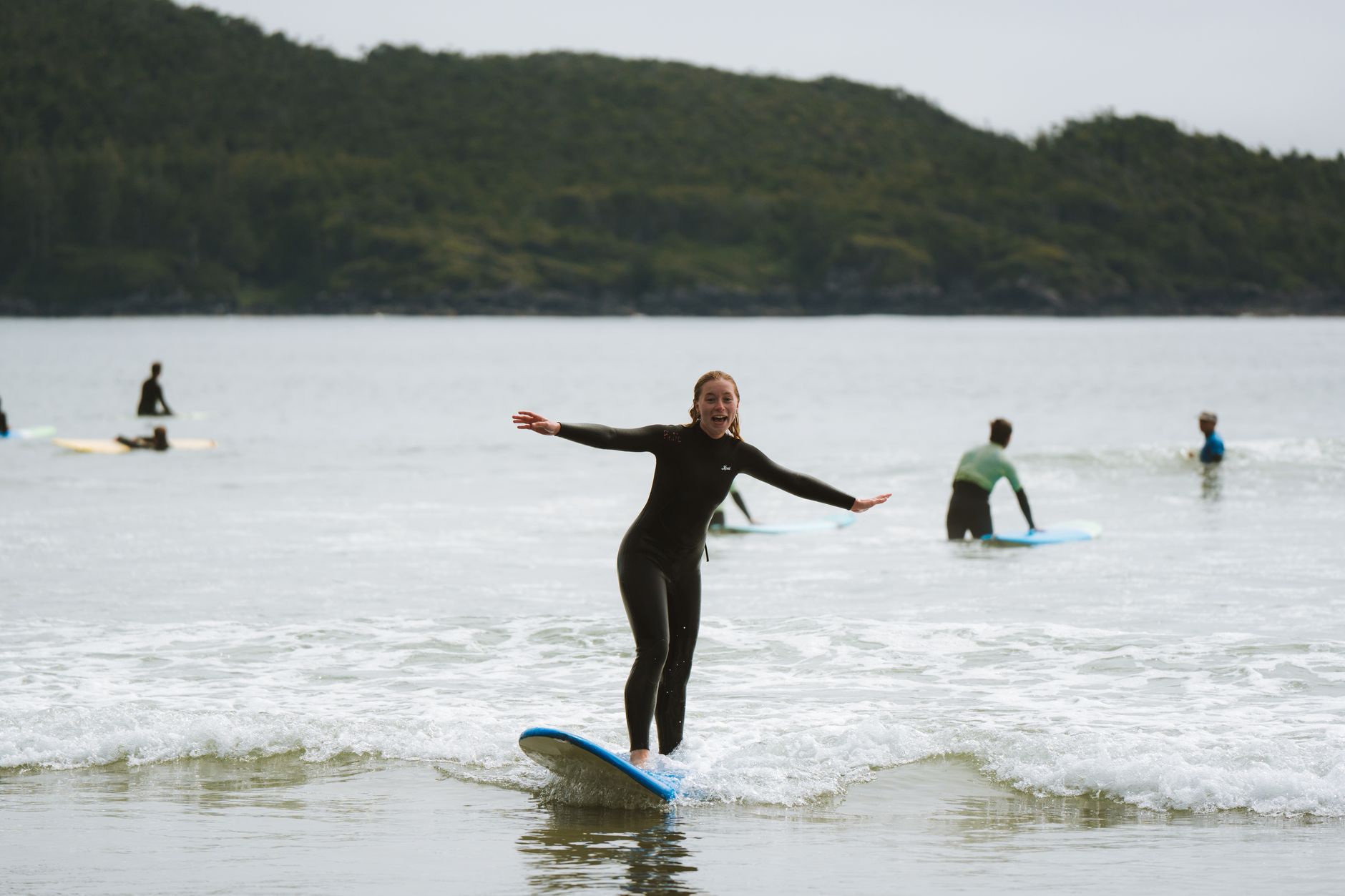
    Instructor demonstrating technique to beginners taking their first surf lessons on a UK beach
    Photo by Luke Miller on Pexels

    Why Britain is a surprisingly brilliant place to learn to surf

    The UK sits right in the path of powerful Atlantic swells, and while that might sound intimidating, it actually creates a huge variety of wave conditions. Cornwall’s north-facing bays catch long, rolling swells that give you plenty of time to get to your feet. Pembrokeshire’s sheltered coves serve up gentler, more forgiving surf when the swell is small. Even Yorkshire, yes, the North Sea, produces clean, punchy little waves that beginners absolutely love. Surf schools up and down the country have spent decades learning exactly which spots work for first-timers, and they genuinely know their stuff.

    According to BBC Cornwall, the county alone welcomes over five million visitors a year, and surfing is one of the fastest-growing activities on offer. That growth has pushed surf schools to up their game considerably, with small group ratios, excellent wetsuit hire, and instructors who are ISA or British Surfing Association-qualified as standard. It’s a proper industry now, and beginners are the heart of it.

    Top beginner-friendly surf beaches in Cornwall

    Cornwall is the spiritual home of British surfing, and for good reason. Newquay is the obvious starting point, Fistral Beach has a dedicated beginner zone, and the town has more surf schools per square mile than anywhere else in the country. Watergate Bay, just north of Newquay, is another favourite; the beach is enormous, the waves are consistent, and the Extreme Academy there has a brilliant reputation for first-timers. Polzeath, down in the Camel Estuary area, is slightly quieter and has a lovely community feel that makes it feel less overwhelming for nervous newcomers.

    I’d particularly recommend Sennen Cove near Land’s End for anyone who wants to feel like they’ve really escaped. The surf is reliable, the beach is stunning, and there’s a solid little surf school operating there throughout the summer. Expect to pay between £35 and £55 for a two-hour group lesson in Cornwall, which typically includes wetsuit and board hire. Private lessons run from around £70 to £90 for an hour, which is worth considering if you really want that extra attention.

    Pembrokeshire: Wales’s best-kept surfing secret

    If Cornwall is starting to feel a touch crowded for your taste, Pembrokeshire is the answer. The Pembrokeshire Coast National Park is extraordinary, dramatic cliffs, crystal-clear water, and beaches that genuinely rival anything in Europe. Freshwater West is probably the most famous surf beach in Wales, with long sandy breaks and a backdrop that looks almost cinematic on a sunny August afternoon. Newgale is another gem: two miles of sand, consistent waves, and a much more relaxed atmosphere than anything you’d find in Newquay in peak season.

    Surf schools like the Preseli Venture Centre and the Welsh Surfing Federation Surf School at Llangennith (just over the border in the Gower) offer excellent structured lessons with fully qualified instructors. Group lessons in Pembrokeshire typically cost between £30 and £50, often a touch cheaper than Cornwall. The water temperature in summer sits around 16°C to 18°C, chilly but absolutely manageable in a good 3mm wetsuit, which your school will provide.

    Yorkshire: yes, you really can surf in the North Sea

    Scarborough and Saltburn-by-the-Sea might not have the same sun-soaked reputation as Newquay, but don’t let that put you off. Saltburn is a genuinely brilliant beginner spot. The waves are smaller and less powerful than the Atlantic coast, which actually makes them easier to learn on, and the Saltburn Surf School has been teaching beginners for years with an enviable track record. There’s something wonderfully characterful about surfing beneath a Victorian pier with a flask of tea waiting on the beach, this is Britain, after all.

    Cayton Bay, just south of Scarborough, is another solid option with a reliable beach break and a surf shop that hires boards and wetsuits by the hour. Yorkshire surf lessons tend to be slightly more affordable too, with group sessions from around £25 to £40 for two hours. The water is colder, expect 13°C to 15°C in midsummer, so a 4mm wetsuit is wise, but schools always have the right kit ready for you.

    What to budget for your first surfing experience

    Across the whole country, beginner surf lessons UK are genuinely good value when you factor in everything that’s included. A standard two-hour group lesson with all equipment hired typically costs between £25 and £55 depending on location and school. Most schools offer multi-day packages, three days of lessons for around £90 to £130, which is the format I’d recommend if you’re serious about actually making progress. You’ll go from barely standing to catching unbroken waves consistently in three sessions if you commit.

    You don’t need to buy anything before you turn up. Every reputable surf school provides wetsuits, boards, and rash vests. If you fall in love with it (and you very likely will), then investing in your own kit makes sense after a few sessions, but there’s absolutely no need to spend anything upfront beyond the lesson fee. Budget an extra £10 to £15 for parking near most of these beaches in summer.

    Pairing your surf trip with other summer adventures

    A surfing weekend works brilliantly alongside other coastal activities. If you’re planning a full summer break in one of these areas, Cornwall and Pembrokeshire especially lend themselves to lazy afternoons exploring rock pools, hunting for the best pasty in the county, and sitting on cliff tops watching the sky go absolutely spectacular at dusk. For ideas on where to head after you’ve hung up your wetsuit, our guide to the most spectacular UK sunsets and where to watch them has some brilliant coastal spots that pair perfectly with a surf trip.

    If you’re heading to Wales or the north, it’s worth thinking about combining a surf lesson or two with a longer staycation. We’ve put together a great piece on why staycationing in northern England deserves a place on your summer list this year, which covers some of the wider region including the Yorkshire coast. And if glamping appeals as your accommodation option near the surf, have a look at our pick of the best UK glamping sites for families, several of them sit within easy reach of surfable beaches.

    A few practical tips before you paddle out

    Always book lessons in advance during July and August, the popular schools fill up weeks ahead. Check the surf forecast on the morning of your lesson (Magic Seaweed is free and brilliant for UK conditions), not because you need to worry about it but because knowing even the basics of how swell size and wind direction affect waves makes you a more engaged student. Listen to your instructor, get the paddling technique right before you even think about standing, and don’t compare yourself to whoever in your group seems to be a natural. Everyone progresses differently, and surfing is one of those sports where the fun is in the process as much as the outcome.

    Most of all, enjoy the whole thing. The cold water, the salty hair, the sand in places sand really shouldn’t be. Taking beginner surf lessons UK-wide is one of the best summer decisions you can make, and Britain’s coastline is genuinely one of the great places in the world to do it.

  • The Rise of Wild Swimming: The Safest and Most Scenic Spots to Take the Plunge Across the UK

    Something has shifted in the British summer. Forget the chlorine-heavy leisure centre pool or the queues for the lido. Across the country, people are stripping off their flip-flops and wading into rivers, lakes, tarns, and sea coves with absolute joy on their faces. Wild swimming in the UK has gone from a niche pursuit to a full-blown movement, and honestly, it is not hard to see why.

    The Outdoor Swimming Society has been tracking the growth of this movement for years, and the numbers are striking. Membership and engagement have surged consistently since the early 2020s, with the Society now listing hundreds of vetted spots across England, Scotland, Wales, and Northern Ireland. What started as a quirky hobby for cold-water devotees has become a mainstream summer ritual.

    Why wild swimming in the UK has taken off

    Part of it is the post-pandemic hunger for outdoor adventure. People remembered that Britain is genuinely beautiful, and they stopped flying past it on their way to the airport. Part of it is the well-documented mood boost that cold water gives you. Studies from University College London have pointed to reduced anxiety and improved wellbeing among regular open-water swimmers. But honestly, part of it is just that dipping into a clear Welsh river on a hot July afternoon feels absolutely brilliant.

    Social media has played its role too. Lochs bathed in golden light, Cornish coves at dawn, the Dart on a summer afternoon. Once those images start circulating, the urge to go find your own patch of water becomes almost irresistible. The key, though, is doing it safely and choosing spots that are genuinely suitable.

    The best wild swimming spots in the UK right now

    The Outdoor Swimming Society has done a lot of the hard work for beginners, mapping and reviewing locations by water quality, access, and safety. Here are some consistently praised spots worth putting in your plans this summer.

    Dartmoor, Devon

    The River Dart around Dartmeet and Spitchwick is practically a rite of passage. Clear, fast-moving water, flat rocks for sunbathing, and a truly wild setting. Spitchwick Common is National Trust land, so access is straightforward. Go on a weekday if you can. Weekends in August get busy, which is actually rather lovely in its own right.

    Loch Lomond, Scotland

    Scotland’s wild swimming scene is extraordinary. Loch Lomond offers sheltered bays and warmer-than-you-expect shallows near Balmaha and Milarrochy Bay. The water is exceptionally clean, and the backdrop of the Trossachs makes the whole thing feel cinematic. Pack a towel you do not mind getting seriously wet.

    Tarr Steps, Exmoor

    The River Barle here is shallow, clear, and absolutely gorgeous. The ancient clapper bridge adds a bit of history to go with your swim. This is a brilliant spot for families or absolute beginners because the water is gentler and the depth more forgiving than some river swimming spots.

    Pembrokeshire coastline, Wales

    Barafundle Bay near Stackpole is widely considered one of the finest sea-swimming spots in Wales. No road access, so you walk fifteen minutes through National Trust woodland to get there, which means it stays quieter than it deserves to. The water is startlingly clear and the sand is soft. Perfect.

    Hampstead Heath Mixed Pond, London

    For city dwellers, this is wild swimming made accessible. The mixed bathing pond on Hampstead Heath has lifeguards, regular water quality testing, and a genuinely lovely natural setting. It costs a small fee, but the experience of swimming in open water surrounded by trees while technically inside zone two is something special.

    Safety advice for anyone new to wild swimming

    The freedom of wild swimming is real, but so are the risks if you go in unprepared. A few straightforward habits will keep the whole experience on the right side of fun.

    Always check water quality before you go. The Environment Agency publishes bathing water quality data for designated spots across England, and you can check Blue Flag status for coastal locations. Avoid swimming after heavy rainfall, when runoff can carry pollutants into rivers and coastal water. Water quality can change fast.

    Cold water shock is the thing that catches most beginners off guard. Even in summer, UK open water is rarely above 18°C, and jumping in suddenly can cause an involuntary gasp reflex that leads to inhaling water. Enter slowly, breathe steadily, and give your body a minute to adjust. A wetsuit is genuinely worth considering if you plan to swim for longer than a quick dip.

    Never swim alone. This is the golden rule. A swimming partner, or at minimum someone on the bank who knows where you are, is non-negotiable. River currents and underwater hazards are genuinely unpredictable. Wearing a brightly coloured tow float makes you visible to any passing boats and doubles as emergency buoyancy if you need a rest.

    Footwear matters more than people think. Rocky riverbeds, slippery stepping stones, and uneven lake shores all create real hazards. Water shoes or old trainers are worth packing every time. It is the same logic behind good safety flooring in wet indoor spaces: the right surface underfoot makes everything safer and more enjoyable.

    What to pack for your first wild swim

    You do not need much, which is part of the appeal. A wetsuit or swimsuit, a towel that dries fast (microfibre is worth the investment), water shoes, a tow float, and a warm layer for afterwards. Some people swear by neoprene gloves and socks for colder swims. A flask of something hot transforms the post-swim experience entirely.

    Leave the spot exactly as you found it. No litter, no disturbing wildlife habitats, and please do not use soap or shampoo in natural water. The access we currently have to these places depends on swimmers behaving well.

    Combining wild swimming with a wider summer adventure

    Wild swimming pairs brilliantly with other outdoor escapes. If you are already planning a camping or glamping trip this summer, chances are there is a decent swim spot within easy reach of wherever you are staying. Many of the best UK glamping sites for families this summer are deliberately positioned near rivers, lakes, or coastline precisely because guests want that connection to water. A morning swim before breakfast is, frankly, one of the best ways to start a day away.

    Britain has spent years undervaluing its own landscape. The wild swimming boom is, in its own splashy, slightly cold way, a correction. These lakes and rivers have always been here. People are just finally jumping in.

    Frequently Asked Questions

    Is wild swimming legal in the UK?

    In England and Wales there is no automatic right to swim in rivers or lakes, though many landowners tolerate it and some areas have established access rights. Scotland has much stronger legal access rights under the Land Reform (Scotland) Act 2003, which allows wild swimming almost anywhere you can responsibly reach. Always check local bylaws and signage before entering the water.

    Is wild swimming safe for beginners?

    Yes, with the right preparation. Choose calm, shallow spots with good bank access, never swim alone, enter the water slowly to avoid cold water shock, and always check water quality beforehand via the Environment Agency’s bathing water data. A brightly coloured tow float adds both visibility and a buoyancy aid if you need a rest mid-swim.

    What temperature is UK open water in summer?

    UK rivers and lakes typically reach between 14°C and 20°C in the warmest summer months, with sea temperatures varying by location. The south-west coast tends to be warmer, while Scottish lochs stay cooler even in August. A wetsuit makes longer swims more comfortable and reduces the risk of cold water shock for those new to open-water swimming.