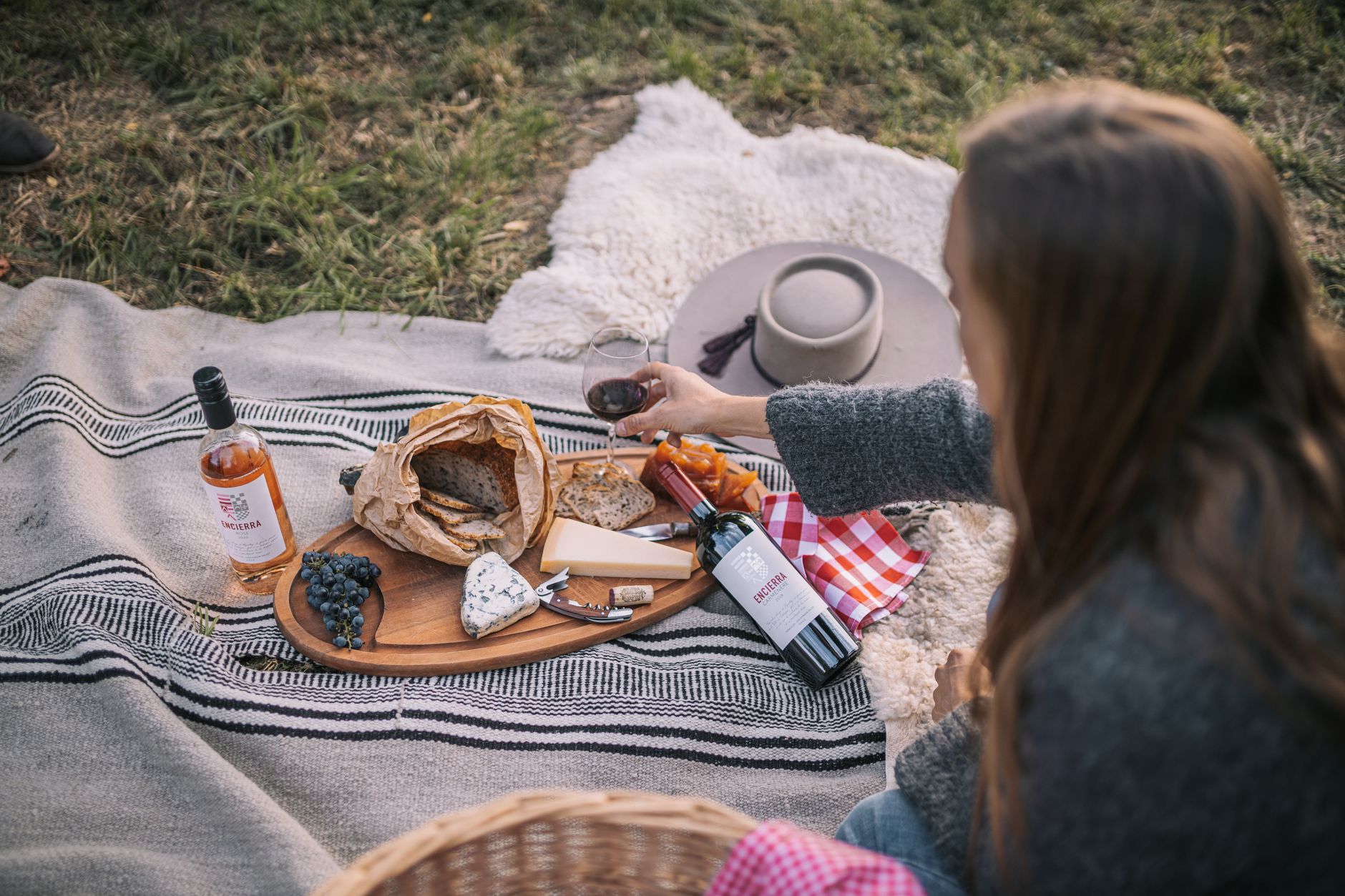
There is absolutely nothing wrong with a packet of crisps and a supermarket sandwich. I’ve eaten that combination on a hillside and loved every bite. But if you’ve ever spread out a blanket on a warm July afternoon and unpacked a wedge of proper aged Cheddar, a half-loaf of still-warm sourdough, and a bottle of something cold and locally brewed, you’ll know that a picnic can be a genuinely spectacular thing. Finding the best artisan picnic food UK producers have to offer is easier than most people realise, and the results are a serious upgrade on anything shrink-wrapped.
Why local artisan food makes a picnic so much better
Mass-produced food is designed to travel far and last long. That’s fine on a Tuesday at your desk. On a sunny Saturday in the park, though, you want food that was made by someone who cares what it tastes like. A wheel of unpasteurised Ogleshield from Neal’s Yard Dairy, or a jar of pickled heritage carrots from a farmers’ market stall in Bristol, carries a story and a flavour that a supermarket own-brand simply cannot match. I’d argue the sourcing is half the fun, wandering a market before you even get to the park is its own little adventure.
If you’re already planning a beautiful outdoor afternoon, our guide to the most beautiful parks and meadows to visit across the UK this summer has brilliant ideas for where to actually lay your blanket. Pair that with the food advice below and you’re sorted.
British cheeses worth hunting down
The UK has an extraordinary cheese scene that still surprises people who assume France has it all sewn up. There are around 700 named British cheeses in production, according to The Guild of Fine Food, ranging from sharp crumbly Lancashire to creamy washed-rind varieties from Somerset and Wales. For a picnic, I’d always build around at least three: something hard and aged (a good Montgomery’s Cheddar or a Lincolnshire Poacher), something soft (a Baron Bigod Brie from Suffolk travels surprisingly well in a cool bag), and something crumbly (Yorkshire Wensleydale with a bit of dried fruit on the side is practically a national treasure).
Where to buy them? Seek out a dedicated cheesemonger rather than a supermarket counter. Paxton and Whitfield in London and Bath, I.J. Mellis in Edinburgh and Glasgow, or the countless independent delis that have sprung up in market towns across England all stock farmhouse cheeses that you simply will not find elsewhere. Ask the person behind the counter what’s ripe right now. They will tell you, enthusiastically.
Sourdough, charcuterie, and the bread question
Bread matters enormously at a picnic. A flabby supermarket loaf collapses under the weight of decent cheese. A proper sourdough, one with a blistered crust and an open, chewy crumb, holds its shape, tastes of something, and turns a decent slice of cheese into an actual moment. The Real Bread Campaign (realbread.org.uk) lists member bakeries across the UK, and most decent-sized towns now have at least one micro-bakery baking overnight and selling by 9am on Saturday mornings. Go early. These loaves sell out.
Charcuterie is the other revelation. British producers have caught up remarkably quickly with the continental tradition. Look for cured meats from producers like Cobble Lane Cured in London, Cannon and Cannon who supply farmers’ markets across England, or your local farm shop’s own dry-cured bacon and air-dried ham. A few slices of properly made bresaola or fennel salami alongside that cheese changes the whole character of the spread.
Farm shops and markets: where to shop near you
Farm shops are genuinely one of the great pleasures of British summer weekends. Places like Daylesford Organic in the Cotswolds, Chatsworth Farm Shop in Derbyshire, and Cobbs Farm Shop in Berkshire have become destinations in their own right. But you don’t need a famous name. Almost every county has smaller independent farm shops selling their own produce alongside local suppliers. The FARMA (National Farmers’ Retail and Markets Association) website lists accredited farm shops and farmers’ markets by postcode, which makes finding your nearest one genuinely easy.
Farmers’ markets deserve a special mention. The atmosphere alone is worth turning up for. Borough Market in London is the famous one, but Winchester, Stroud, Leeds Kirkgate Market, and the Edinburgh Farmers’ Market are equally brilliant. You will taste things before you buy them. You will chat to the person who actually made what you’re about to eat. That rarely happens in a supermarket aisle.
Artisan drinks to pack alongside your food
The drink element of a great picnic gets overlooked. A warm can of whatever was on offer deserves better. The UK’s craft drinks scene is extraordinary right now. English sparkling wine from producers in Kent, Sussex, and Hampshire has won international awards in recent years; a bottle of Nyetimber or Gusbourne Blanc de Blancs in a cool bag feels genuinely celebratory without the price tag of Champagne. For those not drinking, the UK’s small-batch soft drink producers are making elderflower cordials, ginger beers, and botanical tonics that are actually interesting on their own. Belvoir Fruit Farms in Lincolnshire, for example, makes cordials that transform sparkling water into something worth sipping slowly.
If you’re planning a longer summer escape around your outdoor eating, it’s worth knowing that the UK’s food festival calendar is rammed with brilliant events this year. Our round-up of the UK’s best summer food festivals celebrating local produce in 2026 is full of ideas for combining great food with a proper day out.
Putting the hamper together: a few practical tips
Keep cheese at room temperature for 30 minutes before eating; it releases flavour properly that way. A good insulated bag is worth every penny for keeping drinks cold and stopping soft cheeses from turning into soup. Pack a proper knife, a wooden board, and real plates if you can manage it. Paper plates flex and collapse, which is annoying when you’re trying to balance a biscuit loaded with Stilton. Decent oatcakes (Nairn’s are widely available, but an independent Scottish producer’s version from a deli is better) beat standard crackers every time.
And if your picnic is happening somewhere genuinely scenic, like the spots in our guide to staycationing in Northern England, take the time to source food from the local region. Lancashire cheese in Lancashire, Northumberland honey in Northumberland. It’s a small thing that makes the whole day feel more connected to where you actually are.
The best artisan picnic food UK producers make is out there, waiting to be found at a market stall, a farm shop, or a cheesemonger you haven’t discovered yet. Go and find it. It’s a very good reason to get outside.
Frequently Asked Questions
Where can I find the best artisan picnic food in the UK?
Farmers’ markets, independent delis, and farm shops are your best starting points. The FARMA website lets you search for accredited markets and farm shops by postcode, and most larger towns have a Saturday market worth visiting.
Which British cheeses are best for a picnic?
A mix of textures works well outdoors. Montgomery’s Cheddar or Lincolnshire Poacher for something aged and firm, Baron Bigod Brie from Suffolk for something soft, and crumbly Wensleydale or Lancashire for variety. Ask your cheesemonger what’s ripe on the day.
How do I keep artisan food fresh during a picnic?
A good insulated cool bag keeps drinks cold and protects soft cheeses. Take cheese out of the bag about 30 minutes before eating so it reaches room temperature and the flavour opens up. Keep bread separate so it doesn’t absorb moisture.