There is something genuinely magical about trading your front door for a narrowboat and watching the world slow right down to about 4 miles per hour. A UK canal boat holiday might just be the most underrated summer adventure this country offers. No airport queues, no check-in stress, and absolutely no reason to rush anywhere. I booked my first narrowboat hire on a whim a few summers back and came home three days late because I simply could not bring myself to leave the water. Spoiler: no one seemed to mind.
Britain’s inland waterway network stretches across roughly 2,000 miles of navigable canals and rivers, maintained by the Canal and River Trust. That is a serious amount of towpath, countryside, and canalside pubs to explore. Whether you are a complete first-timer or just curious about what life on the cut actually looks like, here is everything you need to know before you cast off.
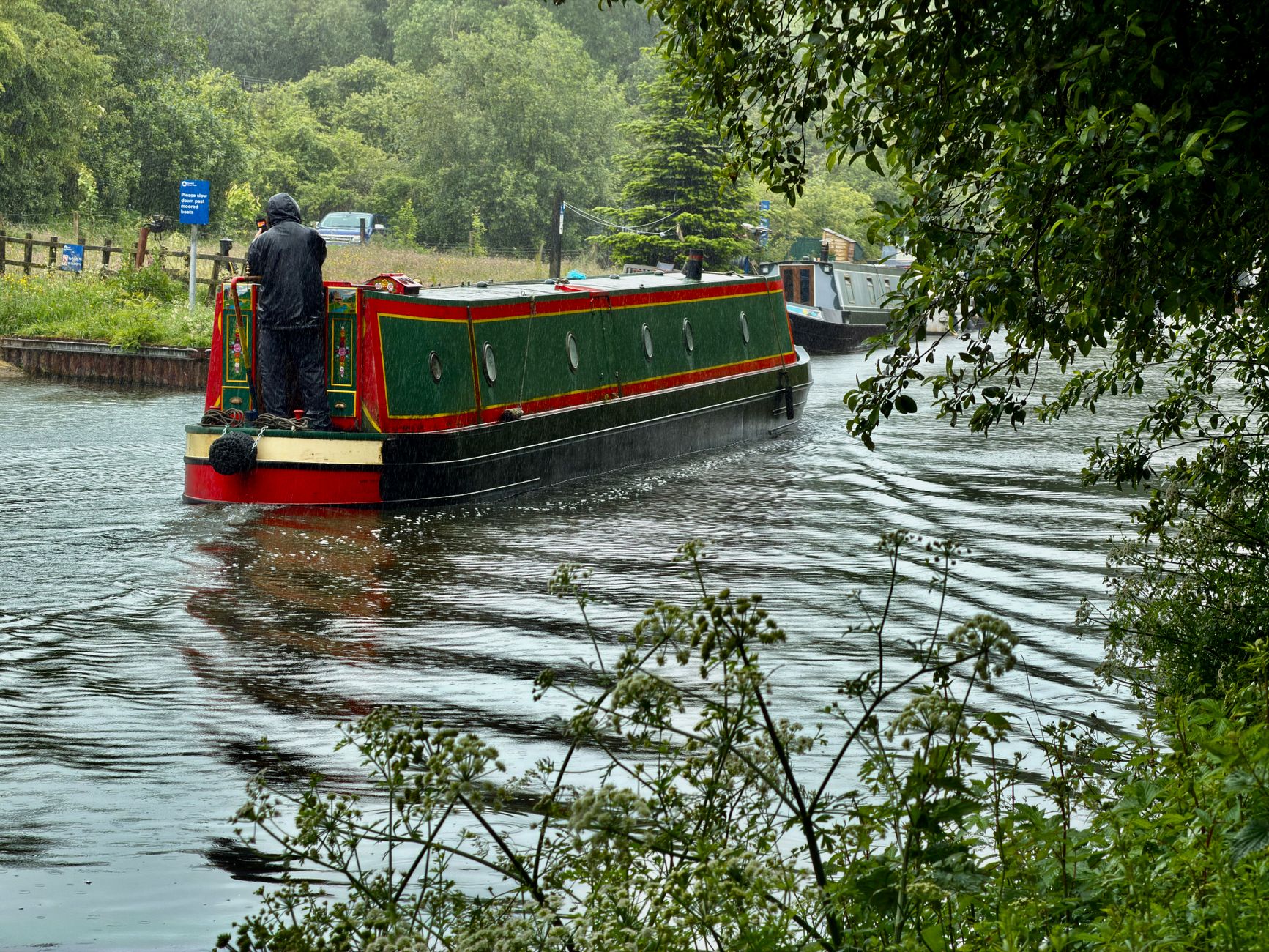
Do you need a licence or experience to hire a narrowboat?
Good news: you do not need any prior experience or a special licence to hire a narrowboat in the UK. Hire companies spend around an hour briefing you before you leave the marina, covering the basics of steering, mooring, operating locks, and what to do if something goes wrong. Most people feel reasonably confident after 20 minutes of actually being on the water. The boats travel so slowly that minor mistakes are easy to recover from, and the canal community is famously patient and helpful.
You do need to be over 18 to take the helm, and most hire companies ask that at least one adult in your group is over 21. Children are very welcome on board, and most hire boats are set up with safety rails and enough sleeping space for families. If you are planning a family trip, you might also enjoy reading about the best UK glamping sites for families as an alternative if the boat idea feels a bit too adventurous for a first go.
Choosing your route: the Grand Union Canal and beyond
The Grand Union Canal is the classic first-timer choice, and for good reason. Running from London all the way up to Birmingham, it passes through some of the prettiest English countryside you will see from the water, including the Chiltern Hills and the market towns of Leighton Buzzard and Berkhamsted. You can pick up a hire boat at places like Milton Keynes, Braunston, or Tring and do a circular loop without retracing your route.
Other brilliant beginner routes include the Llangollen Canal in Wales, which is jaw-dropping but does involve the famous Pontcysyllte Aqueduct (not for anyone with a serious fear of heights), and the Kennet and Avon Canal running through Bath and Bradford-on-Avon. For something quieter, the Oxford Canal between Coventry and Oxford is slow, green, and genuinely glorious in late summer when the hedgerows are full.
A reasonable pace for a week-long hire is around 40 to 60 miles. That sounds modest, but once you factor in locks, lunch stops, and wandering into a village because it looked pretty, 40 miles feels just right. Do not try to be ambitious on your first trip; the whole point is the journey, not the distance.
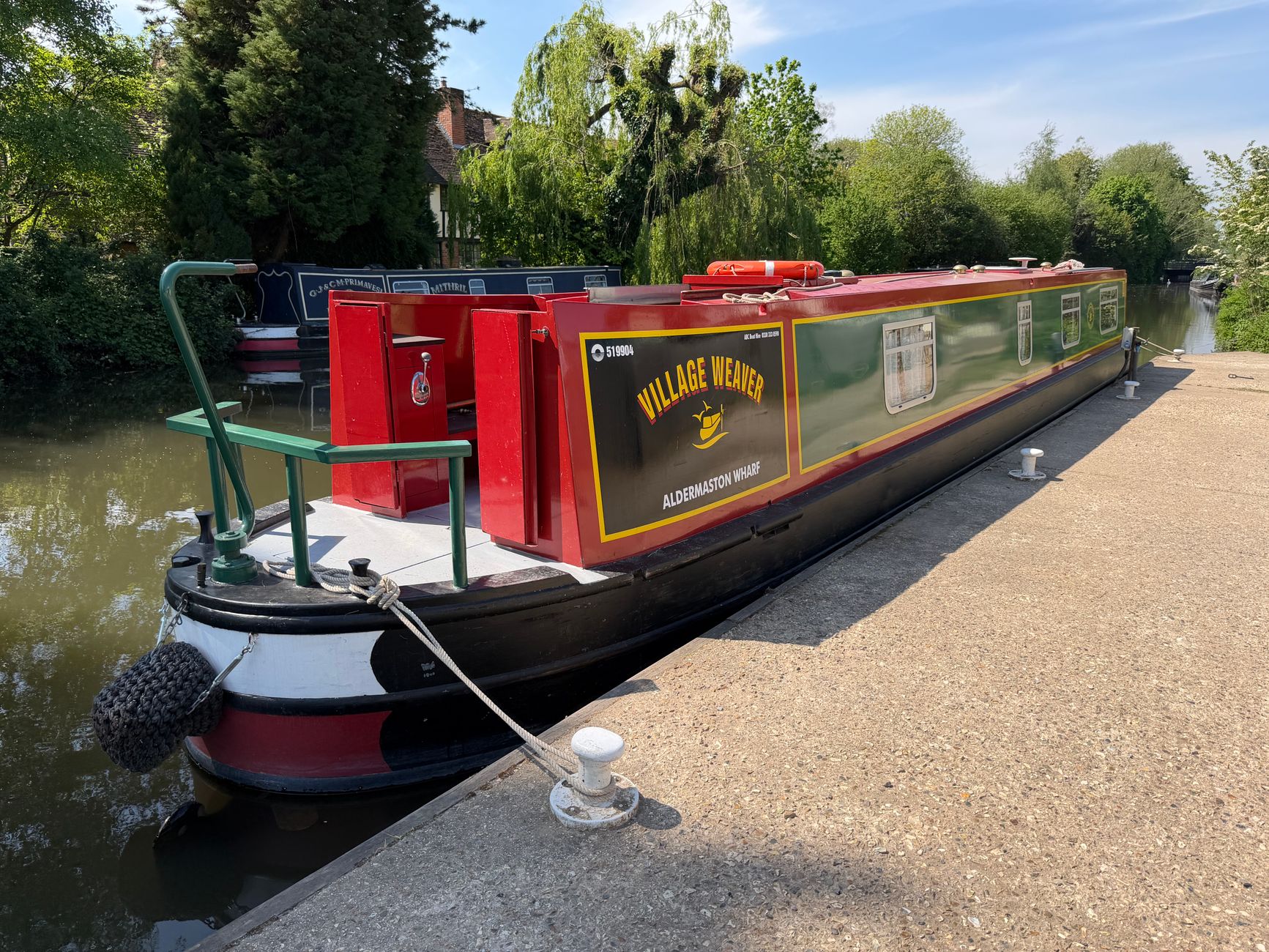
What does a narrowboat hire actually cost?
Prices vary by season, boat size, and hire company, but as a rough guide you can expect to pay anywhere from £800 to £1,600 for a week’s hire of a 4-berth boat during peak summer. Larger 8-berth boats can reach £2,500 or more in high season. Fuel is usually charged separately at the end of the trip; a week of cruising typically uses between 50 and 100 litres of diesel, so budget an extra £60 to £120.
Most companies charge a refundable damage deposit, usually between £200 and £500. Canal and River Trust mooring licences are normally included in hire fees, but do check. Groceries, pub meals, and any lock keeper tips (a lovely tradition, entirely optional) are on top. All in, a family of four can do a genuinely relaxing week on the water for considerably less than a comparable package holiday abroad, and the experience is honestly unbeatable. If sustainability matters to you when you travel, it might interest you to know that organisations like R2G.co.uk are helping raise awareness of eco-conscious thinking in communities across the country, and travelling slowly by water is about as low-impact as a UK holiday gets.
Locks: the bit everyone worries about
Locks are the reason narrowboating has a slight reputation for difficulty. They are, in reality, quite satisfying once you get the hang of them. A lock is simply a chamber that raises or lowers your boat between two different water levels; you open and close paddles using a windlass (a small metal handle you buy or hire), and the water does the rest.
Your hire company will walk you through this before you leave, and there will almost always be other boaters around who have done it hundreds of times and are very happy to assist a nervous beginner. I remember standing at my first lock on the Grand Union feeling completely baffled, and a retired couple coming the other way took about four minutes to make the whole thing feel straightforward. The canal community genuinely is that lovely.
Wide locks (found on some routes) take two narrowboats side by side and require a bit more muscle on the paddles. Narrow locks are simpler. Most beginner routes are designed with a manageable number of locks per day, usually between six and twelve, which sounds like a lot but quickly becomes part of the rhythm of the day.
What to pack and how to prepare
Pack light layers. British summer weather being what it is, mornings on the water can be chilly even in July, and you will want a decent waterproof for lock work. Wellies or sturdy shoes are essential on the towpath; flip-flops are a bad idea around moving ropes and wet lock edges. Board games, cards, and a good playlist are your best friends for evenings moored up. Most hire boats have a telly, but the novelty of watching the stars from the stern with a glass of something cold wears off never.
On the food side, plan a loose shop before you set off and restock at canalside towns along the way. Many market towns have excellent delis and farm shops right on the towpath. The UK’s summer food scene on the waterways is quietly brilliant, and if you enjoy that farm-fresh angle to your travels, our round-up of the UK’s best summer food festivals celebrating local produce is worth a read before you go.
Tips for a genuinely great first trip
Book at least three months ahead for summer slots, particularly on the Grand Union and the Llangollen. Popular marina starting points sell out fast. If you have any flexibility, late May and early September are wonderful: still warm, far fewer boats on the water, and the countryside at its greenest or golden best. Those patient enough to hold out for a golden-hour mooring will find the kind of sunset views that rival anything you could book abroad; our guide to watching the most spectacular UK sunsets this summer has some beautiful spots that are also accessible by boat.
Tell the hire company honestly about your group, including age ranges and any mobility concerns. They will match you to the right boat and the right starting route. And allow yourself to get a bit lost. Not literally (the canal goes in one direction), but mentally. Switch off the notifications, steer badly around the first few bends without shame, and lean into the glorious, unhurried pleasure of going absolutely nowhere in particular at four miles per hour.
Frequently Asked Questions
Do I need a licence to drive a narrowboat in the UK?
No licence is required to hire and operate a narrowboat on UK canals. Hire companies provide a thorough briefing before you set off, covering steering, mooring, and locks. You just need to be 18 or over to take the helm.
How much does a narrowboat holiday cost in the UK?
A week’s hire for a 4-berth narrowboat typically costs between £800 and £1,600 in summer, depending on the company and route. Diesel fuel and groceries are extra, but overall it is usually cheaper than a comparable week abroad for a family.
What is the best canal for a first narrowboat trip?
The Grand Union Canal is widely recommended for beginners due to its varied scenery, manageable locks, and plenty of market towns along the way. The Oxford Canal and the Kennet and Avon are also excellent, quieter alternatives for a first-time trip.
How far can you travel on a narrowboat in a week?
Most first-timers cover between 40 and 60 miles in a week, which is a comfortable pace that allows for lock stops, pub visits, and exploring villages along the way. There is no need to rush; the slower you go, the more you enjoy it.
Is a canal boat holiday suitable for families with young children?
Yes, narrowboat holidays are very family-friendly. Most hire boats have safety rails and enough berths for families, and children generally love life on the water. It is worth briefing young children about not running near the towpath edge and supervising them carefully around locks.