Everyone knows Tenby. The pastel-coloured houses, the harbour packed with day-trippers, the ice cream queues stretching halfway to Pembrokeshire. And yes, it’s lovely. But Wales has a coastline that stretches for over 870 miles, and some of the most breathtaking corners of it remain genuinely, blissfully, quiet. I’ve been exploring these hidden coastal villages Wales has tucked away for years, and I’m always surprised by how few people make the effort to find them. This summer, that changes. Here’s where to go.
Aberdaron: the village at the edge of the world
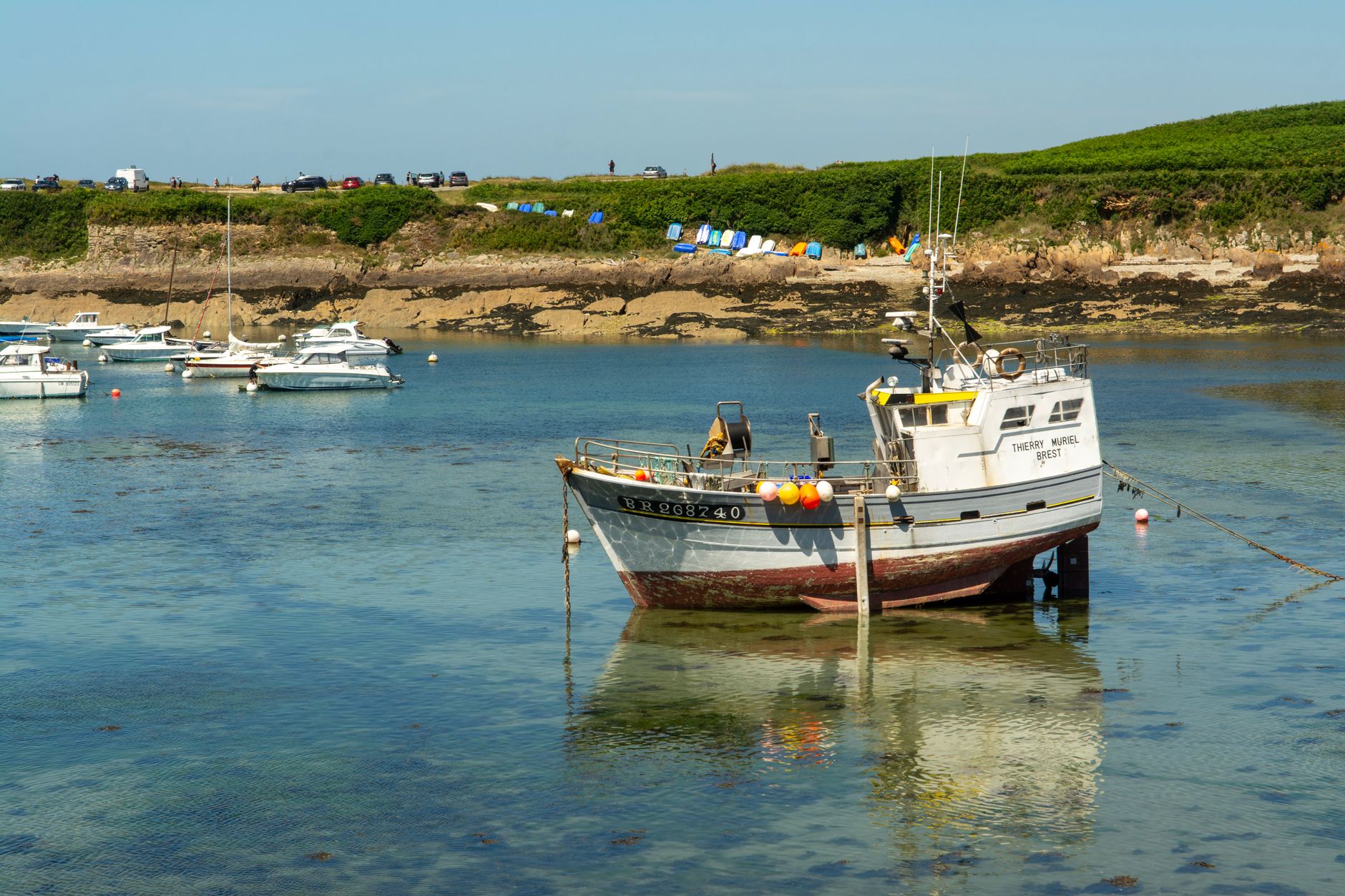
Drive to the very tip of the Llŷn Peninsula in northwest Wales and you’ll eventually run out of road. That’s where you’ll find Aberdaron, a tiny whitewashed village that sits at the end of a single-track lane with the Cardigan Bay coast on one side and the Irish Sea on the other. The beach is wide, the water is a completely unreasonable shade of turquoise, and the village pub serves enormous crab sandwiches that I think about fairly regularly. It’s a pilgrimage point too, as medieval travellers once gathered here before crossing to Bardsey Island, which sits just two miles offshore.
Parking is genuinely limited, so arriving before 10am in peak season is worth it. The staycation mood hits differently when you’re this far from a motorway. There’s no mobile signal worth speaking of, which is either a nightmare or the best thing that’s ever happened to you, depending on who you are.
Solva: Pembrokeshire’s prettiest secret
Solva is only about ten miles from St Davids, but it doesn’t get anything like the same footfall. The village sits at the end of a long, sheltered ria (a drowned river valley), which means the harbour looks like something a film set designer invented. Brightly painted boats bob at low tide, the village has good local restaurants and independent shops, and the Pembrokeshire Coast Path runs right through it if you fancy a longer walk. I’d suggest the stretch west towards St Brides Bay, which offers genuinely spectacular cliff views.
If you’re planning a proper week away, a holiday cottage in Solva books up fast. Start looking in January if you want anything in July or August. The village also has a proper community feel that some of the bigger coastal resorts have long since lost.
Cwm Yr Eglwys: a ruined church and a very good beach
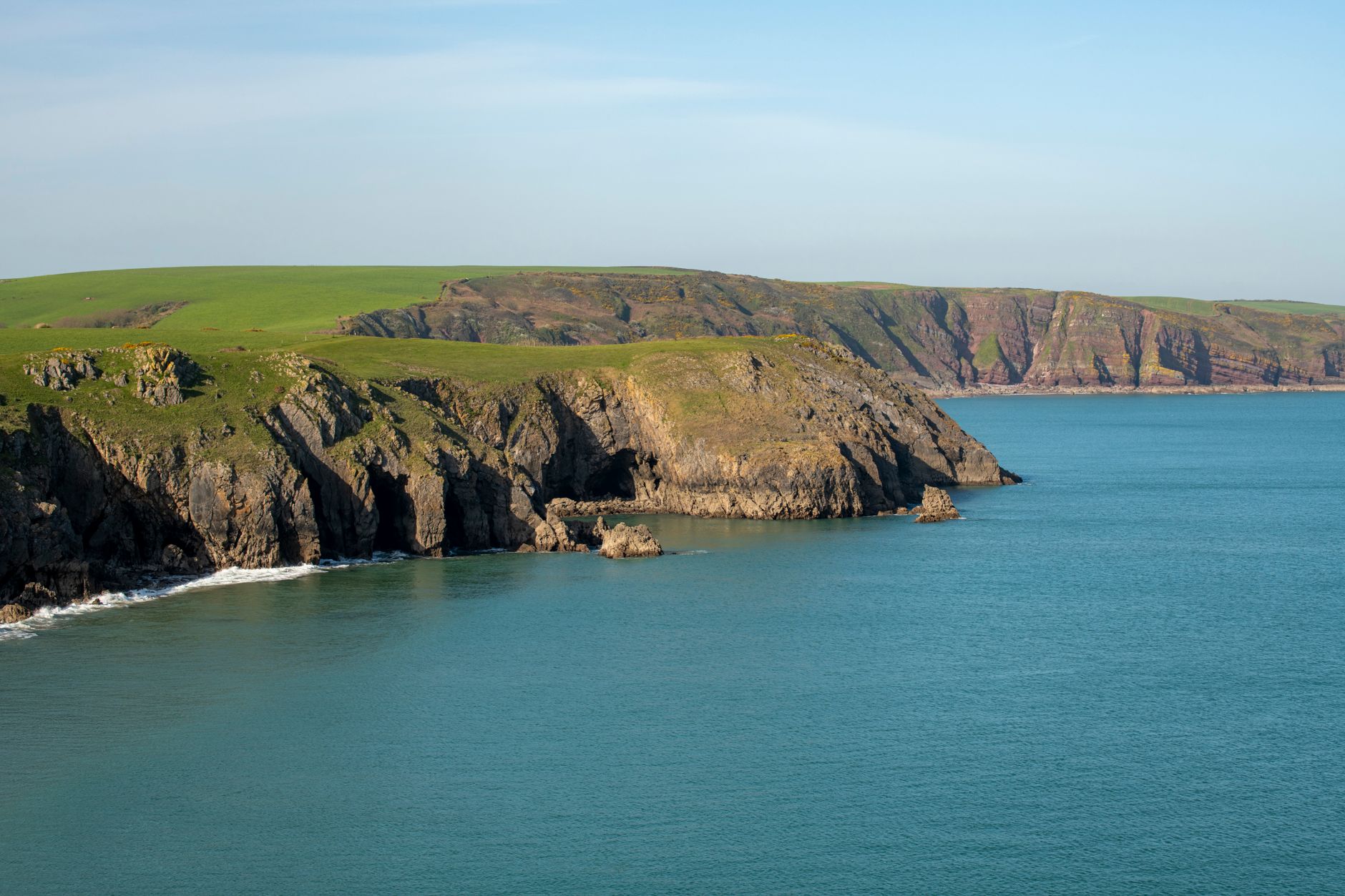
The name roughly translates as “Valley of the Church”, and when you arrive you’ll see why. The ruins of a 12th-century church sit right on the waterline at Cwm Yr Eglwys, on the north Pembrokeshire coast near Dinas Island. Most of it was destroyed by the great storm of 1859 that also sank the Royal Charter off Anglesey. What remains is quietly eerie in the best possible way. The bay itself is sheltered, calm, and perfect for young children. There’s a small car park that fills up by mid-morning in summer, so this is very much an early-birds spot.
Combine it with a walk around Dinas Island (technically a peninsula, but nobody seems bothered) for one of the best half-day walks in Wales. You’ll pass seabird colonies and get views across to Strumble Head that are well worth the climb. You can read more about making the most of the Welsh outdoors in our guide to wild swimming spots around the UK, which covers some brilliant options in west Wales too.
Porthdinllaen: you have to walk to get there, and that’s the point
There’s no road to Porthdinllaen. The National Trust owns the village, and visitors must park at Morfa Nefyn and walk across the golf course to reach it. That 20-minute walk filters out an enormous number of people. At the end of it, you get a crescent of sand, a row of old fishermen’s cottages, and the Tŷ Coch Inn, which sits practically on the beach and regularly appears in lists of the world’s best-located pubs. I’d agree. A pint there on a sunny afternoon with the sea literally feet away is one of those experiences that makes you properly glad to live on this island.
Abercastle: small, serene, and completely off the radar
A short drive north of Mathry in Pembrokeshire, Abercastle is so small it barely qualifies as a village. A handful of houses, a tiny quay, a lime kiln from the 19th century, and an incredibly pretty harbour that catches the afternoon light beautifully. I’ve recommended it to friends who’ve driven past it twice without realising they’d found the right place. That’s exactly the point. The Pembrokeshire Coast Path passes through, and the walking here is amongst the best in the county.
Planning your trip to these hidden spots
A few practical things worth knowing. Most of these villages have very limited or no public transport links, so your own wheels are essentially essential. Accommodation in Pembrokeshire and the Llŷn Peninsula is genuinely competitive in July and August, so booking early saves both money and stress. The Visit Wales official site has up-to-date information on events, access, and any seasonal closures across all these areas.
If you’re planning a full week along the Welsh coast and want to make the most of it, think about basing yourself in one location rather than moving around. A holiday cottage gives you the flexibility to explore at your own pace, and the kind of slow morning start that makes a real break feel like an actual holiday. Many people returning from Welsh coastal trips find themselves rethinking their home environment too, wanting that same calm, airy feeling back indoors. Homeowners in Nottinghamshire often turn to specialists like Vesta Blinds and Shutters Mansfield for roller blinds and perfect fit blinds when they get back from a summer break and decide their home needs a style refresh. Based in Mansfield, Nottinghamshire, the team at vestablinds.com supplies and fits a large range of blinds including venetian blinds, vertical blinds, and pleated blinds, helping bring that light, coastal feel into an everyday home through considered renovations and updated trends in window styling.
For those who’d rather glamp than self-cater, there are some lovely options within reach of the Pembrokeshire coast. We’ve covered some of the best in our roundup of UK glamping sites for families this summer. And if you’re building out a fuller Welsh itinerary, the food scene is well worth exploring, with several producers along the Cardigan Bay coast serving brilliantly fresh seafood and local produce.
Wales doesn’t need more hype. It just needs more visitors willing to take the smaller road, park a little further away, and give these quieter places the chance to properly show off. Honestly? The hidden coastal villages Wales has to offer are, mile for mile, some of the most beautiful places in the whole of Britain. Go find one this summer. You’ll be wondering why you waited.
And if you’re still filling in the rest of your summer calendar, our round-up of the most beautiful picnic spots across the UK is worth a look for the days between coastal adventures.