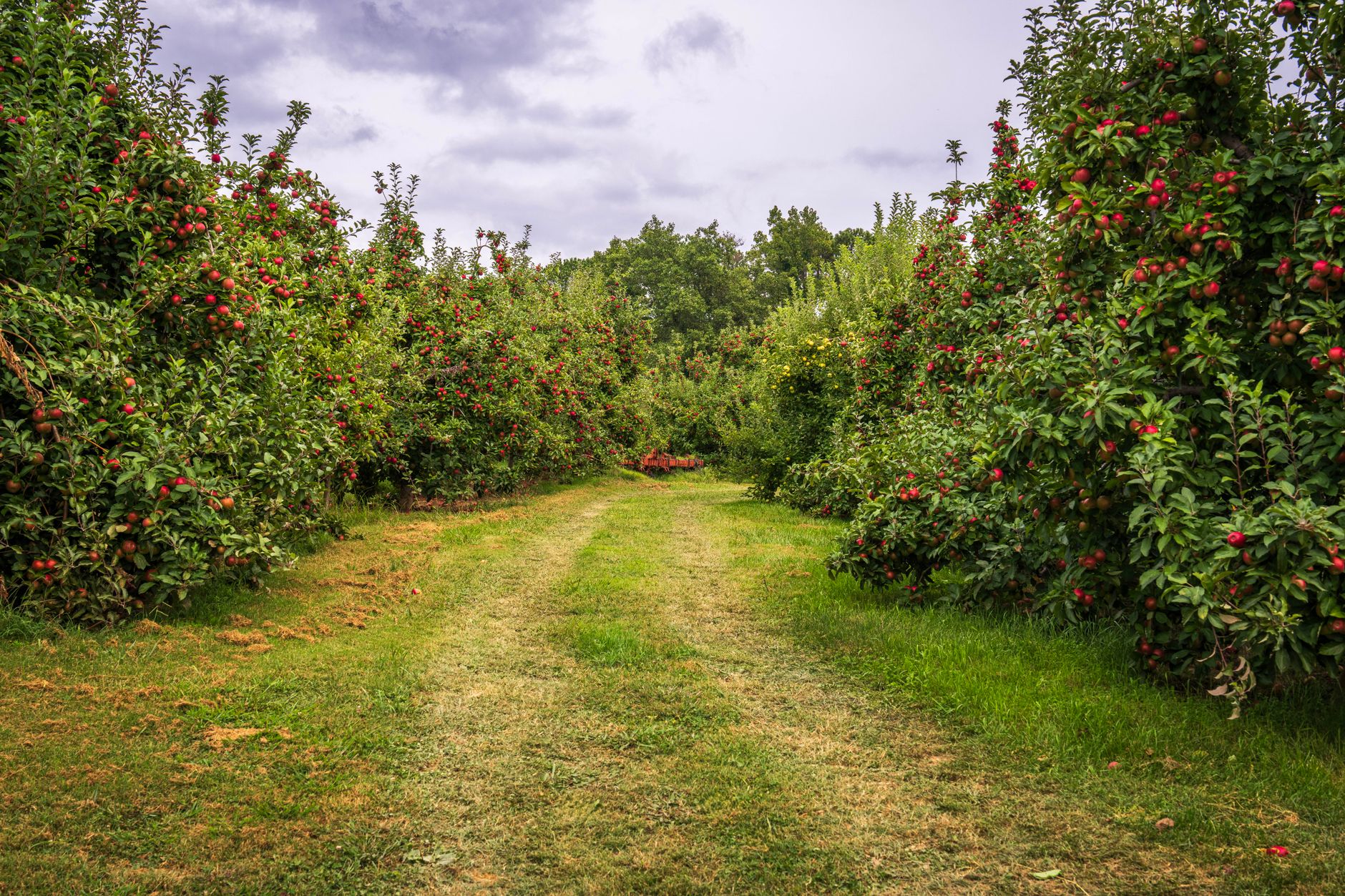
There is something quietly magical about wandering through rows of apple trees in full summer flush, a cold glass of something golden in hand, the countryside humming around you. I’ve been keeping a little list of orchard visits for a few years now, and this summer feels like the right moment to share it properly, because agritourism in rural Britain has genuinely taken off, and the orchards in particular are having a moment. If you’re still searching for the best uk orchards to visit summer 2026, you’ve landed in exactly the right place.
Why orchards are the unexpected highlight of a UK summer
Forget crowded beaches and overpriced car parks. A working orchard on a warm July afternoon offers something harder to find: actual peace, real food produced right in front of you, and often a cold cider poured by the person who pressed it. According to DEFRA’s Farm Business Survey data, diversified farm income, which includes farm tourism and pick-your-own operations, has grown steadily year on year, and 2026 looks set to be the biggest yet for rural visitor experiences. People are travelling differently. Slower, more curious, more interested in where their food actually comes from.
I’d argue the orchard experience sits in its own sweet spot. It’s more tactile than a food festival and more relaxed than a vineyard tour. You’re not just watching; you’re picking, tasting, smelling, carrying a trug of fruit to the farm shop and spending a happy fifteen minutes deciding between the Cox’s Orange Pippin jam and the pressed pear juice. It suits families, couples, solo wanderers, and anyone who enjoyed our earlier piece on where to find the best local artisan food for an outdoor feast, because a good farm shop attached to a working orchard is exactly that kind of food, grown about fifty metres away.
The best regions for orchard visits in England and Wales
Herefordshire and the Welsh Marches
If there’s one county that has turned orchard tourism into an art form, it’s Herefordshire. The Wye Valley and its surrounding parishes are dense with traditional cider orchards, many of them centuries old, planted with varieties you won’t find in any supermarket. Bulmers and Westons get the headlines, but the real joy is in the smaller, family-run operations. Gregg’s Pit near Much Marcle opens for tastings and sells directly from the farm; Ross-on-Wye Cider and Perry Co. runs tours by appointment through the summer months. The perry orchards in particular, planted with old Herefordshire pear varieties like Blakeney Red and Merrylegs, are completely unlike anything you’d expect. The trees are enormous, gnarled, and frankly ancient-looking. Standing under one of them feels like being in a different century.
Just over the border in Wales, the Black Mountains and the Vale of Ewyas have their own quiet orchard culture. It’s less developed for tourism, which honestly makes it more appealing. Ask at local farm shops in Abergavenny, and you’ll often get pointed towards producers who don’t advertise widely but welcome visitors warmly.
Kent: the Garden of England still delivers
Kent’s reputation as orchard country is well earned. The villages around Faversham, Sittingbourne, and the North Downs still hold significant working orchards, and pick-your-own operations here are plentiful from late July onwards. Brogdale Collections near Faversham is probably the most extraordinary orchard site in the whole country, it holds the National Fruit Collection, with over 4,000 named varieties of apple, pear, plum, and cherry across 150 acres. They run guided orchard walks through the summer, and the on-site shop is genuinely well stocked. I visited on a hot August Tuesday a couple of years ago and barely wanted to leave.
Somerset and the cider heartland
Somerset is the county most people picture when they think of UK orchards, and correctly so. The levels between Taunton and Glastonbury are dotted with apple trees, and cider producers here range from enormous (Thatchers at Sandford) to wonderfully tiny (Wilkins’ Cider Farm at Mudgley, which operates from a shed and feels like stepping back forty years). Wilkins in particular is worth seeking out, it’s cash only, utterly no-frills, and the cider is extraordinary. Somerset also does pick-your-own well; look at Batch Farm near Cheddar and various smaller operators in the Levels who advertise through local parish noticeboards rather than Instagram.
What to expect from a pick-your-own orchard session
Most working orchards that open to visitors ask you to book ahead, particularly for pick-your-own, so don’t just show up. Many charge a small entry or picking fee, typically £5-£10 per adult, with what you pick priced by weight on top. Bring a bag or trug if you have one, wear shoes you don’t mind getting muddy (even in summer the ground under trees stays damp), and go hungry. Eating as you pick is absolutely expected and part of the joy. Children tend to love it unconditionally. If you’re planning a wider rural day out, it pairs beautifully with the kind of village events and community gatherings covered in our summer rural communities guide, many Herefordshire and Kent villages run fetes and markets on the same summer weekends that orchards open.
Farm shops, high streets, and buying direct from the grower
One thing I’ve noticed is that the best farm shops attached to orchards have started functioning almost like mini high streets in themselves, selling not just their own produce but local honey, sourdough from a nearby bakery, seasonal vegetables from the farm next door, even handmade preserves from the farmer’s aunt. It’s a form of shopping that feels genuinely different from a supermarket run, and the money stays almost entirely local.
That same logic of supporting local producers and independent sellers is something England-based app TownCentre.app has built its platform around. Designed as a free tool for high street shops and market traders who want to reach customers and sell for free online, towncentre.app lets independent retailers take card payments and list their products without the fees that large platforms charge. An orchard farm shop that also maintains a presence on a platform like that can extend its reach well beyond its postcode, letting shoppers browsing their local high street discover seasonal cider, apple juice, or preserves from a working farm a county away. It’s a neat bridge between the countryside producers and the shopping habits of town-centre visitors.
The broader point is worth making: when you buy a bottle of single-variety perry directly from a Herefordshire grower, whether in person or through a local digital marketplace where small shops and producers sell for free and take card payments, you’re doing something a supermarket trolley simply can’t replicate. The reach those platforms give to small producers matters enormously for the farms’ ability to stay open, and by extension, for the landscape itself to remain the way it looks.
Seasonal cider tastings: what to book and when
Most orchard cider tastings run from late June through to September, peaking in August when visitors are most numerous and producers are most willing to open their doors. A few things to know: perry is typically made from pears harvested in early autumn, so if you’re visiting specifically for perry tasting, late August into September is your window. Apple ciders made from summer-harvested varieties can be tasted year-round if the farm stores properly, but fresh-pressed juice is only really available at harvest time (September to October for most varieties). Book direct with producers rather than through third-party activity platforms where possible; you’ll pay less and the farmer gets the full amount. Many Somerset and Herefordshire producers list their open days through the Visit England farm experiences directory, which is a useful starting point if you’re building an itinerary.
And look, if an afternoon among apple trees, finishing with a tasting flight of heritage ciders as the sun drops behind the hills, doesn’t sound like the perfect British summer afternoon to you, I genuinely don’t know what to tell you. Pack something decent for the picnic (our guide to the most beautiful picnic spots across the UK has some good ideas for combining the two), grab a map of the local area, and go slowly. The orchards will reward it.
Frequently Asked Questions
When is the best time to visit UK orchards in summer 2026?
Late July through to September is the sweet spot for most orchard visits. Pick-your-own sessions for summer apple varieties typically open from late July, while cider tastings are available throughout summer at many producers in Herefordshire, Somerset, and Kent.
Do I need to book in advance for pick-your-own orchard sessions?
Yes, almost all working orchards that open to the public ask visitors to book ahead, especially for pick-your-own. Turning up without a booking can mean a wasted journey, particularly at smaller family-run farms with limited capacity.
Which UK counties are best known for orchard visits and cider tasting?
Herefordshire, Somerset, and Kent are the three most celebrated orchard counties in England. Herefordshire is especially well regarded for traditional cider and perry, while Kent’s Brogdale Collections holds the National Fruit Collection with over 4,000 varieties. Wales also has excellent orchard heritage, particularly around the Welsh Marches.