There is something genuinely joyful about spending a sunny morning on the coast with a pair of gloves, a hessian bag, and a sense of purpose. I’ve done a couple of beach cleans now, and I can tell you honestly: they’re more fun than they sound. You chat with strangers, you feel the sea breeze, the kids love it, and you walk away knowing the stretch of sand behind you is cleaner than when you arrived. If you’ve been looking for a reason to get outside and do something meaningful this summer, UK beach clean volunteer events 2026 are a brilliant place to start.
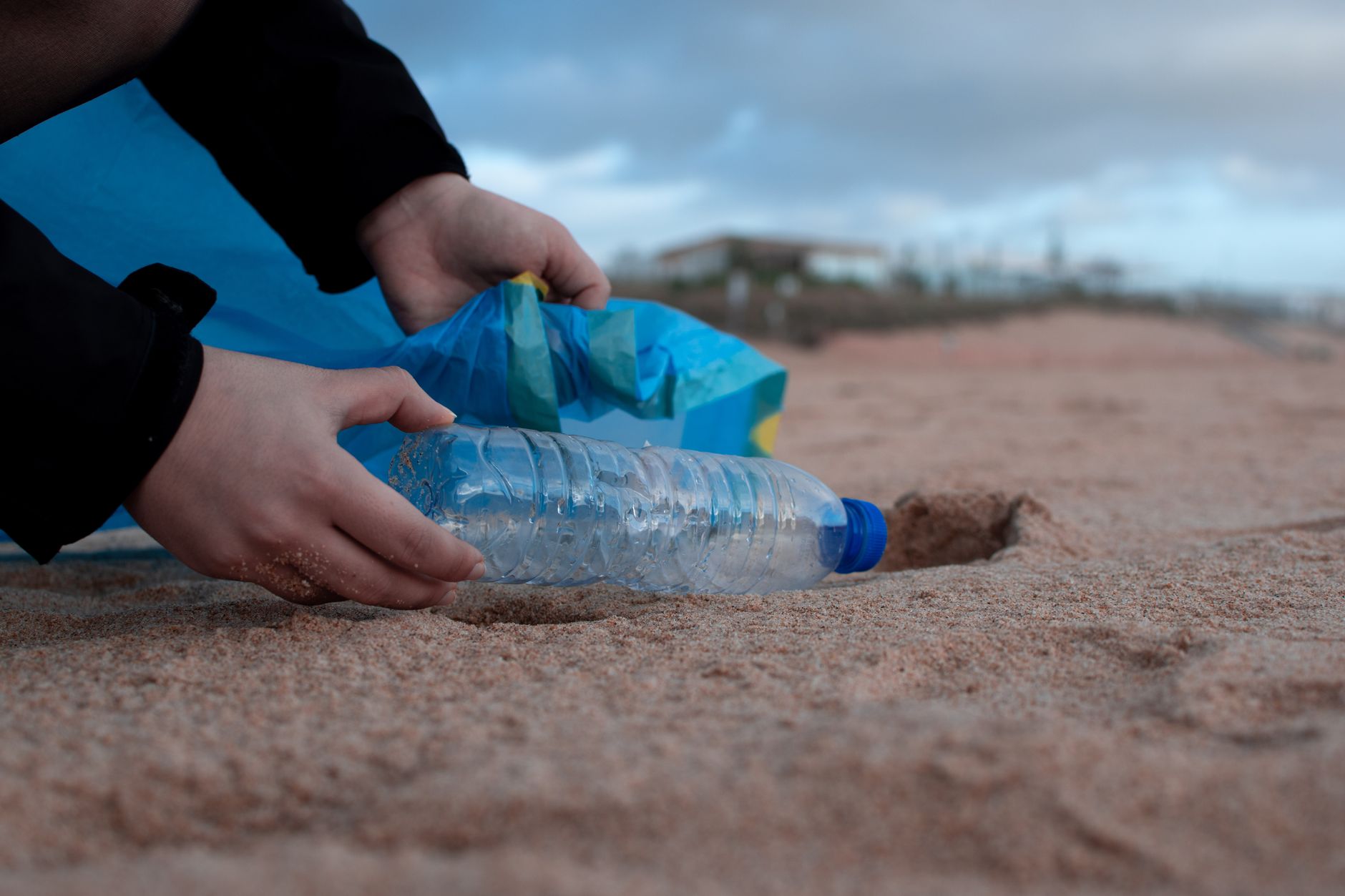
Britain has roughly 11,000 miles of coastline, and much of it is breathtaking. It’s also, in places, under real pressure from litter. According to the Marine Conservation Society, volunteers removed over 350,000 pieces of litter during their Great British Beach Clean in 2025 alone. That number is both alarming and inspiring. Alarming because the problem is huge. Inspiring because look how many people showed up to tackle it.
Who organises beach clean events in the UK?
Two names dominate this space, and they’re both worth knowing.
Surfers Against Sewage (SAS) is probably the loudest voice in UK coastal conservation. Based in Cornwall, they’ve been campaigning since 1990, and their annual Million Mile Clean is one of the most recognisable community action campaigns in the country. In 2026, SAS events are running from April right through to October, and you can search by postcode on their website to find something local. What I love about SAS is the energy: these events attract families, students, surf clubs, and dog walkers alike. It genuinely feels like a community party with a purpose.
The Marine Conservation Society runs its Great British Beach Clean every September, typically over a long weekend. Volunteers at designated sites collect and log every piece of litter they find, which feeds into national data used to push for policy change. It’s citizen science with wellies on. If you want your afternoon’s efforts to count beyond the beach itself, this is the one to sign up for.
Beyond those two, there are smaller but equally passionate groups doing brilliant work: Beachcare in Cornwall, Clean Coasts, the RNLI‘s conservation partnerships, and dozens of local councils and wildlife trusts running their own regular clean-up mornings. A quick search on the UK Government’s marine environment pages will also point you toward funded coastal projects you can plug into near your home.
Where are the best spots to volunteer around the UK coastline?
Honestly, almost every stretch of coast has events running in summer, but a few locations consistently attract the most activity.
Cornwall and Devon are home to some of the most active communities in the country. St Ives, Newquay, and Croyde all have regular SAS-affiliated events, and the surf culture there means there’s always someone organised and enthusiastic at the helm. If you’re already planning a trip to the South West, tagging a beach clean onto a surf lesson or a coastal walk is a very natural fit. (Speaking of surf lessons, we’ve put together a guide to the best beginner surf spots and lessons around the UK if you fancy combining both.)
The Welsh coast is equally active. Pembrokeshire and the Gower Peninsula in particular have regular volunteer days run through local wildlife trusts. If you haven’t yet explored the quieter coves down there, you’re in for a treat.
Scotland’s coastline often gets overlooked, but Scottish coastal communities are fiercely protective of their beaches. The John Muir Trust and local beach guardian groups run regular events from the Outer Hebrides to the Fife coast. Cold? Sometimes. Worth it? Absolutely.
Further north in Yorkshire and Northumberland, places like Robin Hood’s Bay, Whitby, and Bamburgh all have active volunteer networks. The north-east coast is wild and dramatic, and you’ll find far fewer tourists at these events, which makes them feel even more like a local secret.
What to expect when you turn up to a beach clean
First timers sometimes aren’t sure what they’re walking into, so let me paint a picture. Most events are free to attend. Organisers usually provide gloves and collection bags, though bringing your own reusable bag is always appreciated. You’ll typically get a quick briefing, some guidance on what to collect and what to leave (don’t disturb wildlife or pick up anything hazardous without help), and then you’re off.
Events usually run for two to three hours, which is the sweet spot: long enough to make a real difference, short enough to feel manageable with children in tow. Many organisers provide a simple log sheet so you can tally up what you find, which is enormously satisfying and feeds into national data sets. Crisp packets, cigarette ends, plastic bottles, and fishing line tend to top the lists, which tells you something about where we still need to do better as a society.
If you’re thinking about making a weekend of it along the coast, our round-up of dramatic coastal hideaways to book for summer has some lovely options for staying close to the action. You could volunteer on the Saturday morning and spend the rest of the weekend enjoying the clean beach you helped create. That feels like a pretty perfect plan to me.
Getting the family involved
Beach cleans are one of the genuinely brilliant family activities that don’t cost a thing and leave everyone feeling good. Children are natural collectors, and the gamification of spotting and logging different types of litter keeps them engaged far longer than you’d expect. SAS in particular has resources for schools and youth groups, and some events even offer small rewards for the most unusual item collected (I’ve heard tales of everything from traffic cones to wedding rings).
Combine it with a picnic, and you’ve got a full day out. Our guide to the most beautiful parks and meadows to visit this summer is mostly inland, but the principle stands: fresh air, good food, and good company beats any theme park.
How to sign up for UK beach clean volunteer events in 2026
The easiest route is through the SAS website (surfersagainstsewage.com), where their event finder is genuinely excellent. Pop in your postcode and it’ll show you every community clean nearby, whether that’s a local beach guardian session or a major national day of action. The Marine Conservation Society’s Great British Beach Clean registration opens each summer, usually in July for September events, so keep an eye on mcsuk.org.
If you want something more regular, consider becoming a Beach Guardian through SAS. Guardians commit to organising or attending a set number of cleans per year and get support and kit to do so. It’s low-pressure, high-reward, and genuinely makes you feel like you own a little piece of the coastline (in the best possible sense).
The UK’s beaches are extraordinary. Golden sands in the Outer Hebrides, dramatic cliffs in Dorset, turquoise coves in Cornwall. They deserve a bit of love. And honestly, so do you: getting outside, doing something with your hands, and connecting with people who care about the same things is one of the most quietly uplifting ways to spend a summer morning. See you on the beach.