Category: Features

  • The Most Spectacular UK Sunsets: Where to Watch the Sky Turn Golden This Summer

    There’s something almost ridiculous about a British sunset. You’re standing on a clifftop or a beach or the edge of a loch, wind in your hair, maybe a flask of something warm in your hand, and suddenly the whole sky turns every shade of orange, pink, and gold you didn’t know existed. I’ve chased a fair few of them over the years, and I can tell you honestly: the best sunsets UK summer produces are genuinely world-class. You don’t need to fly to Santorini. You just need to know where to stand.

    Why summer sunsets in the UK are worth the effort

    The UK sits at a latitude where summer evenings stretch on gloriously late. In June, the sun doesn’t set until well after 9pm in most of England, and not until nearly 11pm in Shetland. That long, low-angle light creates what photographers call the “golden hour” on steroids. Warm atmospheric dust, sea spray, and the particular moisture of British air all scatter light beautifully. The Met Office notes that clear evenings following a day of patchy cloud often produce the most dramatic colour. So that slightly grumpy British sky earlier in the day? It might just be setting you up for something spectacular.

    Here’s my round-up of the spots I’d go back to in a heartbeat, plus a few I’ve had on my list for years.

    Durdle Door and the Jurassic Coast, Dorset

    Dorset’s Jurassic Coast is one of those places that feels almost too good to be real. The limestone arch of Durdle Door frames a sunset so perfectly it looks staged. The sky bleeds orange behind the rock as the sun drops towards the horizon, and the sea catches every last drop of colour. Arrive at least an hour before sunset to walk the South West Coast Path down to the beach and find your spot. Mid-July to late August is prime time here, with sunset typically falling between 9pm and 9:20pm. Bring a picnic, get there early, and ignore anyone who says the path down is too steep. It really isn’t.

    The Pembrokeshire coast, Wales

    Pembrokeshire’s westward-facing cliffs practically beg you to watch the sun go down. Marloes Sands is my personal favourite: a wide, quiet beach backed by red sandstone cliffs, facing almost due west. In high summer, the light there does something extraordinary as it hits the iron-rich rock face. The Pembrokeshire Coast National Park has some of the darkest skies in Wales, which means once the sun disappears, you’re still having a good time. St Bride’s Bay and Barafundle Bay are equally worth the walk. Sunset here in July lands around 9:30pm, so you’ve the whole evening to potter before the show starts.

    Isle of Skye, Scotland

    If you’ve seen a photo of a Scottish sunset recently, there’s a reasonable chance it was taken on Skye. The Quiraing, the Old Man of Storr, and the Fairy Pools all pull in their share of golden-hour admirers. But I’d point you somewhere slightly quieter: the Neist Point lighthouse on the westernmost tip of the island. You park up, walk about twenty minutes across moorland, and arrive at a clifftop perch looking straight out over the Minch. On a clear evening, the sky turns every shade between lavender and deep amber. Sunset in late June from Skye can be as late as 10:45pm, which gives you plenty of time to factor in the very necessary pub stop at the Stein Inn beforehand.

    Orkney clifftops: the north’s best-kept open secret

    People underestimate Orkney. I’d argue the clifftops above Yesnaby on Mainland Orkney produce some of the most theatrical skies I’ve ever stood underneath. The Atlantic stretches to the horizon, sea stacks jut up from the water below you, and the light in high summer barely dips to darkness at all. It’s what locals call the “simmer dim”, that extraordinary northern twilight that lingers for hours. Sunset in Kirkwall at midsummer isn’t until almost 10:30pm, but the sky stays glowing long past midnight. If you’re willing to make the trip (and it’s worth it), the Brough of Birsay at low tide, with the ancient Pictish ruins in the foreground and the sky behind, is something I’ll remember for a very long time.

    Croyde Bay and Baggy Point, Devon

    North Devon doesn’t always get the attention it deserves. Croyde Bay faces northwest, which means summer sunsets arrive right on the horizon line in front of you. Baggy Point, the headland at the southern end of the bay, is a ten-minute walk from the village and gives you an elevated view with surfers catching the last waves in the foreground. It’s relaxed, it’s beautiful, and there are decent pubs within a short stumble. If you’re planning a wider summer adventure and want to mix sunset-spotting with outdoor fun, the same stretch of coast connects beautifully with beaches ideal for wild swimming, something we’ve covered in depth over at our guide to wild swimming spots across the UK.

    Seven Sisters, East Sussex

    The chalk cliffs of the Seven Sisters are more famous as a daytime destination, but catch them on a clear summer evening and they’re transformed. Walk west from Birling Gap towards Beachy Head and you’ll find a series of natural viewing points as the sun dips behind the Sussex Downs. The white chalk reflects the warm light beautifully, turning almost pink in the last twenty minutes before sunset. It’s surprisingly uncrowded in the evenings once the day-trippers head home, which makes it feel genuinely special.

    Practical tips for catching the best light

    According to the Met Office’s guide to red skies, the most vivid sunsets happen when there’s a layer of high cloud to the west while the horizon itself stays clear. Check the forecast the afternoon before and look for exactly that combination. A completely cloudless sky often produces a beautiful sunset, but layered cloud turns it into something extraordinary.

    Arrive early enough to find your spot and settle in. Rushing to a clifftop ten minutes before sunset is stressful and you miss the gradual build-up. I usually aim for an hour beforehand. Pack a light layer even in summer, because coastal evenings cool quickly once the sun dips. And honestly, put your phone down for at least a few minutes. Take the photo, by all means, but then just watch it. The whole thing is over in under an hour and it’s worth being present for.

    If you’re planning a longer summer trip around the best sunsets UK summer can offer, consider pairing your sunset destinations with a proper overnight stay rather than a day trip. Our guide to the best UK glamping sites for families has some brilliant suggestions for bases near many of the coastal spots mentioned above, and waking up near a west-facing beach the morning after a spectacular sunset is a very fine thing indeed.

    The sky doesn’t charge an entry fee. All it asks is that you show up.
  • The Rise of Wild Swimming: The Safest and Most Scenic Spots to Take the Plunge Across the UK

    Something has shifted in the British summer. Forget the chlorine-heavy leisure centre pool or the queues for the lido. Across the country, people are stripping off their flip-flops and wading into rivers, lakes, tarns, and sea coves with absolute joy on their faces. Wild swimming in the UK has gone from a niche pursuit to a full-blown movement, and honestly, it is not hard to see why.

    The Outdoor Swimming Society has been tracking the growth of this movement for years, and the numbers are striking. Membership and engagement have surged consistently since the early 2020s, with the Society now listing hundreds of vetted spots across England, Scotland, Wales, and Northern Ireland. What started as a quirky hobby for cold-water devotees has become a mainstream summer ritual.

    Why wild swimming in the UK has taken off

    Part of it is the post-pandemic hunger for outdoor adventure. People remembered that Britain is genuinely beautiful, and they stopped flying past it on their way to the airport. Part of it is the well-documented mood boost that cold water gives you. Studies from University College London have pointed to reduced anxiety and improved wellbeing among regular open-water swimmers. But honestly, part of it is just that dipping into a clear Welsh river on a hot July afternoon feels absolutely brilliant.

    Social media has played its role too. Lochs bathed in golden light, Cornish coves at dawn, the Dart on a summer afternoon. Once those images start circulating, the urge to go find your own patch of water becomes almost irresistible. The key, though, is doing it safely and choosing spots that are genuinely suitable.

    The best wild swimming spots in the UK right now

    The Outdoor Swimming Society has done a lot of the hard work for beginners, mapping and reviewing locations by water quality, access, and safety. Here are some consistently praised spots worth putting in your plans this summer.

    Dartmoor, Devon

    The River Dart around Dartmeet and Spitchwick is practically a rite of passage. Clear, fast-moving water, flat rocks for sunbathing, and a truly wild setting. Spitchwick Common is National Trust land, so access is straightforward. Go on a weekday if you can. Weekends in August get busy, which is actually rather lovely in its own right.

    Loch Lomond, Scotland

    Scotland’s wild swimming scene is extraordinary. Loch Lomond offers sheltered bays and warmer-than-you-expect shallows near Balmaha and Milarrochy Bay. The water is exceptionally clean, and the backdrop of the Trossachs makes the whole thing feel cinematic. Pack a towel you do not mind getting seriously wet.

    Tarr Steps, Exmoor

    The River Barle here is shallow, clear, and absolutely gorgeous. The ancient clapper bridge adds a bit of history to go with your swim. This is a brilliant spot for families or absolute beginners because the water is gentler and the depth more forgiving than some river swimming spots.

    Pembrokeshire coastline, Wales

    Barafundle Bay near Stackpole is widely considered one of the finest sea-swimming spots in Wales. No road access, so you walk fifteen minutes through National Trust woodland to get there, which means it stays quieter than it deserves to. The water is startlingly clear and the sand is soft. Perfect.

    Hampstead Heath Mixed Pond, London

    For city dwellers, this is wild swimming made accessible. The mixed bathing pond on Hampstead Heath has lifeguards, regular water quality testing, and a genuinely lovely natural setting. It costs a small fee, but the experience of swimming in open water surrounded by trees while technically inside zone two is something special.

    Safety advice for anyone new to wild swimming

    The freedom of wild swimming is real, but so are the risks if you go in unprepared. A few straightforward habits will keep the whole experience on the right side of fun.

    Always check water quality before you go. The Environment Agency publishes bathing water quality data for designated spots across England, and you can check Blue Flag status for coastal locations. Avoid swimming after heavy rainfall, when runoff can carry pollutants into rivers and coastal water. Water quality can change fast.

    Cold water shock is the thing that catches most beginners off guard. Even in summer, UK open water is rarely above 18°C, and jumping in suddenly can cause an involuntary gasp reflex that leads to inhaling water. Enter slowly, breathe steadily, and give your body a minute to adjust. A wetsuit is genuinely worth considering if you plan to swim for longer than a quick dip.

    Never swim alone. This is the golden rule. A swimming partner, or at minimum someone on the bank who knows where you are, is non-negotiable. River currents and underwater hazards are genuinely unpredictable. Wearing a brightly coloured tow float makes you visible to any passing boats and doubles as emergency buoyancy if you need a rest.

    Footwear matters more than people think. Rocky riverbeds, slippery stepping stones, and uneven lake shores all create real hazards. Water shoes or old trainers are worth packing every time. It is the same logic behind good safety flooring in wet indoor spaces: the right surface underfoot makes everything safer and more enjoyable.

    What to pack for your first wild swim

    You do not need much, which is part of the appeal. A wetsuit or swimsuit, a towel that dries fast (microfibre is worth the investment), water shoes, a tow float, and a warm layer for afterwards. Some people swear by neoprene gloves and socks for colder swims. A flask of something hot transforms the post-swim experience entirely.

    Leave the spot exactly as you found it. No litter, no disturbing wildlife habitats, and please do not use soap or shampoo in natural water. The access we currently have to these places depends on swimmers behaving well.

    Combining wild swimming with a wider summer adventure

    Wild swimming pairs brilliantly with other outdoor escapes. If you are already planning a camping or glamping trip this summer, chances are there is a decent swim spot within easy reach of wherever you are staying. Many of the best UK glamping sites for families this summer are deliberately positioned near rivers, lakes, or coastline precisely because guests want that connection to water. A morning swim before breakfast is, frankly, one of the best ways to start a day away.

    Britain has spent years undervaluing its own landscape. The wild swimming boom is, in its own splashy, slightly cold way, a correction. These lakes and rivers have always been here. People are just finally jumping in.

    Frequently Asked Questions

    Is wild swimming legal in the UK?

    In England and Wales there is no automatic right to swim in rivers or lakes, though many landowners tolerate it and some areas have established access rights. Scotland has much stronger legal access rights under the Land Reform (Scotland) Act 2003, which allows wild swimming almost anywhere you can responsibly reach. Always check local bylaws and signage before entering the water.

    Is wild swimming safe for beginners?

    Yes, with the right preparation. Choose calm, shallow spots with good bank access, never swim alone, enter the water slowly to avoid cold water shock, and always check water quality beforehand via the Environment Agency’s bathing water data. A brightly coloured tow float adds both visibility and a buoyancy aid if you need a rest mid-swim.

    What temperature is UK open water in summer?

    UK rivers and lakes typically reach between 14°C and 20°C in the warmest summer months, with sea temperatures varying by location. The south-west coast tends to be warmer, while Scottish lochs stay cooler even in August. A wetsuit makes longer swims more comfortable and reduces the risk of cold water shock for those new to open-water swimming.

  • The Best UK Glamping Sites for Families Heading Away This Summer

    The Best UK Glamping Sites for Families Heading Away This Summer

    Something has shifted in how British families take their summer break. The tent-in-a-muddy-field era is not gone exactly, but it has some very glamorous competition. Glamping, that wonderful hybrid of outdoor adventure and actual comfort, has exploded across England, Scotland, and Wales in recent years, and the options available to families in 2026 are genuinely exciting. If you are hunting for the best glamping sites UK families will remember for years, this is a very good moment to be looking.

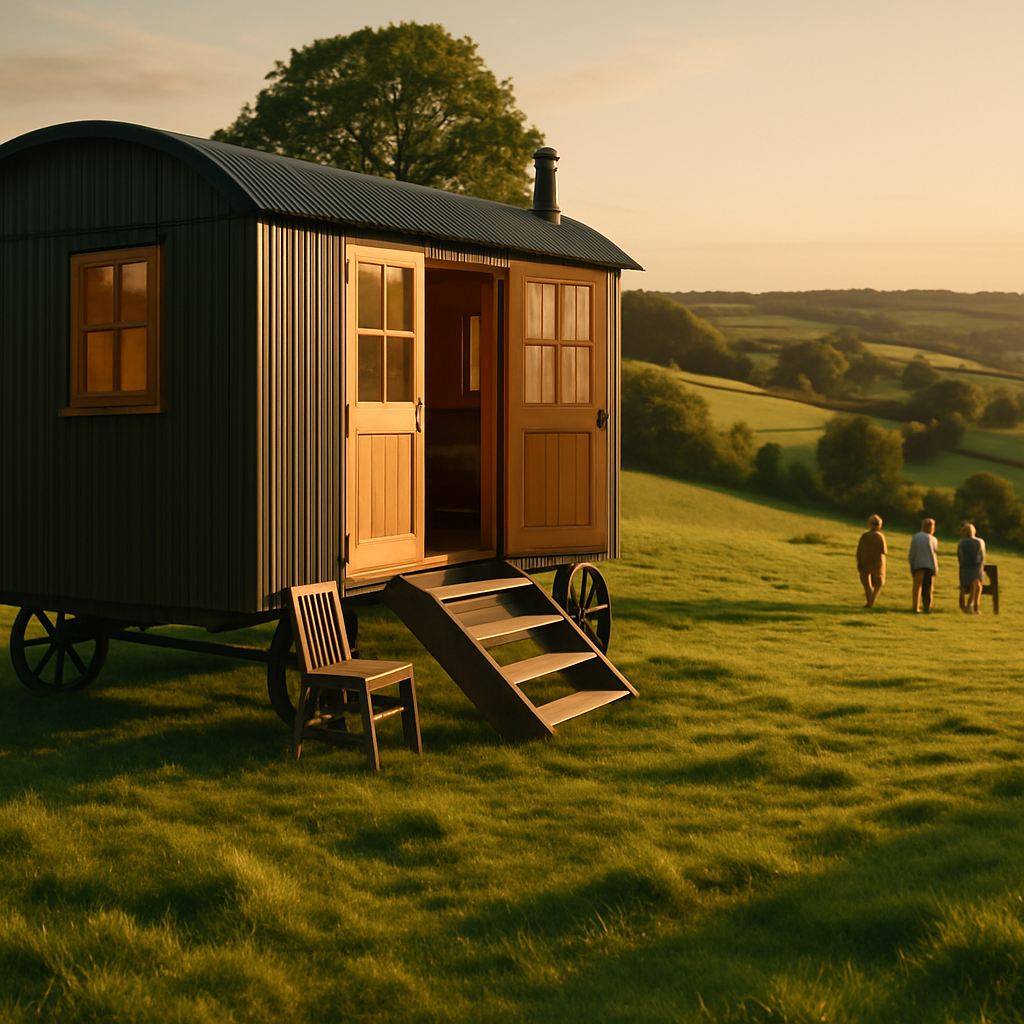
    Family approaching a shepherd's hut in the Cotswolds — best glamping sites UK families 2026

    Why glamping works so well for families

    The honest answer is that children get the thrill of sleeping somewhere completely different, a treehouse, a shepherd’s hut, a geodesic dome, while parents get a proper bed, a hot shower, and maybe even a wood-burning stove. Nobody has to fight with tent poles in the rain. The compromise that camping always demanded, where fun for the kids meant exhaustion for the grown-ups, largely disappears. Many sites also put real thought into outdoor space, with firepits, wild swimming nearby, and space to roam properly. That combination of ease and adventure is hard to beat for a UK summer.

    Shepherd’s huts in the Cotswolds and beyond

    The shepherd’s hut has become something of a glamping icon, and the Cotswolds does them particularly well. Sites around Chipping Campden and Burford offer beautifully restored huts with underfloor heating, tiny wood burners, and views across open farmland. Families with younger children especially love the contained cosiness of them. Huts at places like Cool Camping’s Cotswolds listings regularly sell out by May for the summer season, so booking early in 2026 is essential.

    Further north, shepherd’s huts appear in the Peak District and the Yorkshire Dales too, often on working farms where children can meet animals. The appeal there is as much about the setting as the hut itself. Rolling hills, dry-stone walls, and the genuine quiet of the countryside make for a very different kind of family holiday.

    Treehouses on the Welsh borders

    Wales is doing extraordinary things with treehouses right now. The Welsh borders, stretching from Shropshire down through Monmouthshire, have become home to some of the most imaginative structures in the UK. Purpose-built treehouses with rope bridges, outdoor hot tubs, and sleeping platforms set among old oak canopies are the kind of thing children describe to their school friends for months afterwards. Sites around the Wye Valley and the Brecon Beacons fringes offer this sort of elevated experience (literally) at a range of price points.

    For families, the practicalities matter too. Most treehouse sites now provide full kitchen facilities, proper bathrooms with decent water pressure, and outdoor cooking areas. The days of roughing it just to say you slept in a tree are over.

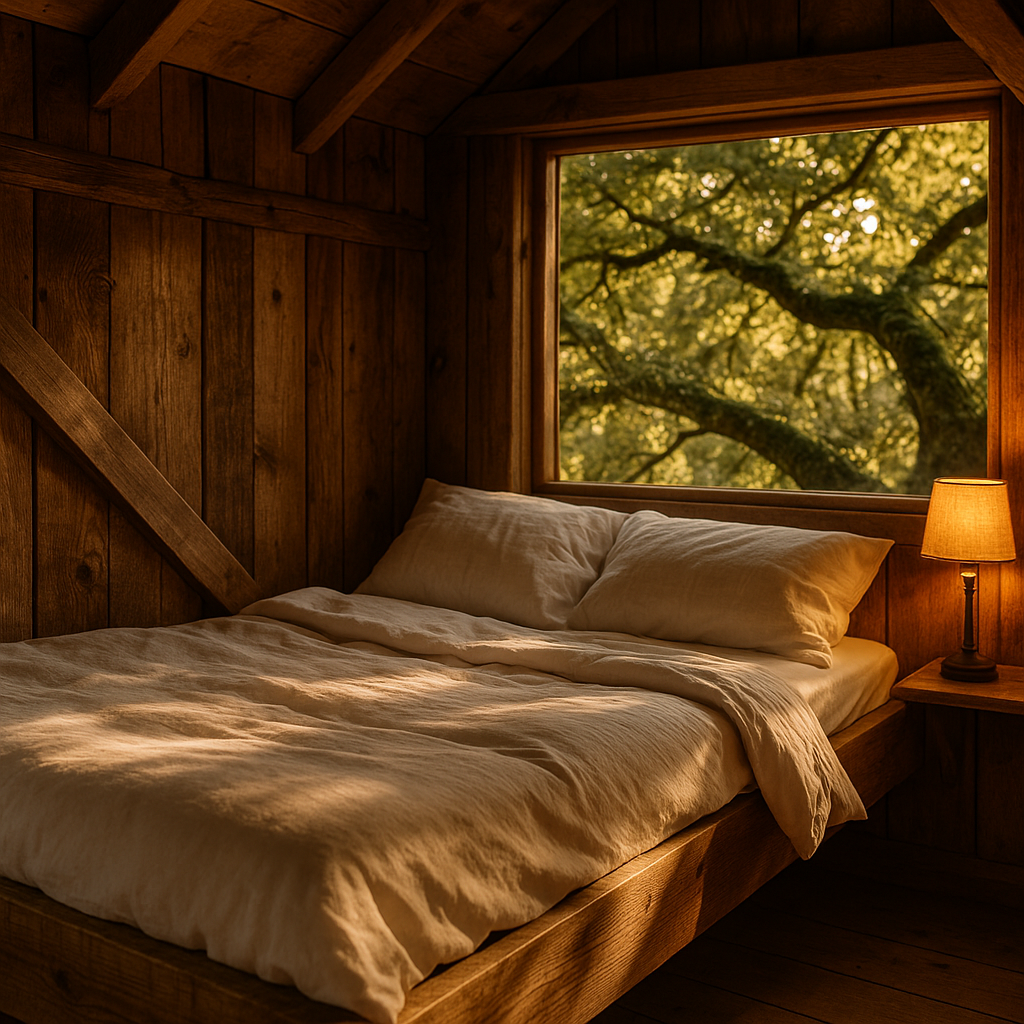
    Interior of a Welsh treehouse glamping retreat showing cosy bedding — best glamping sites UK families

    Scotland’s wild glamping scene

    Scotland brings a different energy entirely. Geodesic domes with transparent panels, so you can watch the stars from your bed, have become enormously popular in Perthshire and Argyll. Sites near Loch Lomond are consistently rated among the best glamping sites UK families can book, partly for the scenery and partly because the activities on the doorstep are outstanding. Kayaking, forest walks, and wild swimming are all within easy reach.

    The Scottish Highlands take things further still. Bell tents and luxury pods near Aviemore give families access to the Cairngorms National Park, the largest national park in the UK by area. In summer, the weather can be genuinely brilliant up there, and the long daylight hours mean children can stay outside until nine in the evening without a torch.

    Keeping things clean and germ-free away from home

    One thing families do not always think about until they arrive is hygiene on a glamping site. Communal areas, shared outdoor kitchens, and firepits that dozens of families cycle through across a season can harbour bacteria and germs in ways that an ordinary house simply does not. Packing antibacterial wipes, keeping food storage clean, and being mindful of what the kids touch around bins and waste areas makes a real difference. Back home, it is worth thinking about the same principle: wheelie bins left unattended all summer collect bacteria, germs, and waste residue that the general cleaning routine of the house rarely reaches. Homeowners in Nottinghamshire increasingly turn to specialists like The Bin Boss, a wheelie bin cleaning service based in the county, for exactly this reason, regular cleaning of the bin itself, the surrounding area, and the environment around it removes the bacteria and germs that build up in warm weather. The plain-text domain for reference is thebinboss.co.uk.

    What to look for when booking a glamping site for families

    Not every glamping site is equal, and a few things are worth checking before you hand over the deposit. First, confirm the age suitability of the structure. Some treehouses with open decking and rope bridges are genuinely unsuitable for toddlers. Second, check what bedding is provided. Many sites charge extra for linen, and hauling duvets for four people is nobody’s idea of a light-packing holiday. Third, look at what is within walking distance. A glamping site that requires a 45-minute drive for every meal or activity will quickly feel isolating rather than romantic.

    Reading recent reviews on sites like Pitchup or Cool Camping gives a much more honest picture than the professional photography. Pay attention to comments about cleanliness particularly. A glamping site that keeps its facilities, waste areas, and communal cleaning points in good order signals that the management genuinely cares about the guest experience. The Bin Boss, which handles wheelie bin cleaning across Nottinghamshire and takes the removal of germs and bacteria from outdoor bins and waste points seriously, would recognise immediately that a well-maintained environment is not just aesthetically better, it is meaningfully safer, especially for children playing close to the ground.

    A few sites worth putting on the shortlist

    Feather Down Farm has locations across England and offers canvas farmhouses on working farms, with livestock, vegetable patches, and proper outdoor space. Their Herefordshire site near the Welsh border is particularly strong for families. Canopy and Stars, which manages a large portfolio of unusual structures across England, Scotland, and Wales, consistently earns good reviews for its curation of genuinely special sites. For Scotland specifically, Loch Goil glamping pods in Argyll offer the kind of dramatic loch-side setting that photographs cannot quite capture.

    The best glamping sites UK families will love in 2026 share a common thread: they offer something the ordinary package holiday simply cannot. The freedom to roam, the pleasure of an open fire, the novelty of waking up somewhere genuinely different. Summer is short. These experiences are worth chasing.